
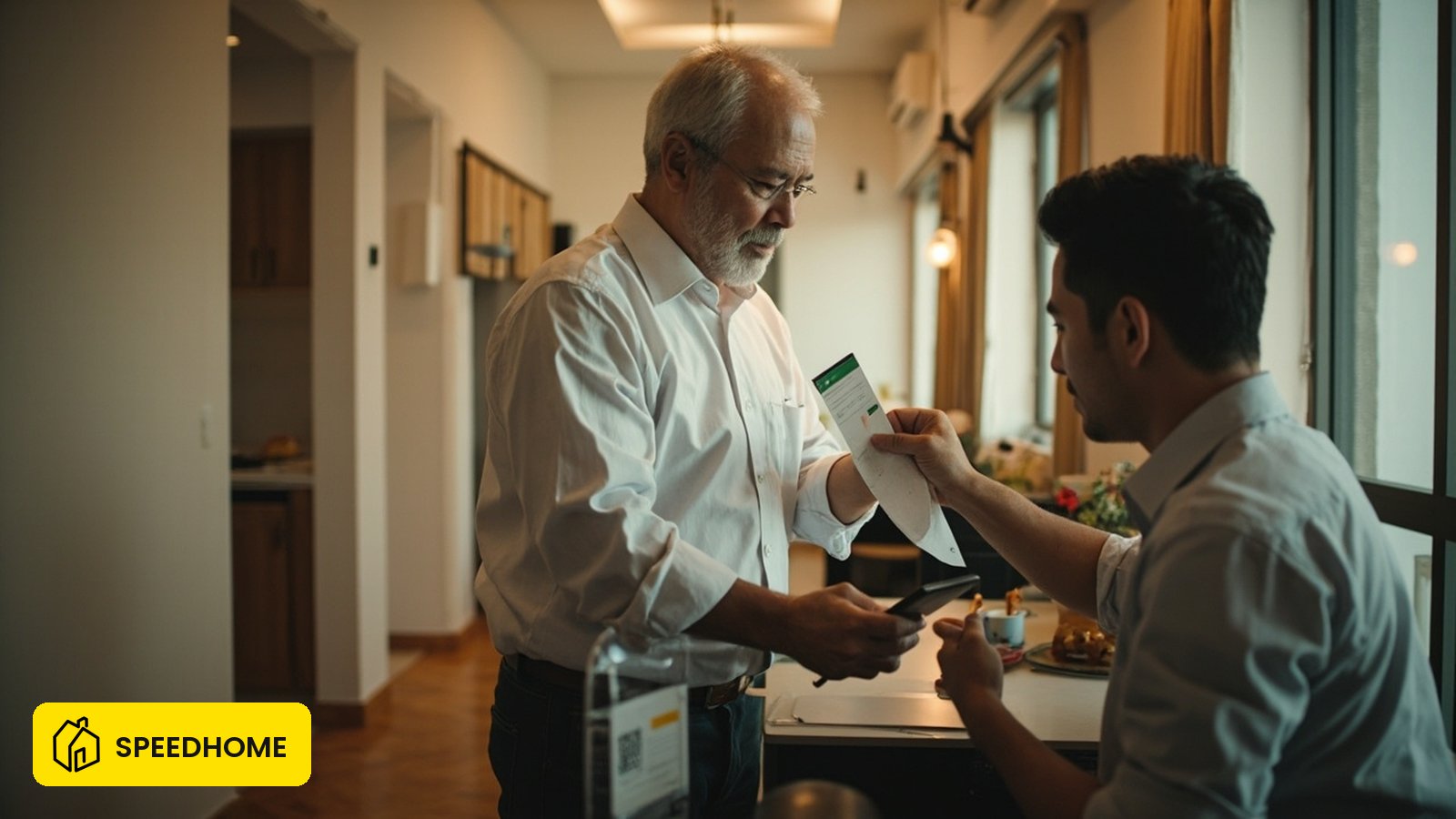
The single fastest way to lose a good tenant is to make them feel unheard. Platform records (Q1 2026) show that tenant silence on repairs is the #1 predictor of a renewal decision — and that 70% of the platform tenants pay on or before the due date when landlords respond quickly. The cost of a vacancy and re-listing almost always exceeds the cost of a prompt fix. Here are the five practices that reliably keep quality tenants in place.
1. How quickly should you listen to your tenants and respond?
Good tenants stay when they feel heard. Acknowledge every repair or change request in writing within 24 hours, even if the fix takes longer — silence is the start of a renewal decision against you.
Communication is the foundation of long-term tenancies. A tenant who wants to stay may ask for small accommodations: a mini garden area, an extra hook on the wall, or a new appliance. How you respond to those requests signals whether you see the tenancy as a partnership or a transaction.
Practical steps: - Confirm receipt of every request in writing (WhatsApp is fine, but keep a record). - Give a realistic timeline for any repair, even if it is "I will call the plumber this week." - Use a platform like SPEEDHOME that logs repair requests and landlord responses in one place, so both sides have a clean record.
The screening step matters here too. SPEEDHOME platform records (2025–2026) indicate that screened tenancies churn at roughly half the rate of unscreened tenancies in the same building — because the applicants most likely to leave after a slow repair response are filtered out before the tenancy starts. Confirm every reasonable request from a tenant you screened and chose; that is the asset you paid the screening step to find.
2. What standard should you maintain your property to?
A well-maintained unit gives a good tenant a reason to stay and a reason to treat the property carefully. Deferred maintenance compounds into higher turnover, more end-of-tenancy disputes, and larger repair bills.
Routine upkeep is not generosity — it is risk management. A leaking tap costs less than RM 200 to fix and nothing to lose a tenant over. A unit that accumulates deferred faults signals to the tenant that the landlord will also neglect serious issues later.
Maintenance priorities that directly affect tenant retention:
| Item | Why it matters for retention | Suggested response time |
|---|---|---|
| Plumbing leaks | Immediate living quality impact; tenant cannot ignore it | Within 48 hours |
| Aircon not cooling | Malaysia heat makes this urgent; tenant tolerates nothing | Within 48 hours |
| Broken locks or doors | Safety concern; tenant legally and emotionally alarmed | Same day |
| Water heater failure | Daily inconvenience; tenant compares this to other options | Within 3 days |
| Pest problem | Health concern; tenant may terminate if unresolved | Within 5 days |
| General wear (paint chips, minor fixtures) | Low urgency but signals pride of ownership | Next inspection |
Conduct a short walk-through inspection once per tenancy year, with written notice and the tenant's agreement. Fix what you find before it becomes a dispute at move-out.
3. Why keep tenants informed before they have to ask?
Proactive communication — telling tenants about planned works, building changes, or rent reviews before they happen — builds the trust that makes renewals easy and prevents surprise-driven departures.
Keeping residents informed does not mean over-communicating. It means they never learn important news from a neighbour or a management notice on the lift door before you have told them. Examples of what to communicate proactively:
- Upcoming maintenance shutdowns (water, lift, common area works)
- Any change to access, car park, or building management rules
- Rent review intentions — give at least two months' notice and explain the reasoning
- Your contact number changes or absence periods
How do you price the rent fairly for the market and the relationship?
Overpriced rent filters for tenants with no better option, not for better tenants. Market-rate rent combined with a stable, communicative landlord is what attracts and holds the tenants most landlords actually want.
It is tempting to push rent to the ceiling to "attract a better class of tenant." In practice, the best tenants know the market and will not overpay. Setting rent above market does not filter for quality — it filters for tenants who have already been rejected elsewhere or who plan to negotiate aggressively at renewal.
How to set a defensible rent: - Check live SPEEDHOME listings in your building and similar buildings nearby to anchor the range. - Factor in furnishing level, condition, and included utilities honestly. - If you want to raise rent at renewal, raise it once by a meaningful amount rather than small annual increases that feel like harassment.
For landlords who want a structured approach to pricing, SPEEDHOME's screening process also helps you compare the applicant pool against what the unit commands — so you are not accepting a weaker tenant just to fill a vacancy.
5. Which technology makes the tenancy easy to manage?
Tenants who pay rent, log repair requests, and contact their landlord through one structured channel carry less unresolved friction — and a structured platform protects both sides at move-out.
The practical technology layer for Malaysian landlords:
- Online rent collection: bank transfer with a payment reference or a platform-managed collection removes cash-handling disputes entirely.
- Repair request logging: a timestamped record of when a problem was reported and when it was resolved is the single best protection against deposit disputes at move-out.
- Document storage: keep the signed tenancy agreement, check-in photos, and payment history accessible. Both sides benefit from a clean paper trail.
- Tenant communication: a consistent channel (one WhatsApp number, one platform inbox) prevents messages from being missed or ignored.
SPEEDHOME's app lets tenants contact the landlord and log requests through a structured channel, so both sides have a timestamped record. This reduces the "I told you about the leak two months ago" disagreement that often breaks tenancies.
The SPEEDHOME path for landlords who want to keep better tenants
The most efficient way to protect a good tenancy is to start with a well-screened tenant and a TA that covers maintenance responsibilities clearly. Replacing a tenant costs at least one month of vacancy plus re-listing effort — most landlords recover more value from retention than from re-selection.
If you are already in a tenancy: use the five practices above. If you are preparing to re-list: SPEEDHOME pre-screens applicants against financial and rental history, provides a standardised tenancy agreement with clear maintenance clauses, and manages payment collection so the relationship starts on a documented footing.
Explore the SPEEDHOME landlord service to see how pre-screening and managed rent collection reduce the friction that causes good tenants to leave.
For more on building the right tenant relationship from the start, see how to screen tenants effectively with CTOS in Malaysia and the 5 red flags to identify and avoid bad tenants before you sign.
Frequently asked questions about keeping good tenants
How much notice should a Malaysian landlord give before a rent increase? There is no statutory minimum yet — the Residential Tenancy Act is still proposed (final drafting, Feb 2026). The rule is whatever the tenancy agreement says, and most landlord TAs in Malaysia require 60 days' written notice. Always check your TA before issuing any increase; surprise hikes at renewal are the most common reason otherwise happy tenants decide to move.
Can a landlord refuse a tenant's request to make minor changes to the unit? Yes — landlord consent is required for any physical alteration unless the TA explicitly permits it. For minor changes (curtain rod, picture hooks, removable shelving), most landlords agree on condition the unit is restored to original condition at move-out. Document any approval in writing so it does not become a deposit dispute later.
What is the most common reason good tenants in Malaysia do not renew? Slow or ignored maintenance requests. SPEEDHOME platform records (Q1 2026) show the average first-default-to-recovery window is 31 days, and condition disputes — not price or location — are the #1 trigger that turns that window into a non-renewal. A tenant who waited weeks for a plumber and was never updated will rarely renew, regardless of how fair the rent is.
Should a landlord lower the rent to keep a long-term tenant? Not necessarily. Most long-term tenants value stability and responsiveness over price alone; SPEEDHOME platform records show 70% of tenants pay on or before the due date when the tenancy is well-managed, which is the cohort worth keeping. A fair market renewal rate with a small goodwill gesture — absorbing a minor repair cost, agreeing to a short grace period — often secures renewal at full market rent. Large, unexplained increases are what cause departures.
Does SPEEDHOME's rental protection plan cover rent if a tenant stops paying? SPEEDHOME's Zero Deposit offering is a managed rental-risk system, not a financial guarantee product. Protection eligibility depends on the specific listing and agreement terms — not every unit qualifies. Check the live listing and terms at SPEEDHOME to confirm what applies to your property.
What documents should a Malaysian landlord keep to protect the tenancy? Keep the signed and stamped tenancy agreement, check-in and check-out condition photos (timestamped), all rent payment records, written repair requests and responses, and any written notices sent to the tenant. These records resolve most end-of-tenancy disputes without needing formal proceedings.
Does tenant screening actually change how long good tenants stay? Yes. The #1 default cause in SPEEDHOME platform records is a sudden financial shock, and screening is what catches that risk before the tenancy starts. Skipping screening to fill a vacancy faster usually trades one month of rent for a tenancy that does not reach renewal.