
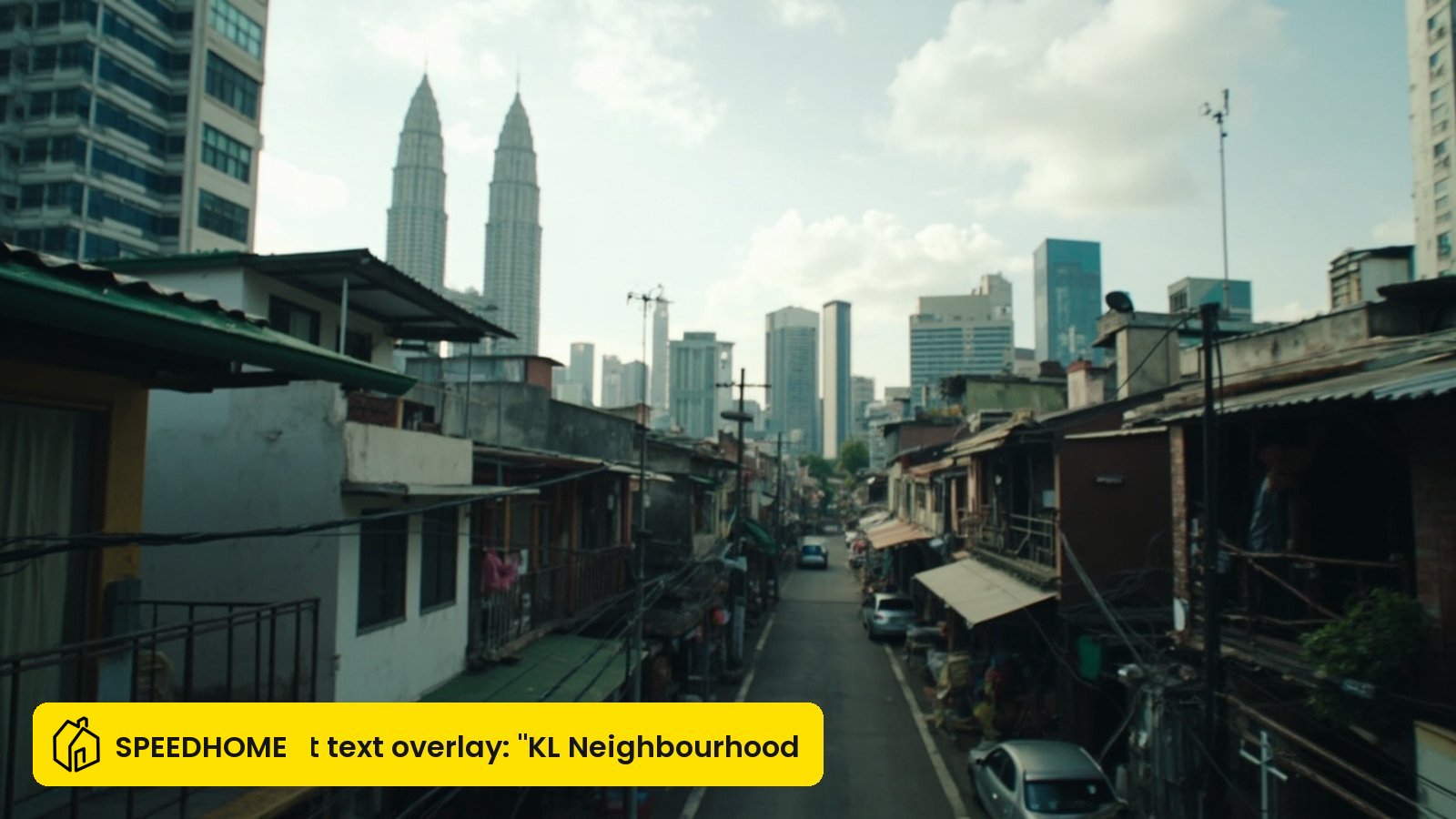
KL's five central neighbourhoods: quick answer
Bukit Bintang, KLCC, Kampung Baru, Brickfields/KL Sentral, and Chinatown/Petaling Street are five distinct inner-city neighbourhoods that suit different tenants: Bukit Bintang and KLCC for lifestyle, Brickfields for transit-heavy commuters on a budget, Kampung Baru for heritage character, Petaling Street for lowest-cost city access. KLCC is typically the premium inner-city band; Petaling Street is typically the lowest entry. Confirm the live gap on KL rentals rather than treating any printed table as a published market band.
The five sit within roughly 5 km of each other: a high-rise in KLCC next to a traditional terrace in Kampung Baru, or Brickfields' LRT-linked flats a short ride from Bukit Bintang's nightlife. Which neighbourhood fits you depends on your commute mode, budget, lifestyle preferences, and how much ambient street noise you can sleep through.
Use this guide to compare the five. Then check live Kuala Lumpur rentals before booking viewings — rent and availability change by unit.
Area snapshot: five neighbourhoods at a glance
Each of these five neighbourhoods has a distinct character. Matching yourself to the right one before you start viewing saves time and avoids the regret of signing in the wrong place.
| Neighbourhood | Character | Who it suits | Typical unit types | Transit anchor |
|---|---|---|---|---|
| Bukit Bintang | Entertainment and lifestyle hub; hotels, malls, nightlife | Young professionals, F&B workers, lifestyle tenants | Condos, serviced apartments, rooms | Monorail + MRT |
| KLCC | City-centre landmark district; prestige condos and offices | Expats, CBD workers, tenants wanting walkability to Suria KLCC | High-rise condominiums, luxury serviced apartments | LRT Kelana Jaya line |
| Kampung Baru | Heritage Malay village inside the city; low-rise traditional homes | Tenants wanting character, lower density, cultural pace | Terrace houses, low-rise homes, some apartments | LRT Kelana Jaya line |
| Brickfields / KL Sentral | Transport hub; Little India; dense mixed use | Train-dependent commuters, budget renters, short-term tenants | Serviced apartments, mixed condos | LRT + KTM + ERL + MRT |
| Chinatown / Petaling Street | Historic street-market district; dense and lively | Budget-conscious tenants, students, city-access seekers | Rooms, budget apartments, older walk-up units | LRT/MRT Pasar Seni |
For a broader comparison across all KL areas, see the best area to rent in Kuala Lumpur guide. Also worth comparing nearby is the houses for rent in Kuala Lumpur guide.
What is Bukit Bintang like — entertainment, food and lifestyle?
Bukit Bintang is KL's entertainment centre — malls, hawker streets, spas and nightlife within walking distance. It suits tenants who want a city lifestyle within their front door, and are willing to pay for walkability and convenience.
Bukit Bintang is home to a wide mix of accommodation: budget hotels on Jalan Alor through to high-floor serviced apartments facing the city skyline. Adjacent hawker stalls serve food through the night, making it popular with shift workers and F&B professionals. The trade-off is density and noise. Jalan Bukit Bintang and its surroundings stay active late into the night, which can be energising for some tenants and exhausting for others.
Honest drawback: late-night street noise is the single biggest issue — pick a unit above the 4th floor or set back from Jalan Bukit Bintang and Jalan Alor. Nearest rail is Bukit Bintang station (MRT Putrajaya line + Monorail), 3–10 minutes' walk depending on which side of Jalan Bukit Bintang you land on — full timing in the KL rail at a glance table below.
Why choose KLCC for landmark living at the city's heart?
KLCC is the address most associated with KL internationally, anchored by the Petronas Twin Towers and Suria KLCC mall. Renting here gives direct access to the CBD and a dense cluster of amenities — at a price premium over nearly all other inner-city areas.
The KLCC area clusters around KLCC Park and Jalan Ampang, and extends toward Jalan P. Ramlee and the surrounding embassy district. Landmarks include the Petronas Twin Towers (the tallest twin towers in the world), Menara KL with its Atmosphere 360 revolving restaurant, Aquaria KLCC, and Petrosains. The Bukit Nanas Forest Reserve — the oldest gazetted forest reserve in Malaysia — sits within easy reach and provides rare urban greenery.
Living in KLCC typically means a high-rise condominium or luxury serviced apartment. Furnishing standards and building facilities tend to be higher than average, but so is rent. The area is well suited to expats, CBD professionals, and tenants who value a walkable lifestyle in a globally recognisable address.
Drawback to plan around: visitor parking is expensive and KLCC Park event days congest surrounding roads — pick a unit facing inward, not toward Jalan P. Ramlee. Nearest rail is KLCC station (LRT Kelana Jaya), typically 2–8 minutes' walk depending on the building podium — full timing in the KL rail at a glance table below.
Kampung Baru: why does it feel like a different world in the middle of the city?
Kampung Baru is a Malay reserve area within 2 kilometres of the KLCC twin towers, yet it feels like a different world. Traditional timber homes on stilts, banana trees, morning markets, and weekend food stalls sit where the city's most expensive real estate surrounds it on every side.
The contrast is striking: from Kampung Baru's low-rise streets, you can see the Petronas Twin Towers and KLCC's glass towers in the background. The neighbourhood has maintained much of its heritage character over decades, making it a genuinely distinctive place to live in an otherwise homogenous cityscape.
Rental options in Kampung Baru tend to include older terrace houses, traditional homes, and a smaller number of newer apartment units. Rent is typically lower than adjacent KLCC, though the building stock is older and maintenance standards vary. It is better suited to tenants who appreciate a different pace and are happy to drive or take transit to nearby commercial areas.
Drawback to plan around: morning and Hari Raya market days congest internal roads — drive-through tenants will find parking tight; café and gym access requires a short Grab ride. Nearest rail is Kampung Baru LRT station (Kelana Jaya line), 5–12 minutes' walk depending on which side of the village your building sits — full timing in the KL rail at a glance table below.
Why are Brickfields and KL Sentral the transport hub of KL?
Brickfields, home to KL Sentral, is Kuala Lumpur's most connected transit point — served by the LRT (Kelana Jaya line), KTM Komuter, ERL Airport Express, Rapid KL buses, and the MRT. For train-dependent commuters, nothing in KL competes with this level of multimodal access.
KL Sentral itself opened in 2001 as Malaysia's largest railway station, combining rail connections with a commercial mall and bus terminals. The surrounding Brickfields area is known as KL's Little India — rows of South Indian restaurants, vegetarian eateries, banana-leaf curry houses, temples, and cultural shops extend through the neighbourhood. Banana-leaf lunches and late-evening thosai are why many tenants stay years longer than they planned.
Rent in Brickfields and KL Sentral is generally more accessible than in KLCC, and a lot of the serviced apartment stock targets working professionals, students and short-term tenants.
Drawback to plan around: Jalan Tun Sambanthan and the stretches nearest KL Sentral carry heavy bus and KTM corridor noise — choose a unit on the inner-court side or higher floor, not one fronting the main road. Nearest rail is KL Sentral itself (LRT + KTM + ERL + MRT, all under one terminal), 3–15 minutes' walk depending on which edge of Brickfields the unit is on — full timing in the KL rail at a glance table below.
Chinatown and Petaling Street: why is city access cheapest here?
Petaling Street — known to most Malaysians as Chinatown — is one of KL's oldest commercial districts. Open-air market stalls, Chinese temples, noodle shops, and a covered pedestrian street form an area that has been a trading hub for over a century. For tenants who want central city access at a lower cost, it is worth considering.
The covered market on Jalan Petaling is the most recognisable part, and remains a mix of food vendors, souvenir stalls, and bargain goods. The surrounding streets (Jalan Sultan, Jalan Tun HS Lee, and Jalan Petaling itself) have a dense mix of shophouses, older apartments, budget guesthouses, and some newer buildings.
Rental here typically means an older walk-up unit, shared flat, or budget room rather than a condominium. The area is well suited for students, younger tenants, or those prioritising city access over building modernity. Jalan Pasar Seni nearby gives access to the Klang River waterfront and Central Market.
Drawback to plan around: lift access, water pressure and pest control are the three things to physically test — most walk-ups lack lift service above the 3rd floor, and standards vary block by block. Nearest rail is Pasar Seni station (LRT Kelana Jaya + MRT Putrajaya), 5–10 minutes' walk to Petaling Street proper — full timing in the KL rail at a glance table below.
What are the rent ranges and honest drawbacks compared?
No single KL neighbourhood is the best choice. The right one depends on your commute, your budget, and your tolerance for noise, older buildings, or car dependency.
| Neighbourhood | Studio / room (approx) | 2BR condo (approx) | 3BR / family unit (approx) | Key honest drawbacks |
|---|---|---|---|---|
| Bukit Bintang | RM1,400–2,200 | RM2,800–4,500 | RM4,000–7,000 | Late-night street noise, parking cost, density |
| KLCC | RM1,800–3,500 | RM3,500–7,000 | RM5,500–12,000+ | Highest inner-city rent, smaller units for price |
| Kampung Baru | RM900–1,600 | RM1,800–3,200 | RM2,500–4,500 | Older building stock, limited walkable retail, market-day congestion |
| Brickfields / KL Sentral | RM1,100–2,000 | RM2,200–3,800 | RM3,000–5,500 | Traffic noise near station, parking difficulty |
| Chinatown / Petaling Street | RM700–1,400 | RM1,500–2,800 (mostly older walk-ups) | RM2,200–4,000 (rare) | Oldest stock, maintenance variation, lift access limited |
Figures below are indicative of recent SPEEDHOME listing samples in these neighbourhoods, not a published or guaranteed band. Actual rent varies by building age, floor, furnishing, view, and timing. Always check current KL rentals on SPEEDHOME. For another option in the same area, see the guide to condo living in Kuala Lumpur.
KL rail at a glance
A renter's actual question is "how long to my workplace, on foot, from the station?" This table pairs each neighbourhood with its nearest station, the honest walking minutes, and typical commute to the two big CBD anchors — KLCC and KL Sentral.
| Neighbourhood | Nearest station | Honest walk to station | Typical commute to KLCC | Typical commute to KL Sentral |
|---|---|---|---|---|
| Bukit Bintang | Bukit Bintang (MRT Putrajaya + Monorail) | 3–10 min depending on side of Jalan Bukit Bintang | 1 MRT stop (~5 min) or 15-min walk | 2 MRT stops (~10 min) |
| KLCC | KLCC (LRT Kelana Jaya) | 2–8 min depending on building podium | Already there | 2 LRT stops (~6 min) |
| Kampung Baru | Kampung Baru (LRT Kelana Jaya) | 5–12 min depending on which side of the village | 1 LRT stop (~3 min) | 4 LRT stops (~10 min) |
| Brickfields / KL Sentral | KL Sentral (LRT + KTM + ERL + MRT) | 3–15 min depending on which edge of Brickfields | 2 LRT stops (~6 min) | Already there |
| Chinatown / Petaling Street | Pasar Seni (LRT Kelana Jaya + MRT Putrajaya) | 5–10 min to Petaling Street proper | 2 stops (~7 min) on LRT | 1 MRT stop (~4 min) |
Walking times are honest door-to-platform estimates; verify on the actual unit's Google Maps route at the time you normally travel.
What is on the viewing checklist before you choose a unit?
Shortlisting by neighbourhood is the first step. The viewing decides whether the specific unit is worth signing. Check the practical details that listing photos cannot show.
Use this checklist before committing:
- Walk the route from the building to your workplace, campus or nearest station at the time you normally travel.
- Test water pressure in the bathroom and kitchen during the viewing.
- Check the aircon, fridge, washer, hob, lights, fans, and water heater — confirm all are working.
- Look for stains, dampness, pest signs, swollen cabinets, cracked tiles, and drainage issues.
- Ask what is included in the rent: parking, maintenance, internet, utilities, or none.
- Confirm the tenancy agreement path, deposit terms, and stamp duty arrangement.
- Photograph the condition of the entire unit before you move in.
- If a listing mentions Zero Deposit, confirm eligibility on the specific listing — not every unit or rental amount qualifies. A unit showing Zero Deposit eligibility on SPEEDHOME means that particular listing has been approved under the scheme; it is not a general promise that all units in that building qualify.
SPEEDHOME's Zero Deposit option is available on qualifying listings in KL, including units in Bukit Bintang, KLCC, Brickfields and surrounding areas. Zero Deposit is a managed rental-risk system, not a financial guarantee product — it replaces the conventional cash deposit with a scheme fee. Not every unit qualifies, and not every tenancy amount is covered. Check individual listings on SPEEDHOME's KL rental search to confirm which units carry Zero Deposit eligibility.
FAQ
Which KL neighbourhood is best for a first-time renter with a limited budget?
Brickfields and Petaling Street tend to offer lower entry rents than KLCC or Bukit Bintang, with good transit access. Brickfields suits train-heavy commuters best; Petaling Street suits tenants who can accept older building stock. On a first viewing, prioritise the commute test (walk the actual route at the hour you would normally travel) and the rent test (check current KL rentals for the same building, not the same area). The two together decide more than the neighbourhood name does.
Is Kampung Baru a good place to rent for non-Malay tenants?
Rental listings in Kampung Baru are open to all tenants regardless of ethnicity; the practical filter is building condition and community fit. When you view, check four things: (1) walk the lane on a weekday morning to gauge noise and neighbour turnover, (2) read the tenancy agreement's house-rules clause for visitor and parking rules, (3) confirm the nearest LRT (Kampung Baru station on the Kelana Jaya line) is a walkable distance for your daily routine, and (4) test road congestion at the peak hour you would actually commute. The viewing checklist at the top of this page covers the unit-condition side; the commute test is what a Kampung Baru listing cannot tell you from a photo.
How far is Bukit Bintang from KLCC by transit?
Bukit Bintang and KLCC are approximately one MRT stop or a 10-15 minute walk apart. From Bukit Bintang station (MRT), one stop east is KLCC station (LRT). They are effectively adjacent for practical city-life purposes, though rent in KLCC is typically higher.
What is KL Sentral and why does it matter for renters?
KL Sentral is Malaysia's largest multimodal rail hub, combining the LRT Kelana Jaya line, KTM Komuter, ERL Airport Express, and MRT Putrajaya line under one terminal. For commuters whose daily route involves rail, renting in Brickfields near KL Sentral reduces travel friction more than almost any other inner-city address.
Is Petaling Street safe to rent in?
Petaling Street is safe to rent in for tenants who physically verify the unit before signing — the variable is building condition, not the street itself. Three physical checks on viewing day: take the lift (or stairs above the 3rd floor) to confirm service and water pressure, run the bathroom cold tap for two minutes to test pressure, and look for cockroach bait stations, sealed pipe joints, and corridor lighting. Older walk-ups vary block by block, so the building you choose matters more than the postcode.
Do I need a car to live in KLCC or Bukit Bintang?
No — both are among KL's best-served areas for walking and rail transit. KLCC sits directly above an LRT station, and Bukit Bintang is served by both Monorail and MRT. Parking is expensive and limited in both areas, so tenants who do not drive often find these neighbourhoods more practical than car-dependent alternatives.
Live in Bukit Bintang vs commute in from Petaling Street or Kampung Baru?
If your work is in the Bukit Bintang / KLCC corridor, living in Bukit Bintang usually cuts the last-mile commute versus Petaling Street or Kampung Baru, at a higher inner-city rent. Compute the actual rent delta against live KL rentals for the specific buildings on your shortlist, and walk both routes at the hour you would actually travel, before treating either option as the winner.