
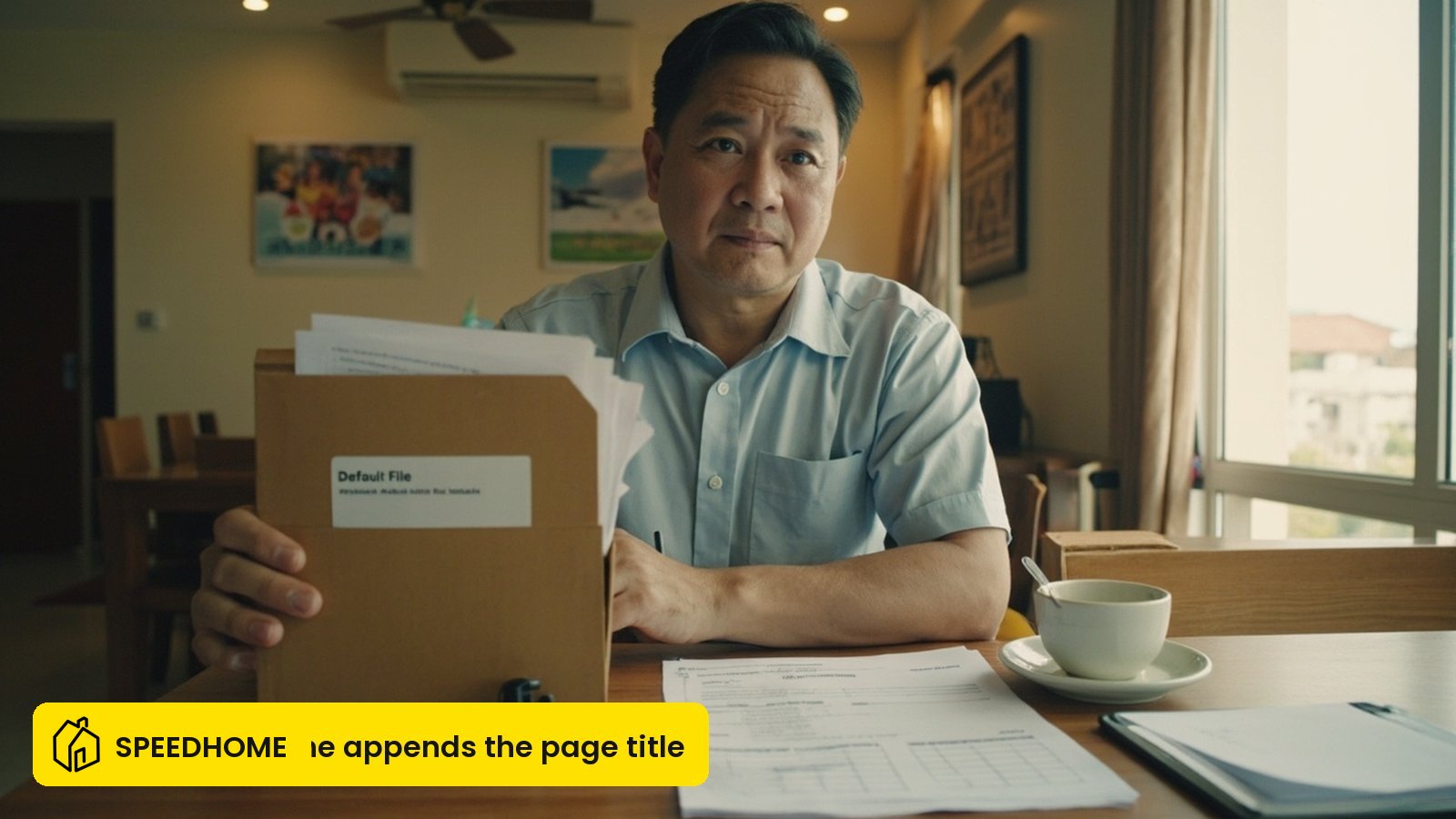
Can a landlord publicly name a tenant or post their IC online?
No. Posting a tenant's IC, photo, phone number, or workplace online to punish or warn other landlords is not a lawful recovery step in Malaysia — it can expose you to defamation, harassment, and personal-data issues, and it weakens the very evidence file you need. The stronger move is to build a provable default file: tenancy agreement, written consent, an arrears ledger, demand notices, and a lawful recovery process.
The anger is real and understandable. A tenant who stops paying and disappears feels like theft. But an unverified social-media listing channel, a WhatsApp status, or a comment thread is not a court, not a credit agency, and not a formal recovery channel. The moment a name, IC, or photo is published, the discussion becomes public punishment — and that can rebound onto the landlord who posted it.
What does a defensible rental default actually look like?
A strong default file is not the label "bad tenant." It needs a clear arrears start date, a stated amount, an agreement that supports the claim, written reminders or notices, and a fair chance for the tenant to put it right.
Many landlords assemble evidence in the heat of the moment and miss what actually carries weight later. The table below shows what each piece of evidence does, and the risk if it is missing.
| Evidence | Why it matters | Risk if missing |
|---|---|---|
| Signed tenancy agreement | Shows rent amount, due date, deposit, obligations, and default clause | A claim looks like a verbal promise |
| Payment ledger | Separates paid, late, partial, and genuine arrears | The amount becomes contestable |
| Messages and notices | Proves you asked for payment in writing | Tenant can say they were never given a chance |
| Property evidence | Move-in, move-out, and damage photos/video | Damage blurs into fair wear and tear |
| Key-handover record | Fixes when the tenancy truly ended or the unit was abandoned | Landlord risks unlawful entry or lockout |
When the file is complete, the tone of communication changes. You no longer need to shout. You can write plainly: the amount overdue, the date to pay, the next step if unpaid, and the correct channel to respond. That is more useful — and more legally defensible — than a long public post that strangers comment on without the full facts.
When is reporting to a credit reporting agency a lawful path?
A verified rental default can be reported to a licensed credit reporting agency only where the tenant has given consent in the tenancy agreement; publishing a tenant's details or maintaining an open punishment list is not lawful. An individual landlord cannot furnish credit data directly on their own.
This is the key distinction. An ordinary landlord can keep records and pursue a claim, but cannot simply send tenant data to a credit agency as a private person. That is why a report-ready tenancy agreement matters: the consent clause, the default definition, the notice process, and the evidence must be set up from the start — not patched together after the tenant has vanished.
Do not write copy that sounds like a promise to publicly punish the tenant. That is an overclaim. The safe framing is: a verified default can be reported to a registered credit reporting agency when the law and written consent allow it. This language may read less satisfyingly in the moment, but it is the line that protects the landlord.
What is the 7 / 14 / 30-day plan when a tenant starts to disappear?
Use an action schedule, not threats. Day one is confirm the arrears. Week two is serve a notice and give a chance to fix it. Day thirty is choose: negotiate, claim, escalate lawfully, or prepare the default file. On SPEEDHOME's managed platform, the average time from a tenant's first rental default to recovery action is about 31 days — a useful benchmark, not a fixed timeline that applies to every case.
- Day 1 to 3: check the bank account, ledger, due dates, and any partial payment. Send a short written reminder.
- Day 4 to 7: ask for a clear answer, not a long story. Record any payment promise with the actual date.
- Day 8 to 14: send a more formal notice following the agreement. State the amount, deadline, and consequence if unresolved.
- Day 15 to 30: assemble the default file — evidence, photos, agreement, communication. Do not lock the tenant out, disconnect water or electricity, remove belongings, or enter the unit without proper advice.
- After that: choose the claim, negotiation, recovery, lawful default-reporting, or legal route that fits the facts of the case.
A landlord cannot lawfully evict by self-help — locking the tenant out, removing doors, or disconnecting water or electricity. Recovery of possession must go through the lawful process. If the tenant replies with a reasonable explanation, you can still negotiate — but keep the negotiation in writing: how much, by when, what happens if it fails, and whether the tenancy continues or ends. Do not rely on emotional voice notes alone.
What should the tenancy agreement contain so a default is not empty?
The agreement must be clear before the problem happens. It should state the rent amount, payment date, any grace period, late-payment handling, deposit, utilities, access, property condition, notice, data consent, and what happens if the tenant defaults.
Clauses alone are not enough if you do not follow the process. If the agreement says notice must be in writing, write it. If it says payment must go into a named account, use that account. If you mix cash payments, WhatsApp promises, and unrecorded discounts into the picture, the default file becomes weaker. For the basics, see how a report-ready tenancy agreement is structured before the keys change hands.
How do I ask for advice in a community without exposing tenant data?
Write the facts of the case without the identity. For example: "Tenant is two months behind, there is a written agreement, reminders have been sent, keys are not returned. What is the safe next step?" That is enough to get practical advice without turning a specific person into a public target.
- Remove name, IC number, phone number, workplace, and face photo.
- Do not upload the full agreement. If a clause is relevant, share the general clause without personal data.
- Do not ask strangers to harass the tenant, contact their employer, or spread photos.
- Separate the emotional vent from the action decision. Vent to a friend, not into the case file.
- If the case involves threats, serious damage, or safety, get professional advice quickly.
A valid warning speaks about process, not personal identity. You can tell the tenant in writing that arrears will be recorded, a claim may follow, and a verified default can go through the permitted channel if consent and evidence allow. That is different from writing their name, IC, or photo in a public place.
How do I write a firm notice that is not excessive?
A good notice has five things: amount, reason, deadline, agreement reference, and lawful consequence. It does not need to be aggressive — it needs to be clear. Avoid phrasing like "I will name and shame you across Malaysia," which opens risk and may be inaccurate.
A safer tone: "As of 10 June 2026, May and June rent totalling RM4,000 remains unpaid. Please settle or propose a written payment plan before 14 June 2026. If unresolved, we will consider recovery action, a claim, and the default process under the agreement and applicable law." That sentence is firm without public punishment.
If the tenant answers with an excuse, ask for date and amount. Do not debate morality at length. If they say "I will pay at month-end," reply: "Please confirm RM4,000 will be paid on 30 June 2026. If it is not, the tenancy remains in default and the next step may proceed." You are building a record of decisions, not chasing an emotional admission.
What should I do before the next tenancy?
Treat this case as a system audit, not just blame the tenant. Ask again: was screening strict enough, the agreement clear enough, data consent present, the deposit or protection right, move-in evidence complete, and is there an automatic rent reminder? If the answer is no, the next tenant can repeat the same pattern.
A strong landlord is not the one who is best at being angry. A strong landlord is the one whose every step has a record. When the tenant pays, record it. When the tenant is late, record it. When a repair is done, record it. When an inspection finishes, record it. That way, when a problem arrives, you are not starting from panic. If you are looking for a new tenant, start with post-rent on SPEEDHOME, and run tenant screening before the keys move.
FAQ
Can I post the tenant's name in a landlord group to warn others?
Avoid it. Even with good intent, posting a name, photo, IC, workplace, or phone number carries defamation, harassment, and personal-data risk. Describe the issue in general terms if you want advice — do not make a specific person a public target.
What is the difference between an informal punishment list and a lawful default report?
An open punishment list is usually understood as naming a tenant in public to warn others — and that is not a safe path. A lawful default report must rest on the agreement, written consent, proof of arrears, and a process that the permitted party can audit. They are not the same thing.
The tenant has already run. Is there anything I can still do?
Yes — assemble the file first. Collect the agreement, payment ledger, demand messages, notices, handover photos, and the total arrears. Then choose: negotiate, claim, report the default through the lawful channel, or get legal advice.
Does a default report guarantee the tenant pays up?
No. A default report is not a collection guarantee, and it does not expose the tenant to open shaming. Its value is that it makes a lawful arrears claim more organised, traceable, and serious in the credit-risk record when all conditions are met.
Can I lock the tenant out or cut the utilities to force payment?
No. A landlord cannot lawfully evict by self-help — locking the tenant out, removing doors, or disconnecting water or electricity. Recovery of possession must go through the lawful process. Self-help can turn a strong arrears file into a weaker and more expensive case.