
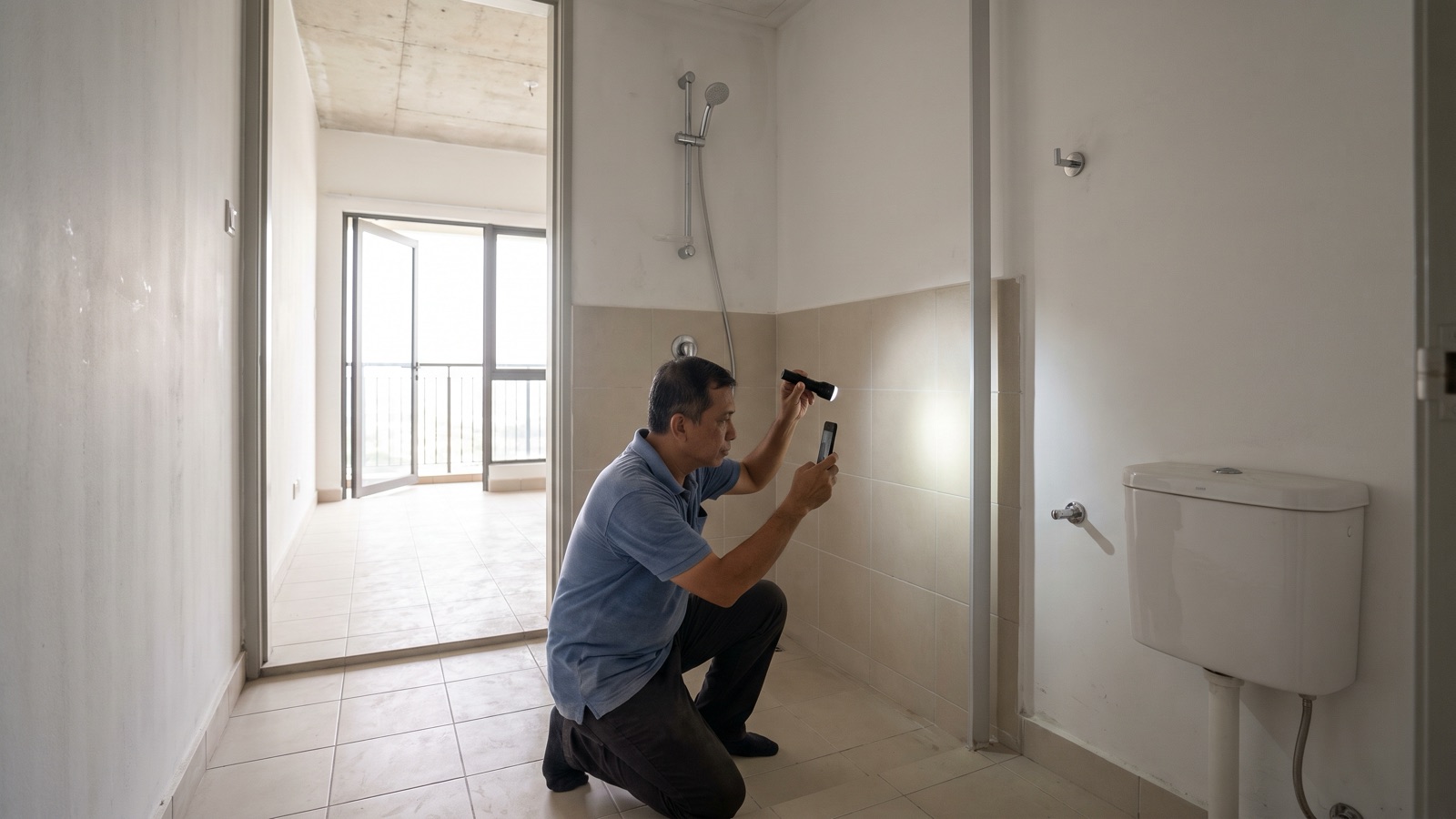
Preparing a vacant rental unit between tenancies requires a targeted pest and vector inspection to prevent standing water accumulation, insect infestations, and structural damage before new occupants move in. In Malaysia, unattended properties quickly become breeding sites for mosquitoes, cockroaches, rodents, and termites when plumbing traps dry out and allow sewer pests to enter, or when residual moisture lingers in air conditioner lines and floor drains. Landlords should complete a systematic turnover checklist covering plumbing seals, entry points, deep cleaning, and appliance drainage to protect asset value and deliver a clean, habitable home.
Why is pest prevention critical during the rental vacancy window?
A vacant property is uniquely vulnerable to pest colonization because daily activities—running taps, clearing food waste, and ventilating rooms—stop completely. Without moving water, the water barrier inside plumbing P-traps evaporates within two to three weeks in the Malaysian climate. Once this barrier dries, drain flies, cockroaches, and sewer mosquitoes gain unrestricted access into bathrooms and kitchens.
Furthermore, dark, undisturbed rooms offer ideal nesting conditions for rodents and wood-boring insects. Left unmonitored, minor pest presence multiplies into an infestation that disrupts viewings and delays lease signings. Integrating pest management into turnover alongside the minimum rent-ready checklist protects rental appeal and ensures immediate compliance with local sanitary expectations.
What water sources in an empty property attract mosquito breeding?
Mosquitoes require minimal amounts of still water to lay eggs and complete their larval cycle. In an unoccupied home, several fixtures collect stagnant water:
- Unflushed toilet bowls and cisterns: Water sitting in toilet bowls or leaking cistern tanks provides a sheltered habitat for mosquito larvae.
- Dry floor trap gullies: When floor traps dry out, residual water pooling in underlying drainage bends remains stagnant and exposed to incoming insects.
- Air conditioner drip trays and drainage pipes: Blocked condensate trays or external discharge hoses that do not drain completely accumulate standing water.
- Balcony planters and drain sumps: Outdoor areas exposed to rainfall pool water in clogged scupper drains, saucer trays, or uneven tiled surfaces.
- Refrigerator defrost trays: Unplugged refrigerators left with melting frost or drainage pans create hidden indoor water reservoirs.
How should landlords secure floor traps and plumbing fixtures between tenancies?
Securing internal plumbing is the most effective way to block mosquito reproduction and pest intrusion in an empty unit. Proactive property managers implement systematic kawalan nyamuk unit kosong measures during the vacancy window to ensure floor traps, toilet basins, and drain sumps remain dry and sealed.
Key plumbing preservation steps include:
- Flushing and sealing floor drains: Pour clean water mixed with disinfectant or food-grade mineral oil into every bathroom and yard floor trap. The oil creates a thin film that prevents evaporation and stops mosquito egg laying.
- Covering drain openings: Place silicone drain covers or adhesive sealing films over floor grates to prevent sewer roaches from crawling upward.
- Closing toilet lids and wrapping basins: Clean toilet bowls thoroughly, lower lids, and seal rims with cling wrap if the property remains unoccupied for weeks.
- Clearing kitchen sink traps and overflows: Flush kitchen sink drains with boiling water and inspect the P-trap beneath the cabinet for leaks or gaps around pipe collars.
Which areas inside the property require thorough pest inspection during turnover?
A thorough turnover inspection should evaluate all internal zones before listing the property or hosting viewings:
- Kitchen cabinetry and pantry spaces: Inspect base cabinets, hinges, and kickboards for cockroach droppings, egg casings, or food residue. Check under the sink for moisture from loose strainers.
- Built-in wardrobes and timber skirting: Examine baseboards, wooden door frames, and built-in closet backing for mud tubes or hollowed wood indicating subterranean termite activity. Understanding the boundaries of mould, cockroach, and termite liabilities helps owners address timber damage before marketing the unit.
- Ceiling spaces and access panels: In landed homes, open ceiling access hatches to check for rodent droppings, chewed wiring, or roof leaks that attract damp-wood pests.
- Window seals and sliding door tracks: Inspect rubber gaskets, insect screens, and sliding glass tracks for gaps where insects enter from exterior corridors or gardens.
How do Malaysian public health regulations apply to vacant residential units?
Malaysian public health authorities run vector-control monitoring of residential areas where disease-bearing mosquitoes are suspected to breed, and enforcement attention follows whoever controls the affected premises. A vacant unit sits entirely under the owner's control, which makes routine vacancy inspections the owner's practical line of defence.
Guidelines from the Ministry of Health Malaysia (KKM) and the World Health Organization (WHO) emphasize that eliminating indoor and outdoor breeding receptacles is mandatory to contain Aedes mosquitoes and suppress dengue outbreaks. If active mosquito breeding is detected inside a vacant home, follow-up enforcement is directed at the person responsible for the premises — the registered owner. Regular vacancy inspections protect owners from enforcement exposure and community health liabilities.
What turnaround steps ensure a clean handover for incoming tenants?
A structured turnover workflow bridges the gap between tenant departure and move-in day. Executing these steps systematically avoids handover disputes:
- Conduct a formal move-out inspection: Review the interior against the established tenant move-out checklist to verify that outgoing occupants left no perishable food, trash, or unaddressed pest issues.
- Schedule professional deep cleaning: Hire a professional cleaning service to degrease range hoods, sanitize bathroom tiles, wipe interior cabinets, and clear balcony drains.
- Service air conditioning units: Flush AC drainage hoses, wash filters, and verify that condensation pans drain freely without backing up into wall cavities.
- Seal structural entry gaps: Fill gaps around pipe penetrations, cable inlets, and door sweeps using silicone sealant or stainless steel wire wool to block pest pathways.
- Ventilate and monitor: Open windows during daytime visits to circulate fresh air and inspect sticky monitoring traps placed in dark corners to detect pest activity before handover.
Who should manage pest treatments if an infestation is discovered before viewing?
When an infestation is discovered while a property is vacant between tenancies, the practical and financial burden of remediation rests with the landlord, and once a tenancy begins the split depends on what the tenancy agreement assigns — with no dedicated residential tenancy statute in force, contract terms govern that allocation. Because the property is under the direct custody and control of the owner, any existing infestation—whether caused by past turnover gaps, building defects, or dormant colonies—must be treated prior to signing a new agreement.
Landlords should engage licensed pest control operators to perform targeted eradication before advertising or opening the property for homerunner viewings. Delivering a certified pest-free unit ensures a seamless tenant onboarding experience, protects rental yield from vacancy delays, and sets a clear baseline standard for the incoming tenant's housekeeping obligations.