
Quick answer
A worn-down apartment drives away good tenants because it signals that repair reports will be ignored and move-out disputes over normal wear will be unfair. Tenants who document issues early, report in writing, and understand what maintenance is whose responsibility stay protected — and landlords who fix problems within a reasonable timeframe keep tenancies longer.
Most tenancy breakdowns in Malaysia start the same way: a small problem goes unreported or unacknowledged, grows, and eventually surfaces as a deposit dispute, an early notice, or a listing that sits empty. This guide covers the property-side mistakes that cause this cycle and what both sides can do to break it.
What property mistakes push tenants to leave?
The most common property mistakes are slow or no response to repair reports, deferred maintenance that makes the unit uncomfortable to live in, and punitive deposit deductions that penalise normal wear. Each one is preventable with records, clear clauses, and timely action.
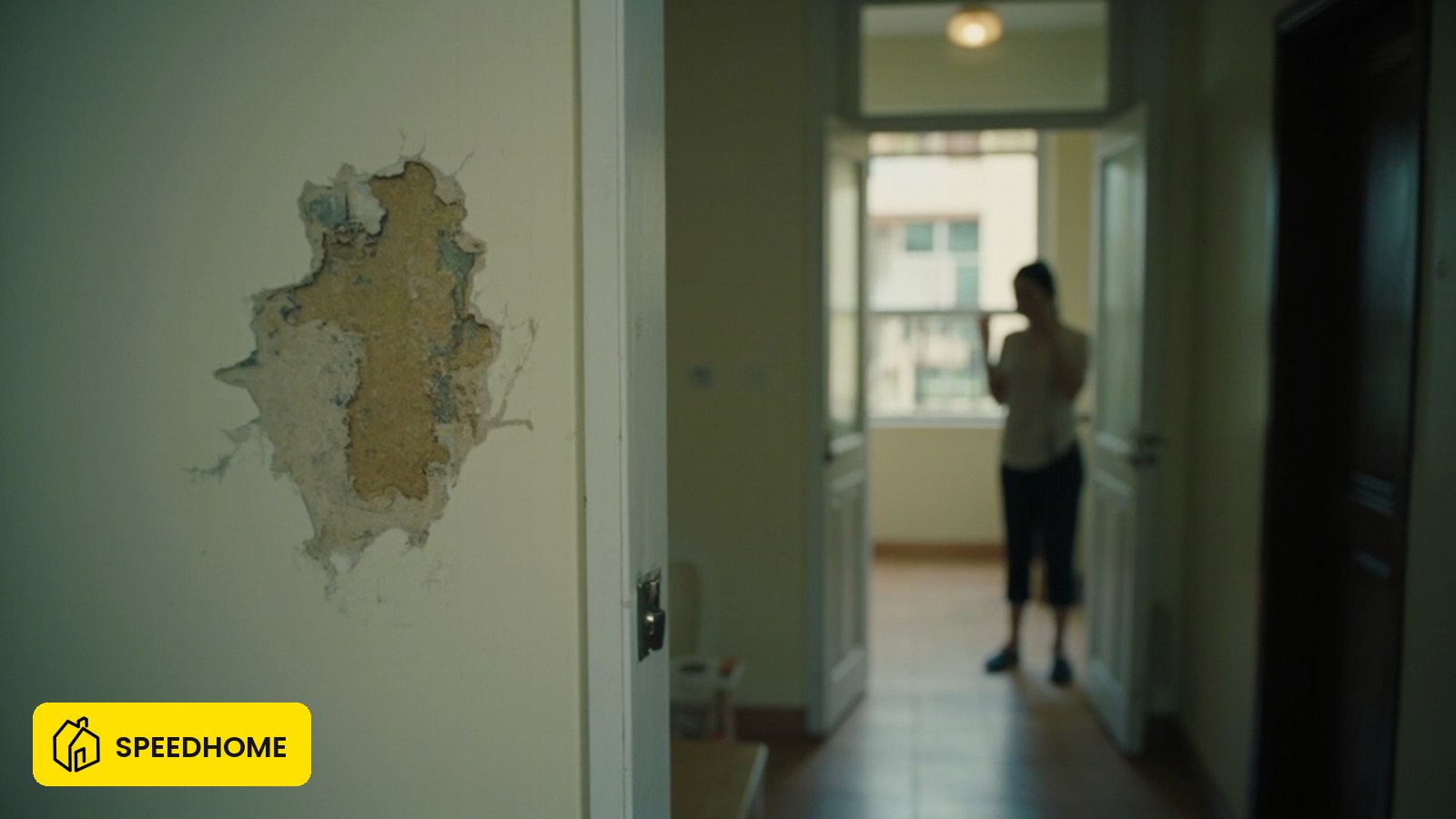
A tenant living in a worn-down apartment does not just accept discomfort — they start counting down to the end of the tenancy. The unit does not have to be dangerous to lose a tenant; it only has to feel like the landlord has stopped caring.
Common property mistakes that accelerate tenant exits:
- Aircond that leaks, underperforms, or has not been inspected since before the tenancy
- Water heater that cuts out or delivers inconsistent pressure
- Drains that back up repeatedly without a root-cause fix
- Ceiling damp or wall mould that gets painted over rather than treated
- Lights, sockets, or switches that do not work and stay unfixed for weeks
- Door locks or gate latches that are stiff, misaligned, or do not close cleanly
- Shared facilities (lifts, corridors, parking) reported to management without follow-up
None of these require major renovation. Most require a scheduled visit, a honest quote, and a decision. The cost of fixing them is usually far lower than the cost of relisting, touching up, and absorbing a void month.
What is fair wear and tear versus actual damage?
Fair wear and tear is the natural, gradual deterioration of a unit and its fixtures from ordinary everyday use over the tenancy period. It is not the tenant's financial responsibility. Damage caused by misuse, unauthorised modification, or negligence is different and can be deducted from the deposit with proper evidence.
This distinction is frequently misapplied in Malaysia. Landlords sometimes deduct for items that simply aged during a long tenancy; tenants sometimes claim everything is wear and tear to avoid paying for real damage. The honest test is: would a reasonable person, using the item normally, expect it to reach this condition after this length of tenancy?
| Item | Usually wear and tear | Usually tenant's responsibility |
|---|---|---|
| Paint fading or minor scuffs on walls | Yes — especially after 2+ years | No, unless stains, large holes, or unauthorised paint changes |
| Grouting or sealant darkening around tiles | Yes — moisture over time | No |
| Aircond cooling less efficiently over years | Yes — normal ageing | No, unless filter was never cleaned and caused blocked drainage |
| Scratches on laminate floors from daily use | Yes | No |
| Deep gouges, burn marks, or pet scratches | No | Yes — above normal use |
| Broken window locks from forcing | No | Yes |
| Missing or replaced fixtures without approval | No | Yes |
| Drain blockage from hair/grease build-up | Depends on duration and frequency | Yes, if tenant-side maintenance was neglected |
When in doubt, a licensed contractor's written cause-of-damage report is the fairest arbiter. One contractor opinion, dated, beats weeks of argument.
What should a tenant do when maintenance is ignored?
Report in writing, set a reasonable deadline, escalate once, then document the impact on habitability. Do not withhold rent unilaterally — this creates a separate liability even if the maintenance failure is real. Keep every message, photo, and date.
The escalation sequence matters. Verbal complaints are easily forgotten or disputed. A WhatsApp message with photos, sent to the landlord's registered number, is a timestamped record. If the issue is not acknowledged within 3–5 working days, send a follow-up referencing the original message.
For urgent issues — water leaks affecting electrics, gas smells, a door lock that will not close, a structural crack that visibly widens — take the minimum safe action, document what you did and why, and notify the landlord immediately in writing. "Minimum safe action" means stopping further damage (turning off the water supply), not undertaking full repairs on someone else's property.
For non-urgent but persistent issues, reasonable steps look like this:
- Report the problem in writing with photo/video and date it started
- Confirm the landlord received the report (a reply, even a brief one, is enough)
- Agree on a repair window — one to two weeks is reasonable for most non-structural issues
- If the deadline passes, send one written follow-up referencing the original report and the agreed date
- If the issue materially affects habitability, note this in writing (not as a threat — as a fact)
For context on standard repair timelines in Malaysian rentals, the 5-day repair SLA guide explains what a reasonable response window looks like and why slow maintenance raises vacancy risk.
What should a tenancy agreement include to prevent these disputes?
A good tenancy agreement separates landlord maintenance obligations from tenant upkeep duties, names a reporting method, sets a response window, includes an inventory, and ties any deposit deduction to documented evidence and actual cost. A vague clause protects nobody.
The most common weak spots in Malaysian tenancy agreements that create disputes:
- No distinction between structural/major repairs (landlord) and routine upkeep (tenant)
- No method of reporting — calls are not a record; written messages are
- No response timeline, leaving "reasonable time" undefined
- No move-in inventory, so move-out condition has no baseline
- No deduction process — just "deposit returned minus deductions" with no evidence standard
For furnished units, attach an inventory at signing. List every appliance, piece of furniture, and fixture with a brief condition note. Photographs on move-in day, matched against photographs on move-out day, eliminate most deposit arguments before they start. Refer to the rental property repair and maintenance guide for the full maintenance clause framework.
The SPEEDHOME landlord service angle
SPEEDHOME's managed-rental approach builds the reporting and response structure in from the start. Repair requests go through a tracked workflow rather than an informal message chain, which means both sides have a record without one party having to maintain it manually. For tenants, this removes the common pain point of chasing a landlord through an informal channel and hoping for a response. For landlords, it removes the risk of a undocumented maintenance issue becoming a move-out dispute.
If a property is underperforming or a tenancy relationship has become difficult, the /landlord/speedhome service page covers what the managed option includes. Tenants looking for a property where maintenance is structured from the outset can browse current rentals on SPEEDHOME.
FAQ
Can a landlord deduct from the deposit for normal wear and tear?
No. Wear and tear from ordinary, everyday use over the tenancy period is not a valid deduction. Landlords can only deduct for damage beyond normal use, with written evidence, a contractor's assessment or quote, and an explanation tied to actual replacement or repair cost.
The deposit is security against tenant-caused damage, not a fund to upgrade or refresh a unit after a long tenancy.
What counts as an urgent repair that a tenant can act on immediately?
Urgent repairs include water leaks that contact electrical wiring, gas smells, a main door lock that will not secure, or any condition that poses immediate safety risk. For these, take the minimum safe action (e.g. isolate the water supply), photograph and timestamp everything, and notify the landlord in writing within hours, not days.
Non-urgent issues — a dripping tap, a loose handle, a slow drain — should be reported in writing but do not justify unilateral paid repairs without landlord approval.
Does reporting late mean a tenant automatically pays for the damage?
Not automatically, but it is a factor. If a tenant knew about a problem and delayed reporting, and the delay caused the damage to worsen, a tribunal or negotiation may find the tenant partly responsible for the incremental cost. The original cause still matters. A landlord cannot assign the full cost of a pre-existing structural defect to a tenant simply because the tenant reported late.
What if the landlord ignores the repair and it affects habitability?
Document the issue's impact on habitability (no hot water, persistent mould, non-working locks) in writing to the landlord, with dates and photos. Do not withhold rent — this is a separate breach that could jeopardise the tenancy. If the situation remains unresolved, seek advice from a licensed lawyer or a relevant consumer body, not informal social-media channels.
How does SPEEDHOME's Zero Deposit option affect maintenance disputes?
Zero Deposit (ZD) is a managed rental-risk system that replaces the traditional cash security deposit; it is not a financial guarantee product, and not every unit on SPEEDHOME qualifies. It does not change who is responsible for repair costs. Maintenance obligations and the process for resolving disputes remain governed by the tenancy agreement and the cause of any damage. What changes is the move-in cash requirement and the payout structure if a claim arises — both of which are set out in the ZD terms at the time of signing.