
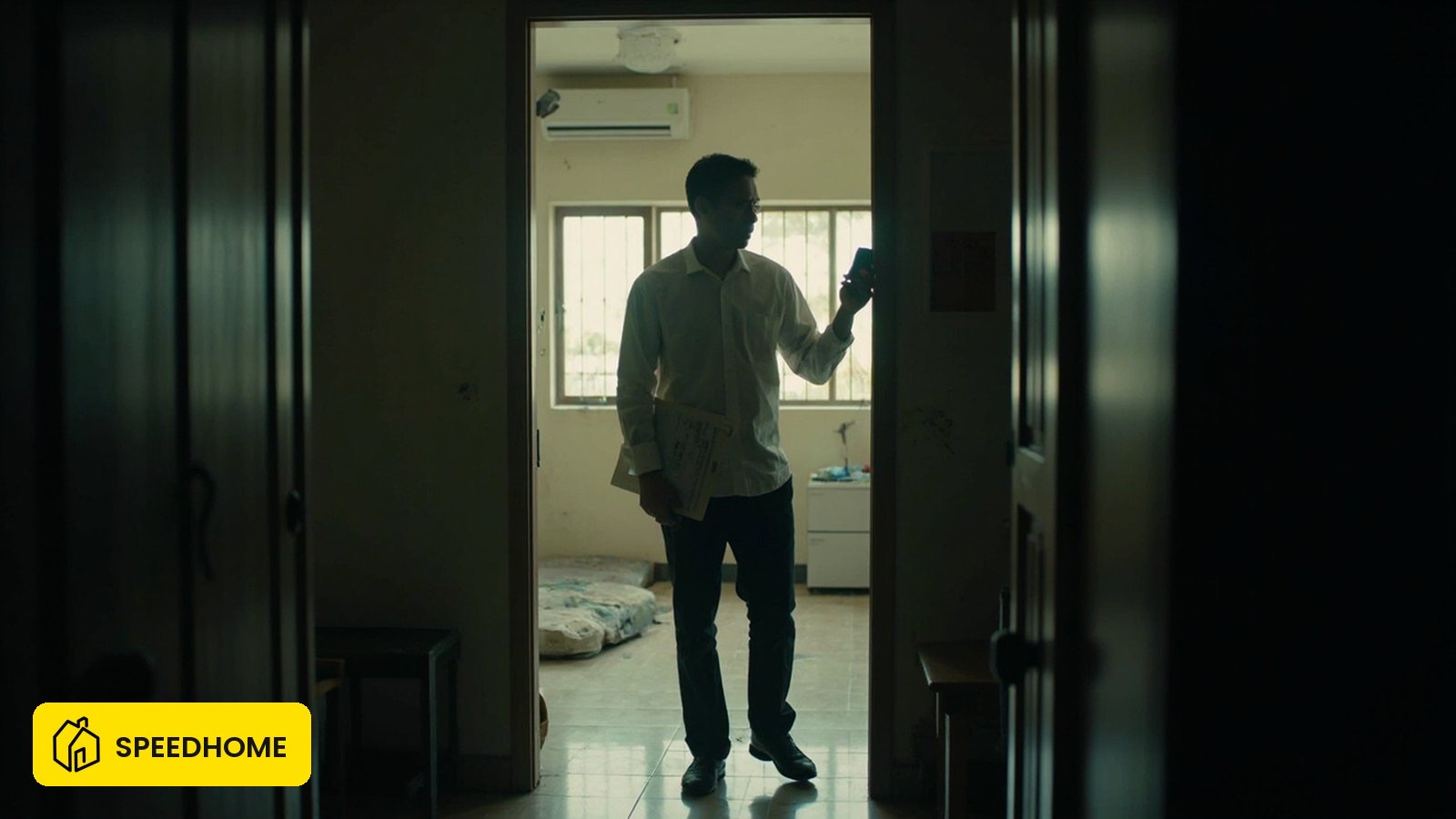
Tenant left without notice and belongings behind — do I still return the deposit?
You still account for the deposit against proven loss only, not against the fact that the tenant left without warning. Abandoned items do not cancel the duty to return what is owed, but unpaid rent, tenant-caused damage beyond fair wear and tear, and unpaid utilities are lawfully deductible where you can prove them. Document everything before you touch the unit or the belongings.
A tenant disappearing with their things still inside feels like abandonment, but in Malaysian law the deposit is governed by the tenancy agreement together with general contract law — there is no statutory residential rent-deposit cap, and a landlord's right to retain is limited to proven loss (Contracts Act 1950 s.74; no Residential Tenancy Act in force). The headline mistake landlords make here is treating the silence as permission to keep everything, throw the items out, and move on. Each of those steps can flip a strong case into a weak one. The pages below walk the lawful recovery path and the deductions framework in depth — this page keeps the lens tight on the deposit decision when notice was never given and items were left behind.
The deposit decision when there was no move-out notice
The absence of written notice does not by itself create a deduction. What creates a lawful deduction is a proven loss — unpaid rent for the notice period the agreement requires, documented damage beyond fair wear and tear, or unpaid utility bills at the true move-out date. Without proof, the default position is to return the deposit, less only what you can evidence.
When a tenant walks without notice, two clocks run at once: the rent clock (did they owe rent for the notice period the tenancy agreement sets?) and the damage clock (what did they actually leave behind, in what condition?). Both are decided by evidence, not by how the departure felt. Fair wear and tear — faded paint, minor scuffs, worn flooring — is not deductible; only tenant-caused damage beyond fair use is. The deposit-return process is the same one covered in our security deposit deductions in Malaysia guide, just under time pressure because the unit is sitting empty and the tenant is unreachable.
| What you found at move-out | Lawfully deductible from the deposit? | What you need to prove it |
|---|---|---|
| Rent owed for the notice period the agreement requires | Yes | Tenancy agreement clause + rent ledger showing the gap |
| Unpaid TNB / water / internet bills at the move-out date | Yes | Final bills in the tenant's name, dated |
| Damage beyond fair wear and tear (broken fixture, burns, holes) | Yes | Move-in vs move-out photos + a repair quote |
| Fair wear and tear (faded paint, minor scuffs, worn flooring) | No | — not deductible; do not bundle it in |
| The fact that they left without giving notice | No, on its own | Notice is owed as rent under the TA clause, not as a deposit penalty |
| The inconvenience of dealing with abandoned items | No | Emotional cost is not a lawful deduction |
The pattern to notice: every "yes" row is a proven loss, every "no" row is a feeling. A deposit held back on feelings is the deposit most likely to come back as a Small Claims filing.
The abandoned items — what the law actually lets you do
You cannot lawfully seize, discard or sell the tenant's belongings to punish the departure or to offset the deposit. Self-help disposal of a tenant's property is the fastest way to turn a defensible deposit retention into an actionable wrong against you, even when the tenant clearly owed you money. Locking the tenant out, removing doors, or disconnecting water or electricity to force a resolution is equally unlawful — recovery of possession and property must go through the lawful process, not private force. Our guide on why you cannot lock a tenant out or disconnect water or electricity covers the line in full.
The practical, lawful sequence is to (1) photograph the items in place with a date stamp, (2) list them on a written inventory, (3) store them safely rather than discarding them, and (4) give the tenant written notice — by every channel you have, including the contact details in the tenancy agreement — that the items are being held and for how long, and that storage cost may be recoverable. Malaysian law does not give a landlord an automatic lien to sell abandoned goods to cover a deposit; that step needs either the tenant's written agreement or a court order. If you genuinely cannot reach the tenant after reasonable attempts, the lawful route to resolve both the deposit and the belongings is a civil-court claim, not a self-help clear-out.
| Action on abandoned items | Lawful? | Why |
|---|---|---|
| Photograph and inventory the items in place | Yes | Builds the evidence record you will need either way |
| Store the items safely and notify the tenant | Yes | Preserves the property; shows good faith |
| Hold storage cost as a recoverable item | Likely, with proof | Keep dated receipts; tie it to a written notice |
| Discard or dump the belongings to free the unit | No | Disposal without consent or a court order is a wrong against the tenant |
| Sell the items to recover the unpaid rent or deposit gap | No, not on your own | Needs the tenant's written agreement or a court order |
| Lock the tenant out or block the access card to pressure them | No | Self-help possession is unlawful regardless of what they owe |
Step-by-step: securing the unit and the deposit position
Treat the first 48 hours as an evidence-gathering window, not a clean-up window. Everything you document now is what you will rely on if the deposit is disputed later; everything you change first is evidence you have destroyed. The order below keeps both the unit and your deposit position defensible.
| Step | Do this | Why it matters for the deposit |
|---|---|---|
| 1 | Photograph the unit and the abandoned items in place, date-stamped | Fixes the true move-out condition before anything is moved |
| 2 | Write a room-by-room inventory of what was left | Separates "their property" from "your loss" cleanly |
| 3 | Read the final TNB, water and internet meters; keep the bills | Proves the utility line you may deduct |
| 4 | Pull the rent ledger and the tenancy agreement's notice clause | Shows exactly how much notice-period rent is owed, if any |
| 5 | Send a written move-out statement to every contact channel you have | Starts the clock on a lawful, communicated deduction list |
| 6 | Store the items safely; do not discard or sell | Keeps you clear of a self-help-disposal claim |
| 7 | Itemise the deposit: returned amount, each deduction, evidence per line | A clean itemised list is what survives a Small Claims challenge |
Who pays for what — eligibility for deductions and storage
The tenant's deposit is the first pool you draw on for proven loss; storage of abandoned items is recoverable as a cost tied to that loss, but only with dated receipts and a written notice. Where the deposit does not cover the proven loss, the balance is a civil claim against the tenant — not a reason to keep belongings as leverage.
| Cost line | Paid from the deposit? | Conditions |
|---|---|---|
| Unpaid notice-period rent | Yes | Per the tenancy agreement's notice clause + rent ledger |
| Tenant-caused damage beyond fair wear and tear | Yes | Move-in/out photos + repair quote |
| Unpaid final utility bills | Yes | Bills in the tenant's name, dated at move-out |
| Reasonable storage of abandoned items | Yes, as a tied cost | Dated storage receipts + written notice to the tenant |
| Your time, stress or inconvenience | No | Not a lawful deduction |
| Renovations or upgrades you wanted anyway | No | Capital cost, not a proven tenancy loss |
The honest caveat: storage cost is only safe to deduct when you can show you gave the tenant written notice and a reasonable window to collect. Holding items indefinitely without notice, then billing storage, is the kind of deduction a magistrate will strip out.
The penalties and risk if you get this wrong
The real risk in a no-notice departure is not the tenant — it is the landlord overplaying their hand. Keeping the whole deposit without an itemised list, disposing of belongings, or blocking access are the three moves that convert a strong position into a losing one, and they are the moves stressed landlords reach for first.
A tenant who feels wronged has a low-cost route: the Magistrates' small-claims procedure for claims up to RM5,000 needs no lawyer, and a clean itemised deduction list is the single document that decides whether the landlord keeps the money. Malaysia has no dedicated residential tenancy tribunal, so the dispute is a private contract matter decided in the civil courts; fair wear and tear is not deductible, and a landlord who cannot show evidence loses the deduction. The deeper recovery path — when rent is owed and the tenant has truly gone — is laid out in our guide on what to do when a tenant abandons the property.
| Risky move | What it costs you |
|---|---|
| Keeping the full deposit with no itemised list | Loses the deduction in a Small Claims challenge |
| Discarding or selling the abandoned items | Opens a separate wrong against the tenant, on top of the deposit fight |
| Locking the tenant out or disconnecting water or electricity | Self-help possession — unlawful regardless of what is owed |
| Batching fair wear and tear into "damage" | Stripped out at challenge; weakens your whole list |
| No written notice before billing storage | Storage deduction likely removed |
Worked example — a typical Klang Valley departure
Picture a RM1,800 monthly condo where the tenant stops replying, rent is two weeks overdue, and the unit is left with a mattress, a fridge, and a scuffed wall. The lawful deposit position is built line by line from evidence, not from frustration — and it usually lands well short of "keep everything."
| Line | Amount | Deductible? | Evidence needed |
|---|---|---|---|
| Notice-period rent owed under the TA clause | Per the agreement | Yes | TA clause + rent ledger |
| Final TNB + water bills at move-out | Actual bill | Yes | Dated final bills |
| Wall scuffs (fair wear and tear) | — | No | — not deductible |
| Broken cabinet door (beyond fair use) | Repair quote | Yes | Photo + quote |
| Mattress + fridge left behind | — | No direct deduction | Store; bill storage only with notice |
| Net deposit position | Returned = deposit minus proven loss | — | Itemised list sent to the tenant |
The deposit is the buffer for proven loss, not a fine for leaving badly. Where the gap between the deposit and the proven loss is large, the remainder is a civil claim — handled as a process, the way the tenant not paying rent action kit lays out — not by holding belongings hostage.
The SPEEDHOME angle — evidence is the deposit's real protection
On a managed platform the deposit decision is not made in a panic, because the rent ledger, the move-in condition record, the utility readings and the tenant's contact trail already exist as platform records. The landlord is not reconstructing evidence from memory at 9pm — they are exporting it. That is the structural difference between a defensible deposit retention and a guess.
Zero Deposit is SPEEDHOME's managed rental-risk system — not a financial guarantee product — that replaces the upfront cash deposit, so tenants move in without tying up cash while landlords stay protected through rental protection instead of holding a deposit. For severe end-of-tenancy damage beyond fair wear and tear, the standard protection claims process applies. The relevance to a no-notice departure is direct: where a traditional deposit is the landlord's only buffer and the whole burden of evidence falls on them, the managed model layers screening, a signed and stamped tenancy agreement, a documented move-in condition, and a protection process on top — so a tenant who leaves without notice is a flagged, evidenced case, not a mystery. This is the honest framing competitors will not give you: the deposit was never really the safety blanket, the evidence around it was.
Frequently asked questions
Can I keep the whole deposit because the tenant left without notice?
No. Leaving without notice is owed as rent under the tenancy agreement's notice clause, not as an automatic deposit penalty. You deduct proven loss — notice-period rent, documented damage beyond fair wear and tear, unpaid final bills — and return the balance with an itemised list.
Can I throw out or sell the items the tenant left behind?
Not on your own. Disposing of or selling a tenant's belongings without their written agreement or a court order is a wrong against the tenant, even if they owe you money. Photograph and inventory the items, store them safely, and give written notice before claiming any storage cost.
How long do I have to hold the abandoned belongings?
There is no fixed statutory period in Malaysian residential tenancy law. The safe practice is to store the items, give the tenant written notice through every contact channel in the tenancy agreement, allow a reasonable window to collect, and keep dated receipts — then recover storage as a tied cost with proof.
What if the deposit does not cover the rent and damage they left?
The deposit covers what it can; the remaining proven loss is a civil claim against the tenant. The route is the civil courts (small-claims procedure up to RM5,000, no lawyer needed), not self-help or holding belongings as leverage. Malaysia has no dedicated residential tenancy tribunal for this.
Do I have to return the deposit if I cannot reach the tenant?
You account for it the same way — itemised deductions against proven loss — and keep the records. The duty to return what is owed is not cancelled by the tenant being unreachable; you hold the balance and the evidence, and resolve any dispute through the courts if and when the tenant reappears or files.
Does Zero Deposit change any of this?
It changes the buffer, not the law. Zero Deposit replaces the upfront cash deposit with a managed rental-risk system, so the landlord is not relying on a single cash pool — but proven loss still drives any deduction, evidence still decides it, and abandoned items are still handled lawfully.