
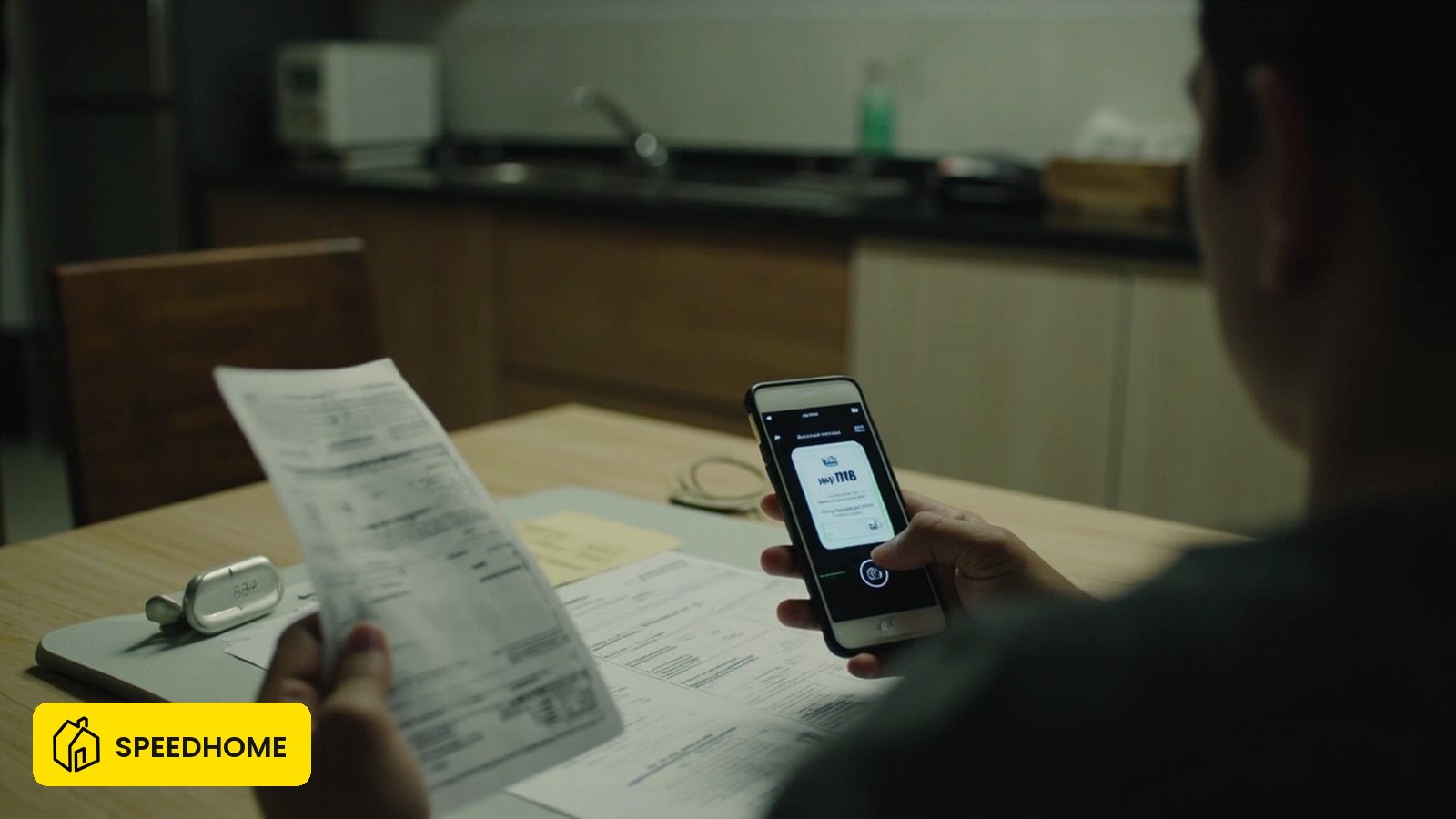
TNB bill up 3x this month with no leak and no aircond fault — what's actually happening?
A TNB bill that spikes 3x in a month with no water leak and no broken air-conditioner almost always traces to one of four causes: a hidden always-on electrical load, an overlapping billing period after a TNB Change of Tenancy, a meter or wiring fault on the landlord's side, or an unauthorised high-load activity (e.g. crypto mining rigs running 24/7). Work through all four in order before assuming a faulty meter — and document everything, because the answer decides who pays.
A surprising 3x jump rarely happens at random. Malaysian residential electricity use is dominated by air-conditioning, water heating and cooking, so when a tenant says "nothing else changed", the answer is usually an always-on hidden load (a second fridge, dehumidifier, server, mining rig, a faulty air-conditioner thermostat that keeps the compressor running) or a meter-reading misalignment — not a tariff change. TNB residential tariffs are stable, so a tariff shift shouldn't be your first assumption; the bill itself, the meter reading history in the myTNB app, and a physical walk-through of the unit are the three signals that pin down the cause.
For the wider frame of utility responsibility in Malaysian rentals, see the broader TNB Change of Tenancy guide; for the high-load-activity angle in particular, see TNB bill risk when tenants mine crypto.
Four causes to check first, in order
Walk through all four before assuming a faulty meter — each has a different paper trail and a different party that ultimately pays.
| Possible cause | What to look for | Who usually pays |
|---|---|---|
| Hidden always-on electrical load | A second fridge, dehumidifier, server, gaming PC left on, aquarium heater, or a faulty air-conditioner thermostat that never cuts out | Tenant (they used the electricity) |
| Overlapping billing period after a Change of Tenancy | The first bill after a TNB account transfer often covers a longer-than-usual period, so the RM total looks high even though daily kWh is normal | Tenant (but check kWh, not just RM) |
| Meter or wiring fault on the landlord's side | The myTNB reading doesn't match the physical meter, or similarly-sized neighbour units report normal bills | Landlord / TNB investigation |
| Unauthorised high-load activity (e.g. crypto mining) | Constant fan noise, several GPUs or ASICs each drawing 1kW+, heat from a closed room, separate wiring or extension leads bypassing the normal socket arrangement | Tenant — see TNB bill risk when tenants mine crypto |
The first useful move inside the myTNB app is to compare kWh used, not just the RM total. A 3x RM jump with normal kWh readings usually points to an overlapping billing period or a tariff-block shift inside the same bill; a 3x kWh jump with a normal RM/kWh ratio points to a real load problem.
How to read the TNB bill and meter before you do anything
Pull the last six months of bills from the myTNB app and note the kWh, not just the RM. A kWh spike points to a load issue; flat kWh with a higher RM points to a billing or tariff issue.
Patterns that separate the causes:
- Same kWh, higher RM — overlapping billing period after a Change of Tenancy, or a tariff-block jump inside the same bill. TNB residential block tariffs rise at higher monthly kWh, so the same usage can land in a higher block once the overlap clears.
- Higher kWh, same RM/kWh ratio — a real load increase. Walk the unit with a torch and look for new appliances, a hot room, a compressor that stays on, or a wall socket that hums.
- The myTNB reading doesn't match the physical meter on the wall — possible meter fault. Photograph both side by side and file a TNB enquiry; don't open the meter yourself.
- Similar neighbour units reporting normal bills in the same month — strengthens the case for load, not tariff.
If the cause is a hidden appliance load on the tenant's side, the bill falls to the tenant under the tenancy agreement's standard utility clause; if the cause is a meter or wiring fault, the landlord carries it and the path is a written report plus a TNB investigation request. The broader rules on who pays utility bills in a Malaysian tenancy follow the standard tenancy utility clause and the Contracts Act 1950; for the fuller TNB Change of Tenancy process see the TNB Change of Tenancy guide and available rentals on SPEEDHOME.
Crypto-mining case: why it produces a 3x bill and what to document
Crypto-mining rigs draw sustained high load (typically 1kW to 3kW per rig, 24 hours a day, every day), so even one rig can triple a typical household's monthly kWh. The tell-tale signs are constant fan noise, heat from a closed room, and separate wiring or extension leads bypassing the normal socket arrangement.
Crypto mining itself is not illegal in Malaysia, but running it inside a rented unit without the landlord's written consent almost always breaches the tenancy agreement's utility and modification clauses, and the electricity cost falls back on the tenant. What usually moves a landlord or property manager to act isn't the rig itself but the bill — a 3x spike with no obvious cause triggers an inspection. The documentation that protects both parties is the same whichever direction it goes: timestamped photos of the meter before and after, a written record of the spike, and the kWh history from myTNB.
If you're a tenant accused of mining purely on the basis of a high bill, you're entitled to a proper inspection rather than a one-sided assumption; the lawful remedy for a landlord who suspects unauthorised use is a written request and the tenancy agreement, not disconnecting water or electricity or locking the tenant out, which counts as unlawful self-help. SPEEDHOME's full frame for this case is in TNB bill risk when tenants mine crypto.
What to do this week, step by step
Pull six months of bills, compare kWh with the neighbours, walk the unit to find always-on loads, and put the cause in writing before anyone deducts anything from the deposit.
- Download the last six months of TNB bills from the myTNB app. Note the kWh used each month and the billing-period dates. A 3x kWh jump is the real signal.
- Walk the unit with a torch. Look for a second fridge, dehumidifier, server, gaming PC, aquarium heater, or a closed-off room that's hot. Listen for a compressor or fan that keeps running when the air-conditioner is off.
- Compare with the neighbours. Similar units in the same block with normal bills that month rule out a tariff or whole-building issue.
- Check the meter reading on the wall against the myTNB reading. Photograph both side by side; if they don't match, file a TNB enquiry before paying the disputed amount.
- Put the cause in writing. Whether you're the landlord reporting a suspected spike or the tenant disputing a charge, a dated written record with photos is what protects the deposit later.
- Don't take self-help action. Disconnecting water or electricity to force payment or to "prove" mining is unlawful in Malaysia; remedies must go through written requests, the tenancy agreement and the civil court if the dispute can't be resolved.
FAQ
My TNB bill is up 3x but I didn't change anything — could it be a faulty meter?
It could, but meter faults are rarer than load faults. Compare the kWh in the myTNB app with the physical meter reading and ask what similarly-sized neighbour units were billed that month. If kWh really tripled and your usage didn't change, that points to an always-on hidden load rather than the meter.
Is it legal for a tenant to run crypto-mining rigs in a Malaysian rental?
Mining itself is not illegal, but running rigs in a rented unit without the landlord's written consent usually breaches the tenancy agreement's utility and modification clauses, and the electricity cost falls on the tenant. The lawful remedy for a landlord who suspects mining is a written request and an inspection, not disconnecting water or electricity or locking the tenant out.
Can a landlord cut electricity or water to force a tenant to pay a high TNB bill?
No. Disconnecting water or electricity or locking the tenant out to pressure payment is unlawful self-help, regardless of how clearly the bill looks; remedies must go through the tenancy agreement, written requests, and the civil court if needed.
Who pays if the spike traces to a meter or wiring fault on the landlord's side?
The landlord or TNB, after a written report and a TNB meter investigation. The tenant should not pay a disputed amount that traces to a meter or wiring fault; the myTNB kWh history and meter photos are what decide this.
Will a 3x spike affect my deposit when I move out?
It can, if the tenancy agreement puts utility responsibility on the tenant and the spike traces to tenant-side use. The landlord's right to retain deposit is limited to proven losses, so a documented cause, the myTNB kWh history and any inspection findings are what determine a contested deduction — and any disagreement is a civil matter, because there is no dedicated residential tenancy tribunal to hear it.
The bill looks normal in kWh but the RM is 3x higher — what does that mean?
Usually an overlapping billing period (common right after a TNB Change of Tenancy) or a tariff-block jump inside the same bill. Compare the billing dates in the myTNB app with previous bills; if the period covered is more than 30 days, divide the kWh by the number of days to get a comparable daily figure before concluding there's a real spike.
General information about Malaysian utility billing and rental practice; not legal advice. The cause of any specific TNB spike should be verified against the myTNB app, the physical meter reading, and where needed a TNB enquiry or a qualified electrician. Brand: SPEEDHOME, SPEEDRENO, SPEEDFIX, SPEEDSIGN.
See available rentals on SPEEDHOME to find listings with clear utility and tenancy terms from day one.