
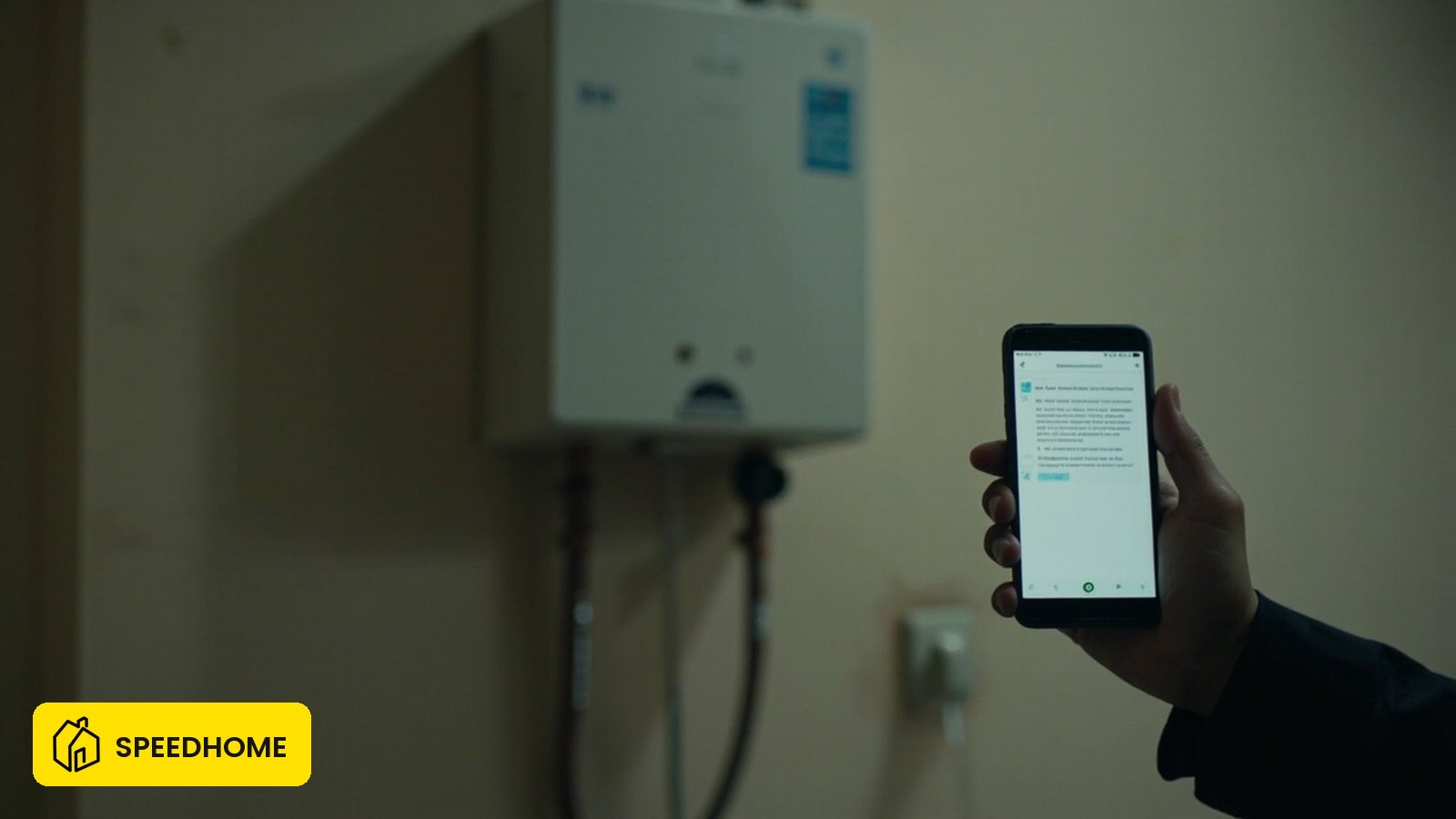
The landlord installed a brand-new water heater before I moved in; now it has broken after 1 year — who pays?
There is no single answer in Malaysian law because there is no dedicated tenancy statute fixing who repairs a fixture. The starting point is your tenancy agreement and general contract principles: if the agreement is silent, the landlord typically covers a structural or built-in fixture like a water heater, while the tenant covers damage they caused. "It was new at move-in" is strong evidence it was not your fault — but you still have to raise it in writing first.
Because Malaysia has no Residential Tenancy Act in force as of 2026, residential tenancies are governed by the agreement you both signed together with general law (the Contracts Act 1950 and the ordinary civil courts), not by a dedicated tenancy statute or tribunal. That means the outcome turns on two things: what your agreement says about repairs, and what the evidence shows about why the unit failed.
The detail: how "new at move-in" changes the analysis
A water heater that was installed new right before your tenancy is a built-in fixture, not something you brought with you. That shifts the conversation away from tenant-caused damage and toward the landlord's responsibility for the condition of the unit they handed over.
The reason "brand new before move-in" matters is that it gives you a clean baseline. A fixture supplied by the landlord is presumed to be in working order at handover; if it fails within a short period without misuse on your part, the most natural reading is wear, manufacturing fault, or installation fault — none of which a tenant normally pays to fix. The risk to your deposit only arises if the landlord can show you caused the failure (for example, running it dry, physical damage, or an unauthorised modification).
The decisive practical steps are: report the fault to the landlord in writing the day it breaks, keep the message, ask who they will send, and photograph the unit and any error state. Reporting promptly protects you twice — it prevents the failure from being blamed on neglect, and it creates a timestamped record if the cost ever gets pulled into a deposit dispute. For the broader framework, see our rental property repair and maintenance guide.
Who pays for the water heater, and the evidence that decides it
The table below sets out the most common situations and who normally bears the cost. None of this is fixed by statute — it is the default reading of a silent tenancy agreement under general contract principles, and your agreement can override it.
| Situation (silent agreement) | Who normally pays | Evidence that decides it |
|---|---|---|
| New water heater fails on its own after 1 year, no misuse | Landlord (fixture supplied by landlord, presumed working at handover) | Move-in photos showing it new and installed; written fault report dated when it broke; no sign of damage |
| Heater fails because the tenant misused or damaged it (physical impact, running dry, unauthorised modification) | Tenant | Landlord's inspection showing misuse; admissions in messages; installer's note |
| Heater fails from simple wear and tear of parts over time | Landlord (wear of an ageing landlord fixture is not tenant damage) | Age of unit; service history; no misuse |
| Agreement states tenant maintains "all appliances and fixtures" | Tenant may be liable for the repair, depending on wording | The exact clause; whether "fixture" vs "appliance" is distinguished |
| Disagreement over cause, and the cost ends up deducted from your deposit | Either — resolved by the evidence, not by a tribunal | Your written report, move-in baseline, and any inspection findings |
Two things to notice. First, a charge for a failing new heater is treated like any other deposit deduction: the landlord's right to retain is limited to proven loss, not a flat penalty. Second, if you and the landlord genuinely cannot agree, there is no dedicated residential tenancy tribunal to take it to — it is a private contract matter for the civil courts, with the small-claims procedure available for lower-value claims. Read our aircond servicing guide for the same logic applied to another common landlord-supplied fixture.
What to do right now (and what not to do)
Report the fault in writing today, ask the landlord to arrange the repair, and hold off on replacing it yourself unless the agreement or the landlord clearly puts the cost on you — paying first and demanding reimbursement is the weakest position.
- Send a written notice. Message the landlord the same day, state what failed and when, and ask how they want it handled. Keep the message.
- Photograph and date everything. The unit as installed (if you have a move-in photo), the current fault, and any water marking. Timestamps defeat "you broke it" claims.
- Do not dismantle or modify it. Opening the unit, bypassing the thermostat, or hiring your own plumber to rewire it weakens your position. A visible, untouched fault is your best evidence.
- Get the cause in writing if anyone inspects. If the landlord sends a technician, ask for a one-line note on why it failed — that note is often the single document that decides a later dispute.
- If the landlord refuses and the unit is essential, propose splitting or fronting the cost with written reimbursement terms — but only if your agreement or the landlord actually agrees to repay. Keep receipts.
The one move to avoid is replacing the heater at your own cost without agreement and then trying to claw it back later; without prior written terms, a reimbursement claim is hard to prove. The same evidentiary discipline protects you at move-out — our guide to who pays unpaid utilities covers the related case of bills and deposits at handover.
A note on Zero Deposit and this kind of repair
If you rented through SPEEDHOME's Zero Deposit, you skipped the upfront cash rental deposit — but Zero Deposit is a managed rental-risk system, not a financial guarantee product, and it does not change who repairs a failing fixture. The heater question is still a repair-and-evidence matter between you and the landlord, governed by your agreement and general contract law. Zero Deposit only affects the rental security deposit side, and in the rare case of severe end-of-tenancy damage the recoverable amount can be limited. To find rentals where the deposit side is handled this way, browse verified rentals on SPEEDHOME.
FAQ
My tenancy agreement is silent on repairs — is the landlord legally required to fix the water heater?
Not by a dedicated statute. With no Residential Tenancy Act in force, the default is general contract law: a built-in fixture the landlord supplied is presumed to be in working order at handover, so a failure you did not cause is normally the landlord's to repair. Put the request in writing; the agreement and the evidence control the rest.
The landlord says I must pay because it is an "appliance" — is that right?
Only if your agreement clearly assigns appliance or fixture maintenance to the tenant. A water heater plumbed into the unit is usually treated as a built-in fixture, not a portable appliance you brought in. Check the exact wording of your clause before agreeing to pay.
Can the landlord just deduct the heater cost from my deposit?
The landlord's right to retain deposit is limited to proven loss, not an automatic penalty. If the heater failed on its own, deducting it from your deposit would have to be justified against your written fault report and move-in baseline — and a disputed deposit deduction is a civil matter, since there is no dedicated residential tenancy tribunal.
The heater is under a manufacturer warranty — does that help?
It can, if the warranty still applies and the landlord registered it. A warranty claim usually means the part or unit is replaced at no or low cost, which removes most of the dispute. Ask the landlord whether the unit was registered and whether the warranty is still valid; we do not assert specific warranty periods here because they vary by brand.
What if I just want it fixed fast and the landlord is slow?
Report it in writing, give a reasonable window to respond, and keep every message. For an essential fixture like hot water, document the delay calmly rather than paying and demanding reimbursement with no prior agreement — a clean written record is what protects your deposit if the cost is ever disputed.