
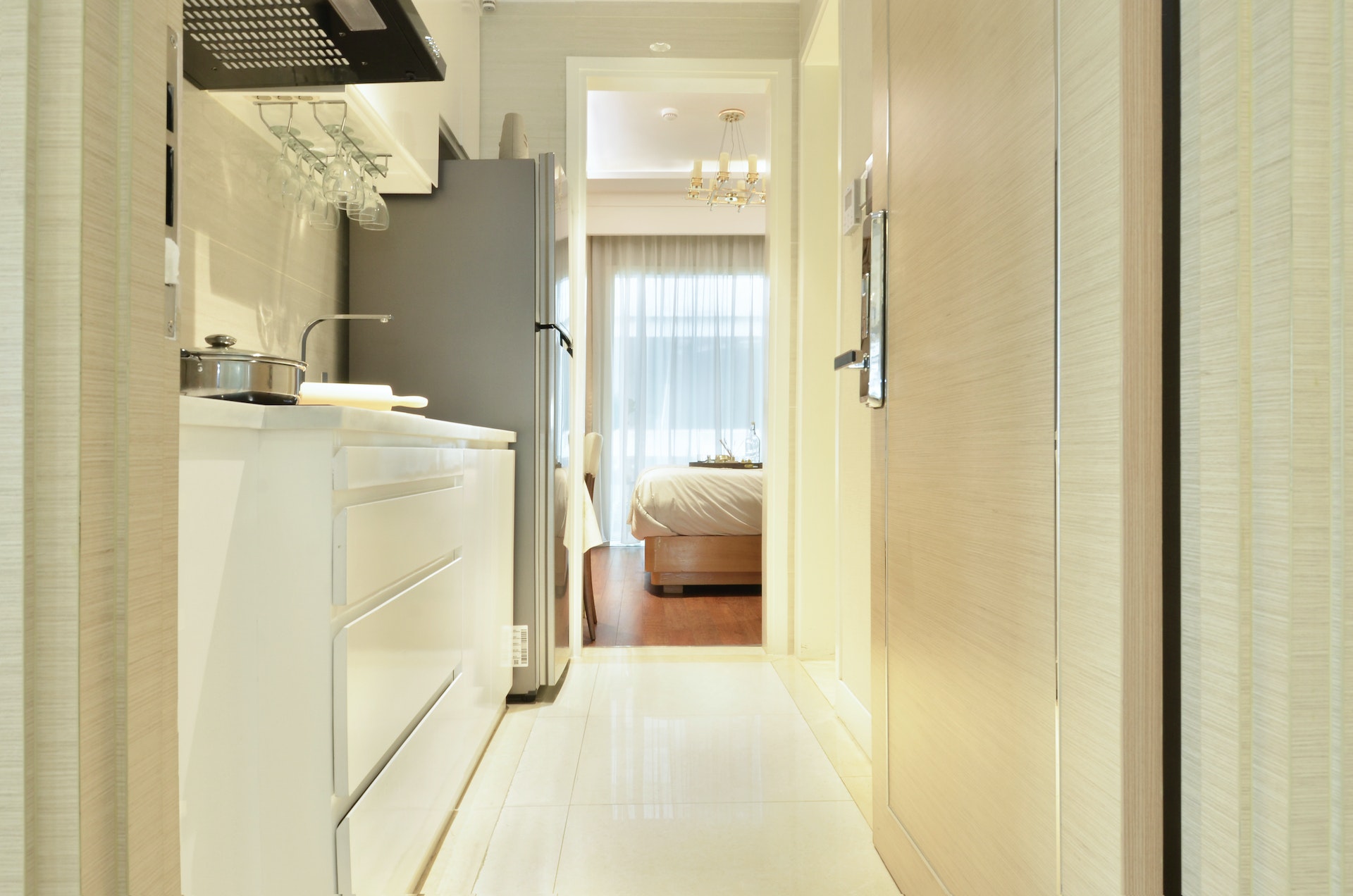
SPEEDRENO is the rent-ready path for exactly this refresh: a durable, neutral, tenant-ready fit-out scoped around the listing, from about RM16,000 (median about RM18,000 all-in). The best renovation for your rental income is a refresh, not a makeover. Platform survey data indicates that 83% of tenants want a clean, furnished, and ready unit — none of which requires designer finishes. Ranked by what actually moves letting speed and rent, the highest-ROI work is making the unit look refreshed and tidy: deep clean, repaint, recover tired fixtures, declutter, and fix the entrance. Aesthetic upgrades — premium kitchen refits, new flooring for looks, feature walls — are the low-ROI foil: they cost the most and the market does not pay for them below the premium band. The seven ideas below are ordered by that refresh-ROI logic, with the payback math to check each one against.
The refresh-cost baseline behind these seven ideas — 2026 snapshot (figures current as of 2026-10):
| Item | 2026 figure / status |
|---|---|
| SPEEDRENO rental fit-out starting cost per unit | Roughly RM16,000-20,000 |
| Typical traditional renovation band for a comparable scope | RM30,000-50,000 |
| SPEEDRENO mass-market fit-out capex, 3-bedroom unit | RM 20,000 lean (durable, neutral, tenant-ready) / RM 40,000 premium |
| SPEEDRENO fit-out capex, 4-bedroom unit | RM 28,000 lean / RM 55,000 premium |
| SPEEDRENO scope discussions for a smaller unit | Start from RM 15,000 (planning assumption, not a frozen promise) |
| Tenants who want a clean, furnished, and ready unit | 83% (SPEEDHOME survey data) |
1. Why deep clean and declutter before anything else?
A professional-grade deep clean and a ruthless declutter are the cheapest way to lift a listing, because cleanliness is the single strongest signal tenants read at a viewing.
Every viewing is judged on condition before design. Grout lines, kitchen grease, bathroom glass, window tracks, balcony floor and appliance interiors are what make a unit feel tired — and none of them are renovation problems. Clear out everything you have stored in the unit as well: leftover furniture, personal items, half-used fixtures and old curtains. An empty, spotless unit photographs better and shows better than a cluttered freshly-renovated one.
This is also where the 83% fact does its work: "clean, furnished, ready" starts with clean. Units that present as clean, fully furnished and move-in ready fill in a median of 16 days on SPEEDHOME — roughly half the vacancy period of comparable units that still need repair or refit work before re-listing. The deep clean is the cheapest head start on that clock you can buy.
2. Why repaint in a light, neutral, washable finish?
A fresh coat of paint in modern, neutral colours resets the perceived value of every room at the lowest cost per square foot of any renovation spend.
Opt for light, neutral colours that make rooms feel bright and larger, and set a positive first impression from the listing photo onward. In a Malaysian rental, use a washable matt finish on the walls that take contact — corridors, bedrooms at furniture height, dining areas — because a washable surface survives tenant turnover and wipes down between tenancies instead of needing a repaint. Paint is a refresh tool, not a design statement: one neutral scheme across the unit, no feature walls.
Room-cost frame (Repainting): While a whole-unit rent-ready refresh typically sits around RM8,000-RM25,000 for a 2-3 bedroom condo (speedreno-rent-ready-refresh-band-20260910), individual room repainting costs depend heavily on surface condition and contractor mobilization RESEARCH-NEEDED(per-room repaint and fixture cost).
3. Why recover tired fixtures instead of replacing rooms?
Swapping dated or worn fixtures — taps, shower heads, handles, mirrors, lights — delivers the visual gain of a bathroom or kitchen makeover at a fraction of the cost.
The classic "bathroom makeover" and "kitchen upgrade" do not need to mean retiling or refitting. Refresh the grout, replace yellowed or scuffed fixtures with something shiny and new, hang a clean mirror, swap cabinet handles, and put in modern lighting. These are cosmetic-recovery moves: they change what the viewer sees and touches in the first thirty seconds, which is where the rent decision is actually made. Keep new fittings standard and replaceable so that a failure later is a repair, not a project.
Room-cost frame (Fixture Recovery): Within an overall RM8,000-RM25,000 whole-unit refresh budget (speedreno-rent-ready-refresh-band-20260910), recovering existing room switches, handles, and lighting fixtures restores tenant appeal at a fraction of full replacement spend RESEARCH-NEEDED(per-room repaint and fixture cost).
4. Why fix the first impression: curb appeal and entry?
A tidy entrance, trimmed greenery and clean house numbers raise the viewing experience before the door opens, at close-to-zero cost.
First impressions are formed at the lift lobby and the doorstep. Landscaping, a tidy entrance, fresh house numbers and low-maintenance local plants instantly improve how the property reads. Inside a strata building the same logic applies to the door, the door frame, the name plate and the corridor-facing windows. A welcoming exterior sets the stage for a positive viewing — and it is the cheapest of the seven ideas after the deep clean itself.
5. Add practical storage where tenants struggle
Built-in shelves, under-bed storage and multi-use furniture make a unit feel more functional — especially in city units where space is the constraint.
Tenants in cities like Kuala Lumpur and Penang struggle to fit their lives into standard condo layouts. Practical storage — wardrobe organisers, hallway shelving, beds with storage drawers, extendable dining tables — makes your unit feel more liveable than the identical unit one floor down. Prefer loose, modular storage over fixed carpentry: it can be repaired or rearranged between tenancies instead of locking the layout in place.
Room-cost frame (Practical Storage): Allocating funds for freestanding or modular wardrobes fits neatly within a practical refresh budget, avoiding expensive built-in carpentry while keeping tenant rooms competitive RESEARCH-NEEDED(per-room repaint and fixture cost).
6. How do energy-efficient basics cut running costs?
Energy-saving lights, ceiling fans and low-flow showerheads lower the tenant's utility bill and widen the pool of tenants who can afford the unit.
Switching to energy-saving lights, installing ceiling fans, and upgrading to low-flow showerheads reduces your tenants' utility bills and appeals to renters who watch monthly costs. These upgrades are inexpensive, standard, and replaceable — and because they change the running cost of the home rather than its looks, they keep paying through every tenancy instead of dating like a design trend.
7. Kitchen and flooring: upgrade only what blocks the letting
Premium kitchen refits and new flooring for appearance are the low-ROI end of renovation spend — do the cosmetic recovery, skip the designer upgrade, unless damage or function genuinely blocks the letting.
The kitchen matters to renters, so make it clean, complete and working: doors that close, handles that match, appliances that run. Sourcing cabinet doors, handles and appliances locally keeps the cost sensible. But a premium refit priced like a design project rarely returns in rent. Flooring is the same: in Malaysia, tile is the dominant and most durable rental surface — scratch-proof, easy-clean and deposit-safe. Laminate and vinyl can rescue a damaged floor, but replacing sound flooring for a nicer look is spending the market does not repay. The SPEEDRENO worked example puts numbers on it: a RM40,000 "pretty" fit-out typically lifts achievable rent to about RM2,200 a month, while a RM20,000 "smart" durable, neutral fit-out typically lifts it to about RM2,000 — an 8-year payback on the extra RM20,000 of pretty spend, before vacancy and maintenance. Run your own numbers in the renovation ROI calculator before signing any quote.
| Rental Renovation Strategy (Smart Refresh vs Pretty Makeover) | Indicative Fit-Out Capex | Achievable Monthly Rent | Core Scope & Key Interventions | Payback Horizon & Tenant Appeal |
|---|---|---|---|---|
| "Smart" Durable & Neutral Refresh | RM20,000 (SPEEDRENO route from ~RM16,000, median ~RM18,000 all-in) | About RM2,000 / month | Deep clean, washable neutral paint, fixture recovery, entrance curb appeal, practical storage, energy-saving basics | High ROI; satisfies 83% of tenants seeking clean, furnished, ready units; fills in a median of 16 days on SPEEDHOME |
| "Pretty" Aesthetic Makeover | RM40,000 (traditional contractor-plus-agent runs RM30,000–RM35,000) | About RM2,200 / month (marginal RM200/mo lift) | Premium kitchen refits, new flooring over sound tile, feature walls, plaster ceiling detail, custom built-ins | 8-year payback on the extra RM20,000 spend before vacancy and maintenance; market does not pay extra below premium band |
Which renovations increase rent the most (and which do not)
The best renovations to increase rent focus on tenant-readiness and durable utility rather than visual luxury. When ranking rental room and property upgrades by return on investment, high-impact refreshes consistently outperform structural overhauls:
- Deep cleaning and decluttering: Eliminates immediate tenant objections during viewings at the lowest possible cost.
- Washable neutral repaint: Brightens interiors and creates the clean aesthetic renters prioritize.
- Practical tenant storage: Providing functional wardrobes solves immediate rental room utility constraints.
- Fixture and hardware recovery: Restores switches, taps, and door handles without replacing sound infrastructure.
- Entryway and curb appeal: Secures positive first impressions before prospective tenants inspect rooms.
- Energy-efficient essentials: LED lighting and serviced air conditioning lower tenant utility friction.
- Cosmetic kitchen and flooring overhauls: The lowest-yielding spend; upgrade only when structural defects block a tenancy.
The commercial math behind this ranking is demonstrated in the SPEEDRENO worked example (speedreno-deck-worked-example-2026): spending RM40,000 on a "pretty" fit-out typically lifts achievable rent to about RM2,200 per month, whereas spending RM20,000 on a "smart" durable refresh lifts achievable rent to about RM2,000 per month. The extra RM20,000 spent on decorative finishes delivers only RM200 per month in marginal rent, requiring an 8-year payback period before accounting for vacancy or maintenance.
Landlords seeking an additional yield lever can also adopt a pet-friendly policy. Permitting pets provides a directional rent uplift of 10-20% (~RM200-400 per month on a RM2,000 per month unit, speedreno-pet-friendly-rent-uplift-10-20pct) based on operator observations, expanding tenant demand without incurring additional renovation capital.
Renovating a rental property: the decision order
When planning a rental house renovation or upgrading rental rooms, follow a disciplined decision sequence to prevent overcapitalization:
- Assess condition against target rent: Inspect the unit to determine whether unaddressed defects or dated presentation are suppressing achievable rent.
- Execute refresh-first upgrades: Maximize high-impact, low-cost interventions (deep cleaning, neutral paint, fixture recovery, modular storage) within an RM8,000-RM25,000 whole-unit refresh framework (
speedreno-rent-ready-refresh-band-20260910). - Standardize fit-out scope: If the property requires full furnishings, deploy a dedicated rental fit-out starting from roughly RM16,000-20,000 (median ~RM18,000 all-in) rather than traditional contractor quotes of RM30,000-35,000 or full traditional renovations running RM30,000-50,000 (
speedreno-cost-comparison-band-2026,speedreno-cost-band-2026). - Gate full renovations: Approve major interior alterations only if market rents support the capital expenditure.
Before signing contractor quotations, evaluate your payback timeline using the renovation ROI calculator for rental property. Review scope differences in SPEEDRENO vs traditional renovation cost in Malaysia and explore end-to-end fit-out packages at SPEEDRENO rental fitout Malaysia.
When you want the refresh handled end to end
This is the fit-out path built for exactly this thesis: a durable, neutral, tenant-ready refresh from about RM16,000 (median about RM18,000 all-in), against a traditional contractor-plus-agent route that typically runs RM30,000 to RM35,000 for a comparable scope.
The fit-out service scopes the refresh around the listing — what to fix, what to leave — so the spend lands on rent-readiness instead of everything. The fit-out is payable by credit card, a payment convenience on the quotation rather than a financing product. If the unit is empty and the refresh list above looks long, get a fit-out quotation and compare it against your own DIY shortlist on the same scope before deciding. For the durability logic behind the skip list, see why pretty renovations fail twice — and remember that sharper listing photos rent a clean unit faster than a pricier renovation does, as the photos vs renovation comparison sets out.
Maximize Your Rental Yield with SPEEDRENO
Avoid sinking capital into expensive cosmetic renovations that fail to generate proportional rent. SPEEDRENO provides durable, yield-calibrated rental fit-outs starting from roughly RM16,000-20,000 per unit (median ~RM18,000 all-in), compared to traditional contractor and agent routes running RM30,000-35,000. Clean, fully furnished, move-in-ready units achieve a 16-day median fill on SPEEDHOME (speedhome-16day-median-fill-2026), cutting vacancy across more than 30,000 tenancy agreements managed across Malaysia (speedhome-agreements-volume).
Get a fixed-price rental fit-out quote with SPEEDRENO
FAQ
What are the best renovations to increase rent in Malaysia?
The best renovations to increase rent are practical cosmetic refreshes: deep cleaning, washable neutral repainting, fixture recovery, and modular room storage. A smart RM20,000 refresh achieves about RM2,000 per month in rent, whereas an expensive RM40,000 makeover yields only about RM2,200 per month, requiring an 8-year payback on the additional capex.
When is renovating a rental property worth the capex?
Renovating a rental property is worth the investment when the scope directly resolves tenant objections and pays for itself within a short horizon. For most 2-3 bedroom condominiums, a targeted refresh of RM8,000-RM25,000 delivers full market rent without overcapitalizing.
How should landlords plan a rental house renovation for tenant rooms?
Landlords should prioritize durability, standardized furnishings, and neutral finishes when renovating rental rooms. Focus expenditure on functional storage, working climate control, and solid fixtures while skipping custom carpentry that cannot be easily repaired.
What is the most cost-effective renovation to increase rent?
On SPEEDHOME: A professional deep clean followed by a neutral repaint. They are the two cheapest interventions, they change every viewing, and they serve the exact thing 83% of tenants say they want: a clean, furnished, ready unit.
Which renovations are not worth it for a rental?
Aesthetic upgrades aimed at looks rather than function: premium kitchen refits, new flooring over sound tile, feature walls, plaster ceiling detail and custom built-ins. Below the premium rent band the market does not pay extra for them, and the SPEEDRENO worked example shows the extra RM20,000 of pretty spend taking about 8 years to recover.
How much should I spend renovating a rental in Malaysia?
On SPEEDHOME: Size the spend to the rent band, not to the property. For most mass-market units a refresh scope — cleaning, paint, fixture recovery, curb appeal — plus working appliances and practical furnishing outperforms a premium refit. The renovation spending guide works through the bands.
Does a renovated unit rent faster?
A refreshed, tidy unit rents faster than an over-renovated one, because let-speed tracks condition and presentation, not design budget. Clean, fully furnished, move-in-ready units fill in a median of 16 days on SPEEDHOME.
Should I renovate between tenancies or before listing for the first time?
On SPEEDHOME: Do the refresh before listing in both cases — the vacancy clock is the expensive one. Every empty month on a RM2,000 unit is RM2,000 gone, which is why the refresh items (clean, paint, fixtures, entry) that shorten time-to-list come first in the ranking.