
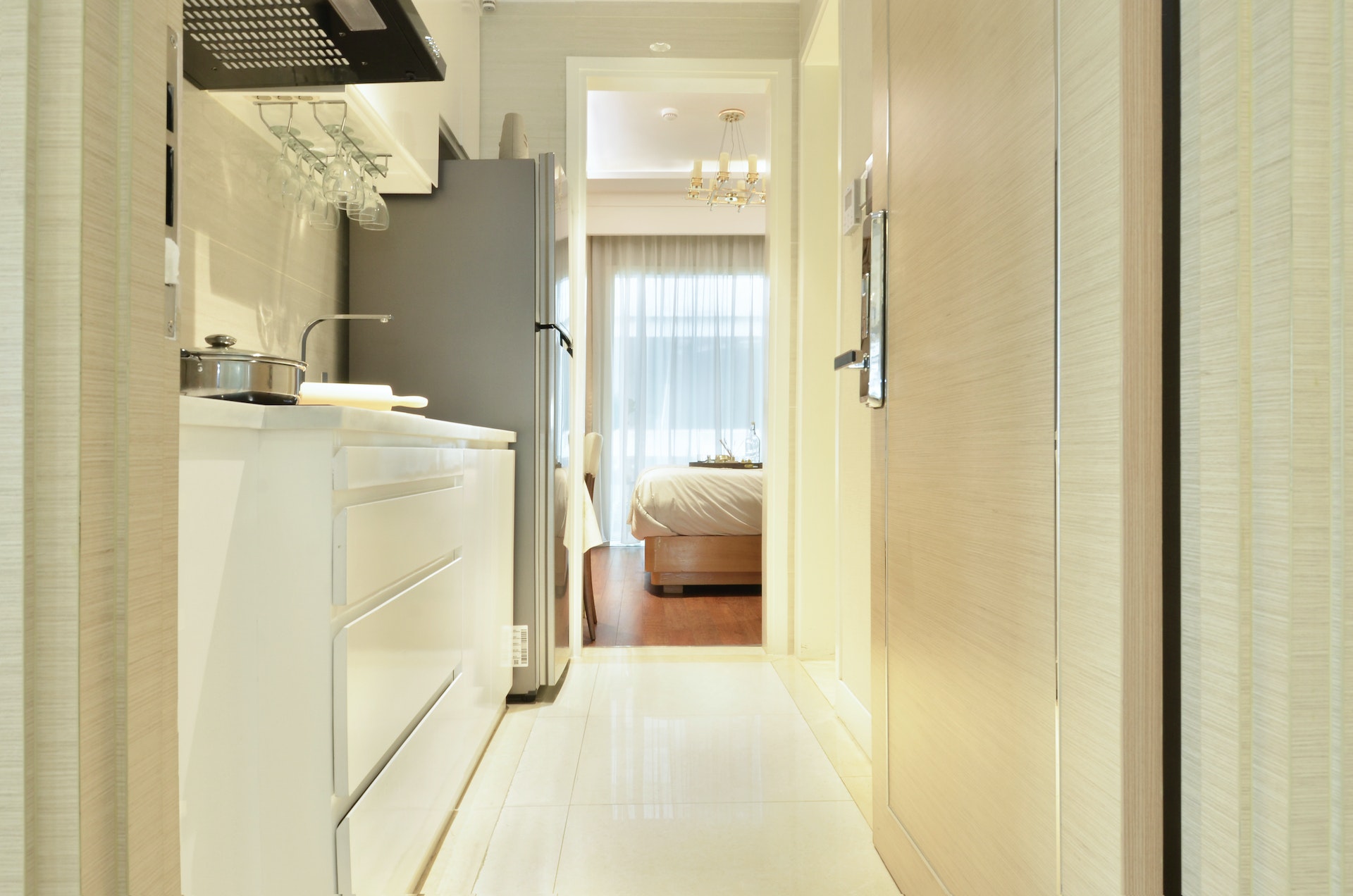
Furnishing a Kuala Lumpur rental condo accelerates leasing, with furnished units closing in a median of 16 days compared to 27 days for unfurnished ones. A sensible RM10,000 to RM15,000 investment for a one-bedroom apartment should pay for itself within roughly eight months of additional rent, improving your true annual yield.
Furnishing a KL condo for rental works when it solves the tenant's move-in day first and the landlord's yield second. Durable, neutral, easy-to-clean basics beat premium styling for most mass-market units. Across SPEEDHOME platform listings in 2024-25, furnished KL condo units leased in a median of 16 days vs 27 days for unfurnished comparable units in the same building - a yield-tuned furnish shortens vacancy, not just rent. Furnishing for the tenant, not the landlord's eye, is the lever.
What is the right way to furnish a KL condo for rental?
Solve the tenant's move-in day first: sleeping, working, cooking, storage, cooling, lighting and basic comfort.
Smart furnish means standard-size, replaceable, easy-to-clean pieces in neutral tones - the items a tenant uses daily without thinking. The unit has to photograph well, survive daily use and appeal to the widest practical tenant pool.
Tenants in KL scan for completeness as much as price - incomplete furnishings cost viewings even when the rent is fair.
| Item | Rental priority | Avoid |
|---|---|---|
| Bed and mattress | Comfortable, standard size, easy replacement | Unusual sizes and fragile frames |
| Sofa | Durable fabric or easy-clean surface | Oversized delicate sofas |
| Dining/work area | Flexible table for meals or laptop work | Bulky sets that crowd small units |
| Appliances | Reliable fridge, washer, cooker where suitable | Premium items tenants will not pay extra for |
| Window treatment | Light control and privacy | Dark heavy styles that shrink the room |
How much should a landlord spend on furnishing?
Anchor the budget to payback: rent uplift plus vacancy saved, not personal taste.
Mass-market KL fully-furnished budgets typically land at RM10,000-15,000 for a 1-bedroom and RM15,000-25,000 for a 2-bedroom. SPEEDRENO fit-outs start from RM16,000 for a 1-bed all-in, with 2-bed packages typically RM20,000-22,000 - a yield-tuned scope that the SPEEDRENO cost band documents. As a working rule, the extra furnishing spend should pay back inside ~8 months of additional rent, or one month of vacancy avoided - anything beyond that is subsidising the tenant.
If RM8,000 of furnishing helps the unit rent one month faster and supports a reasonable rent premium, it is sensible. If RM20,000 of premium furniture raises rent by only RM100 a month, the payback is weak. Durability matters more than trend - standard sizes, replaceable parts and easy-clean materials cut future cost. SPEEDHOME platform records show SPEEDRENO fit-out units in KL typically fill within roughly 8 weeks of completion vs a market average of 12+ weeks for unfurnished comparable stock - that is the ceiling the furnishing investment can buy.
Three furnishing cost paths in KL (2026)
The same 2-bedroom KL condo can be furnished for RM16k, RM30-50k or RM10-20k depending on the path - only two of those are yield-tuned.
| Path | Upfront cost | Monthly reality (all-in) | Who handles the rest |
|---|---|---|---|
| DIY | RM10,000-20,000 | RM350+ plus your time | You buy, coordinate, repair |
| Traditional reno + agent (8-15%) | RM30,000-50,000 | ~RM650/mo | Still partly you |
| SPEEDRENO partnership | RM16,000 starting (range RM16k-22k for 1-2 bed) | RM479/mo all-in | One system handles fit-out, listing, tenancy |
For a deeper cost and yield comparison, see SPEEDRENO vs traditional reno in Malaysia and the renovation ROI calculator.
2026 SPEEDRENO cost snapshot
The registry-bound SPEEDRENO package bands, checked against the fact registry as of 2026-10:
| SPEEDRENO package | 2026 cost on record |
|---|---|
| Fit-out starting band (per unit) | RM16,000-20,000, positioned against a traditional renovation band of RM30,000-50,000 |
| 3-bedroom lean fit-out | RM20,000 |
| 3-bedroom premium fit-out | RM40,000 |
| 4-bedroom lean fit-out | RM28,000 |
| 4-bedroom premium fit-out | RM55,000 |
| Smaller-unit scope start | RM15,000 |
| Rent-ready refresh (2-3 bedroom condos) | RM8,000-25,000 depending on condition and furnishing |
A worked furnishing-payback example
Pretty RM40k furnish earns RM200/mo more than smart RM20k furnish - that is an 8-year payback on the extra spend.
| Option | Spend | Monthly rent | Annual rent | Payback vs smart |
|---|---|---|---|---|
| Smart furnish (RM20k) | RM20,000 | RM2,000 | RM24,000 | - |
| Premium furnish (RM40k) | RM40,000 | RM2,200 | RM26,000 | 8 years on the extra RM20,000 |
Run the arithmetic: premium minus smart = RM40,000 - RM20,000 = RM20,000 extra spend. Premium minus smart rent = RM2,200 - RM2,000 = RM200/mo extra. RM20,000 ÷ RM200/mo = 100 months, which rounds to ~8 years. The premium case must last eight years with no re-spend and no vacancy to break even - an unrealistic test for any rental asset. The unit that minimises end-of-tenancy damage is the same unit that earns rent fastest - see SPEEDRENO rental fit-out Malaysia for the fit-out that holds both jobs.
Should landlords fully furnish or partially furnish?
Fully furnish when the target tenant values move-in convenience; partially furnish when the tenant pool is longer-stay or brings their own items.
Fully furnished units work well for young professionals, expats, students and relocating tenants - they cut the friction of moving in and can help a unit stand out. But full furnishing adds cost and future replacement responsibility - the landlord should expect wear and choose items accordingly.
Partially furnished units can suit families or longer-term tenants who already own furniture. The landlord should check demand in the building and area before deciding.
Which furnishing choices improve photos and viewings?
Clean layout, natural light, neutral colours, practical storage and uncluttered rooms beat expensive decor in listing photos.
A small condo can look better with fewer pieces, lighter curtains and clear floor space. Tenants should be able to imagine their daily routine in the unit. If the landlord over-decorates, the room may look smaller or too personal.
Use simple visual hierarchy. Make the bed neat, keep surfaces clear, show the work or dining area, open curtains and photograph during good daylight. Repair visible defects before shooting - a cracked switch, stained wall or broken cabinet can reduce trust more than a fancy accessory can increase it.
What should landlords avoid when furnishing?
Avoid fragile finishes, custom furniture that is hard to replace, overly personal decor, poor ventilation choices and furniture that blocks movement.
Rental furniture should be replaceable. If a custom piece breaks and takes weeks to repair, the landlord loses time and may create conflict. If the sofa fabric stains easily, it becomes a deposit dispute. If the room is crowded, tenants will feel the unit is smaller than it is.
Also avoid buying before measuring. KL condos vary widely in layout. Lift access, door width, odd corners and plug-point positions can affect what fits. Measure first, then buy - a practical furnishing plan respects the unit's real constraints.
How does furnishing affect rental yield?
Furnishing improves yield only when it reduces vacancy, widens tenant demand or supports rent enough to repay its cost - and only when the reno + furnishing spend sits inside the yield denominator.
True annual yield = (annual rent - operating cost) / (purchase + reno + furnishing) x 100. Most headline "9% yield" units land at 5-6% once reno is included - the gap is the furnishing and fit-out cost the headline formula ignores. The landlord must include furnishing cost in the true yield denominator, not just the purchase price. As an operator rule of thumb, a well-furnished KL unit on SPEEDHOME typically fills within roughly 8 weeks of SPEEDRENO fit-out completion - that ceiling is what the furnishing investment can buy. Furnishing fills the unit faster and prevents long vacancy; it does not, by itself, lift net yield beyond payback.
See the high-rental-yield Malaysia guide for how furnishing sits inside a wider yield strategy.
Is pet-friendly furnishing a rent uplift?
Yes - a cat-friendly fit-out is a 10-20% rent premium, not a niche tolerance, and the same durable pieces work for non-pet tenants too.
Malaysia has roughly 1.2M cat owners and 80%+ of landlords reject pets outright, which leaves a queue of under-served tenants willing to pay more. SPEEDHOME-platform operator testing puts the rent premium at 10-20%, which is RM200-400/mo on a RM2,000 unit - not a flat RM100-200 surcharge. The yield move is the inversion: tile floors, washable matt walls, scratch-resistant edges, scratch posts and grilles survive both cats and rough non-pet tenants. "The reno that survives your tenant is the same reno that welcomes their cat." The landlord does not need a separate pet upgrade - the durable fit-out already covers both.
Move-in inventory checklist (before handover)
Document every furnished item before keys change hands - photographs plus an inventory list protect both sides at move-out.
| Category | What to record |
|---|---|
| Furniture condition | Bed, mattress, sofa, wardrobes, dining/work table, chairs - brand or description, age, marks |
| Appliances | Fridge, washer, air-conditioning units, water heater, cooker/hood - model and serial number |
| Keys and access | Door keys, mailbox key, access card, remote controls, parking tag |
| Meter readings | Water and electricity meter readings on handover day |
| Existing marks | Wall scuffs, floor scratches, tile chips, window seals - date-stamped photos |
Furnished KL condos typically command 2-month deposit + 1-month utilities (vs the 1+1+1 norm for unfurnished) on SPEEDHOME platform listings - the higher deposit reflects the higher replacement value on handover. SPEEDHOME platform data shows furnished KL units in 2024-25 carried a 2+1+0 deposit convention in the majority of listings, with Zero Deposit available on a managed rental-risk basis for eligible units. Share the inventory with the tenant, keep acknowledgement (WhatsApp timestamp or signed copy), and update the inventory after every tenancy. The same discipline feeds into listing the property for rent and the tenancy agreement basics spoken to in the SPEEDHOME TA template.
Tenancy length and condition-report cadence for furnished units
Furnished KL units typically run a 2-year tenancy agreement rather than a 1-year stub - the longer term lets the landlord amortise the furnishing spend across more rent cycles, and the tenant gets the move-in convenience they paid a premium for. Condition reports should run every 1-2 months for furnished units, not the 3-6 month cadence acceptable for unfurnished stock: the higher replacement value on handover means the landlord needs dated evidence of wear, not just an annual walk-through. WhatsApp-timestamped photos plus a short written note are enough; the format is the audit trail at end-of-tenancy.
What is a practical furnishing sequence?
Inspect and measure first, then buy essentials, then style lightly for photos - never decorate before the functional layer is solved.
The sequence should be boring. First, inspect the unit: leaks, switches, air-conditioning, locks, cabinets, lighting, water pressure and appliances. Second, measure rooms, lift access, doorways and plug points. Third, choose essential furniture and appliances. Fourth, add small styling items only where they improve photos without creating clutter.
This order prevents waste. A landlord who buys furniture before measuring may block walkways or create awkward layouts. A landlord who decorates before fixing defects may still lose tenants during viewing because a cabinet door hangs loose or the air-conditioner is weak.
How should landlords furnish different condo sizes?
Studios punish clutter; one-bed units earn a work-from-home setup; two-bed units need housemate or family durability; larger units earn by resisting over-fill.
Studio units punish clutter. Use a proper bed, compact sofa or lounge chair, foldable or narrow dining table, smart storage and light curtains. A small unit should feel easy to move through. If furniture blocks the path between bed, bathroom, kitchen and door, the tenant will feel the unit is smaller than the listing suggests.
One-bedroom units can support a stronger work-from-home setup. A small desk, proper chair, good lighting and quiet layout may matter more than decorative pieces. Two-bedroom units should consider housemates or young families - durable dining, enough wardrobe space and furniture that survives heavier daily use.
For larger condos, landlords should resist filling space just because it exists. Empty space can be a feature when it gives tenants flexibility. The right furnishing plan supports the likely tenant profile without locking the unit into one narrow taste.
How does location change furnishing strategy?
Rent band and tenant pool drive the package - KLCC targets expats, Mont Kiara targets expat families, Bangsar South and Cheras South target young professionals, university belts target students.
| Area | Typical fully-furnished rent band | Tenant pool | Furnishing focus |
|---|---|---|---|
| KLCC (e.g. Marc Serviced Residence, The Face) | RM3,500-7,000 | Expat professionals, relocating tenants | Work desk, polished appliances, complete kitchen kit, quality linens |
| Mont Kiara (e.g. Mont Kiara Aman, Kiara Designer Suites) | RM2,800-5,000 | Expat families, long-stay professionals | Family-size dining, washer + dryer, child-safe finishes, full appliance set |
| Bangsar South (e.g. Southview, Bangsar Hill Park) | RM2,200-3,800 | Young professionals, small families | Hybrid work-and-dining, durable sofa, fast Wi-Fi-ready media wall |
| Cheras South (e.g. You City, Sunway Velocity) | RM1,800-2,800 | Young professionals, MRT commuters | Compact durable basics, easy-clean sofa, work-from-home nook |
| University belt (e.g. near UM, UKM, UTAR Setapak) | RM900-1,600 per room | Students, short-stay | Per-room durability, replaceable mattresses, lockable wardrobes |
Across SPEEDHOME platform listings in 2024-25, median fully-furnished rent ran in the upper third of each area's band - KLCC units at the high end of the RM3,500-7,000 range, Cheras South units clustered near the lower RM1,800-2,200 mark, with Mont Kiara split between family-size units in the RM3,500-5,000 pocket and singles/couples below RM3,000. The right package depends on who is likely to rent, how long they stay, what they bring with them and what competing units in the same building offer. Furnishing should close the gap between tenant expectation and current unit condition.
What is the safest furnishing rule?
Furnish for the tenant you can realistically attract, not the one you wish would rent the unit - check comparable listings, anchor spend to payback inside 8 months of extra rent, and standardise on replaceable, easy-clean pieces.
Check comparable listings in the building before buying: a tenant pool that values polished finishes will pay for them; a tenant pool that values durability will not. The 8-month payback ceiling is the discipline that keeps furnishing spend on the right side of yield. Standardisation on replaceable, easy-clean pieces protects the deposit cycle - the same fit-out that survives a tenant survives the next one. Value-focused tenants reward durability; executives reward completeness - choose the pool first, furnish second.
FAQ
Is it better to rent a condo furnished or unfurnished in KL?
Break-even for a furnished unit typically requires a RM400/mo or higher rent premium over the unfurnished comparable in the same building - that is the figure the landlord needs to recover the furnishing spend inside roughly 4 years, the standard amortisation window for a smart furnish. For the tenant, the furnished option pays off only when the move-in convenience is worth that RM400/mo delta over a 12-month stay; anything shorter, the math favours unfurnished. The H2 above covers tenant pool; this break-even number is the layer beneath it.
How much should I spend furnishing a rental condo?
Mass-market KL fully-furnished budgets typically run RM10,000-15,000 for a 1-bedroom and RM15,000-25,000 for a 2-bedroom. Anchor the spend to payback: the extra furnishing cost should return inside ~8 months of additional rent, or one month of vacancy avoided. Use the renovation ROI calculator for your numbers.
What furniture is essential for a rental condo?
Standard-size pieces only - bed and mattress, wardrobe, sofa, dining or work table, curtains, basic appliances and lighting. The operating rule for a rental-grade mattress at this rent band: replace every 3-4 years, which is why standard sizing (not custom builds) protects the replacement budget. Skip anything non-standard, hard to replace, or that the tenant will not pay extra for.
Can furnishing replace tenant screening?
No - and they do different jobs. SPEEDHOME screening runs CTOS/Experian-style behavioural and credit checks on the applicant, so a tenant who misses rent elsewhere surfaces before keys are released. Furnishing makes the unit appealing at viewing; screening protects rent and property once keys are out. Furnishing fills the unit faster and supports rent, but a stamped tenancy agreement plus screening govern payment risk after handover. Use listing and screening as the second layer after furnishing.
Should I furnish for short-stay or long-stay tenants?
Long-stay first - furnish for the tenant likely to stay 12 months or more, because wear-and-tear amortises over a longer lease and the furnishing investment pays back. Short-stay (under 6 months) zones usually need commercial-grade, fully-replaceable basics and a higher nightly rent to justify the faster turnover. For nightly rentals in KL, the operator rule is to confirm DBKL short-stay zoning approval for the building before quoting nightly rates - nightly rentals in non-zoned residential blocks are not enforceable on the same managed-rental terms as a standard 12-month TA, and the landlord absorbs the compliance risk.
What is the typical furnishing budget for a 2-bed KL condo in 2026?
Roughly RM15,000-25,000 for a yield-tuned smart furnish, RM16,000-22,000 starting for a SPEEDRENO 1-2 bed fit-out, and RM30,000-50,000 for a traditional reno + agent route. Build a separate turnover float of RM2,000-4,000 for end-of-tenancy touch-ups (mattress protectors, curtain re-hang, minor paint) - keep it ring-fenced in a separate account so replacement cost is not confused with upfront furnish investment.
Accuracy note. This page is built on verified primary sources and a dated fact registry; figures are re-verified on each update. Spotted an error? Email [email protected] with this page's link.