
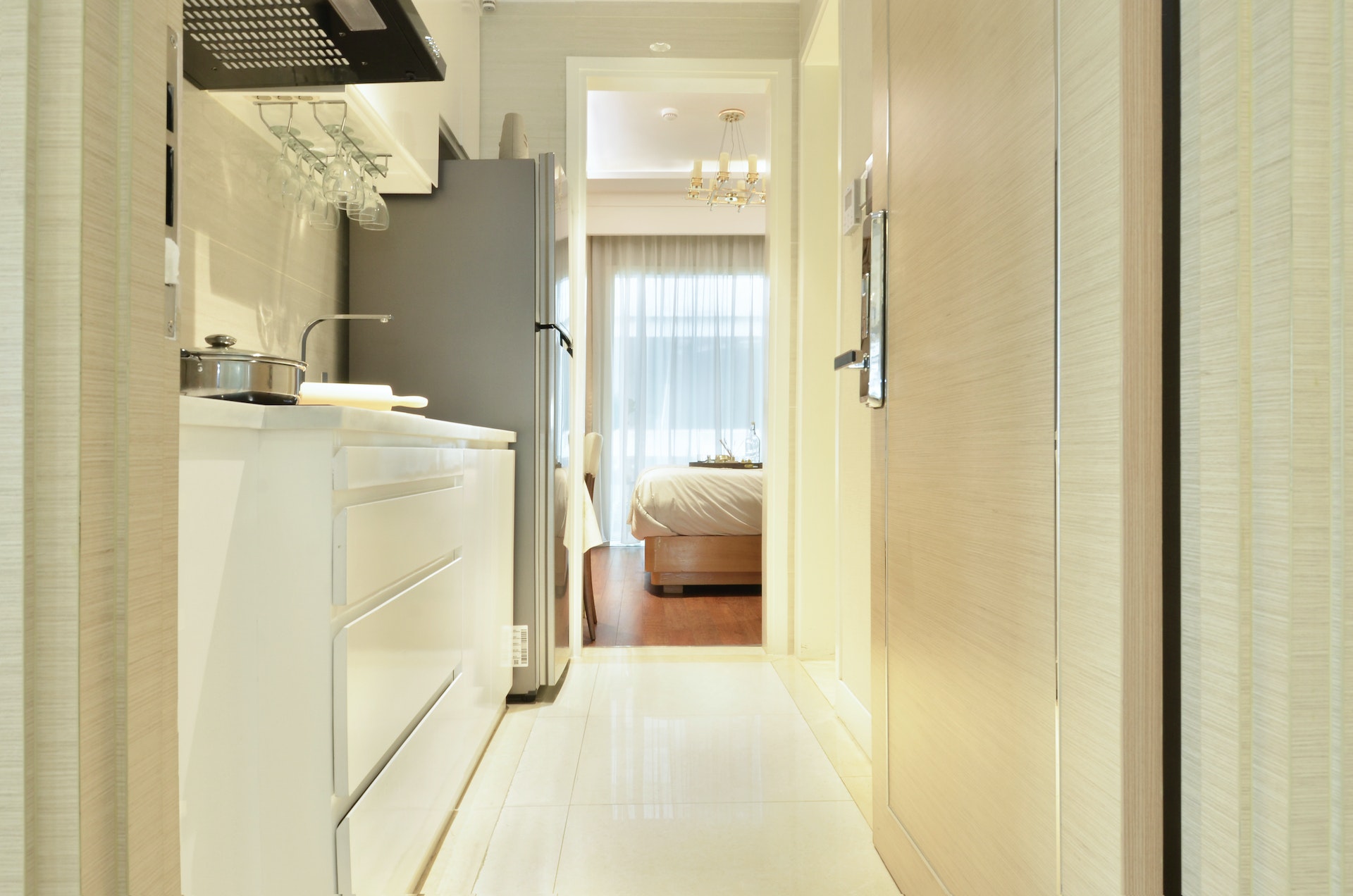
Mixed-gender room rentals in Malaysia are the cheaper end of the shared-housing market — market reporting from June 2026 put comparable rooms at roughly RM400 in mixed houses against about RM600 for female-only rooms. Tenants choose them to cut living costs, especially in KL and the employment corridors. Since April 2026, the trend has also drawn official attention: Malaysian religious-affairs guidance now expects owners of rental homes to state and enforce gender conditions clearly. Neither fact makes a mixed house wrong or right — it makes it a decision with a price, a comfort level and a paperwork step. This page explains why mixed houses are cheaper, what the official guidance actually says, and how to protect yourself if you still choose one.
Why mixed-gender houses are cheaper
Mixed houses rent lower because the tenant pool is larger — anyone can apply — and because a meaningful share of female renters will not consider them, so owners price to fill rooms fast.
The mechanics of the discount are ordinary supply and demand. A room open to all genders competes for every applicant; a female-only room competes for a smaller pool that is also more motivated to pay for the exclusivity. Malaysian market reporting in June 2026 documented the result: tenants accepting mixed-gender occupancy to handle high rental costs, with female-only rooms around RM600 against roughly RM400 for comparable mixed-house rooms (Utusan Malaysia, June 2026).
That RM200 gap is roughly what the market charges for gender certainty. Whether it is worth paying is a personal call, not a financial rule — over a 12-month tenancy the difference is about RM2,400, a real amount against a room budget. The trade in a mixed house is not just money, though: it is the predictable frictions of shared living with people whose habits and expectations you do not control. The discount exists partly because enough tenants before you priced that friction in.
One more honest note: cheap can also mean thin. Some mixed-house rooms are cheap because the house is overcrowded, poorly maintained or informally managed — the gender mix is not the reason, but low prices and weak management often travel together. A viewing tells you which situation you are in.
What the 2026 official guidance says
In April 2026, Malaysian official channels flagged the mixed-gender rental trend and advised home owners to state and enforce clear gender conditions in their rentals — guidance directed at owners, not a law banning mixed houses.
In April 2026, the Chief Secretary's department portal carried a piece describing the mixed-gender rental-house trend and stating that it crosses the boundaries of Islamic syariah, advising owners to set clear conditions on the gender of their tenants (MKN, April 2026). In the same period, the Federal Territories Mufti's office published advisory writing (Tinta Mufti No. 105 of 2026) on the ethics of renting and the mixed-gender rental-house trend, similarly advising owners who rent by the room to manage gender conditions explicitly (Mufti Wilayah Persekutuan, Tinta Mufti Bil. 105/2026).
For a renter, three practical readings follow. First, this is religious-affairs guidance addressed to owners, not a statute — no law prohibits adults of different genders sharing a rented house by agreement, and the guidance does not say otherwise. Second, it increases the pressure on owners who market to Muslim tenants to be explicit about house composition — which helps you, because an explicit condition is one you can check before signing. Third, expect more owners to write gender conditions into listings and agreements as this guidance circulates; your job is simply to read them.
If you are renting as a Muslim tenant, the guidance is directly relevant to your own choices and you should read it in full from the sources above. If you are not, it still matters as market context: it explains why supply is shifting and why "stated clearly in the agreement" is becoming the norm you should insist on.
If you still choose a mixed-gender house, what should you know?
Protect yourself with four practical steps: a lock on your bedroom door, a written housemate agreement, explicit visitor rules, and a fair utilities split — all settled before you move in.
| Protection | What to settle at the viewing | What it prevents |
|---|---|---|
| Bedroom door lock | Ask whether you can fit one, or confirm an existing one with your own key | Privacy and security lapses in a shared house |
| Housemate agreement | One page signed with the owner: quiet hours, shared-area cleaning, kitchen use | The frictions that make cheap rooms expensive |
| Visitor rules | Whether guests are allowed, in which areas, and overnight or not | The most common shared-house dispute |
| Utilities split | How bills are divided — per head, per room or capped | Month-three surprises when the bill arrives |
| Composition disclosure | How many people live there now, and who fills empty rooms | A house that changes character after you sign |
None of this is paranoia; it is the standard kit for any shared house, worth more in a mixed one. Meet the current housemates at the viewing if you can — you are not inspecting a room, you are choosing people to live with. And apply the same fraud checks you would anywhere: view in person before paying, verify who you are dealing with, and keep the full room rental checklist for tenants in reach.
For women weighing this specific trade, the women-only rooms and co-living guide lays out the other side of the market — what female-only costs, the rules to expect, and how to verify the condition before signing.
Female-only versus mixed: how does the cost comparison land?
Female-only rooms commonly cost about RM200 a month more than comparable mixed-house rooms — roughly RM600 against RM400 in June 2026 market reporting — and the bands by room type run RM270-RM900 across the shared-housing market.
| Room type | Typical monthly rent | Notes |
|---|---|---|
| Shared room (2 pax) | RM270-RM350 | Lowest entry cost; occupancy mix decides the experience |
| Single room | RM300-RM500 | The workhorse option for most solo renters |
| Master room | RM550-RM900 | Attached bathroom; premium depends on location |
| Female-only premium | ~RM200 over comparable mixed room | The price of gender certainty in the current market |
Treat these as market bands, not quotes. Location, furnishing and condition move the numbers, and reported figures are snapshots — confirm the current range against live listings for your area. What stays true across the cycle is the shape of the decision: you are trading roughly RM2,400 a year for a guaranteed living arrangement, or keeping the cash and managing the frictions with the four protections above.
When a mixed house makes sense
A mixed house makes sense when the rent saving is material, the house is well managed, and you have met the housemates — it is the wrong economy when the discount is small or the management is informal.
The profile of a sensible mixed-house tenant: budget-driven, working long hours, comfortable with shared living, and renting a house whose owner or operator actually manages composition and rules. Students in managed accommodation, workers saving against a goal, and renters between whole-unit leases all fit.
The profile of a bad fit: anyone who would be uncomfortable with the daily realities of a mixed house, or who is choosing it only because the viewing was convenient. If the saving is RM100 a month and the house has no written rules, the discount is not worth the friction. And if you want gender certainty for religious or personal-comfort reasons rather than price, no discount answers that — the female-only market exists for exactly that reason, premium included.
Whatever you choose, get it stated. The single improvement the 2026 guidance pushes — owners stating gender conditions explicitly — only helps you if you read the statement and see it in the agreement. Start with live room rentals on SPEEDHOME to compare what is actually available in your area and budget.
FAQ
Are mixed-gender rental houses legal in Malaysia?
Yes. No Malaysian statute prohibits consenting adults of different genders from sharing a rented house, and the April 2026 religious-affairs guidance advising owners to state gender conditions is not a ban. It is directed at owners to make terms explicit — which benefits tenants who read them.
Why is a mixed-gender room cheaper than a female-only room?
Larger applicant pool and faster filling. A room open to everyone competes for all applicants; female-only rooms serve a smaller, more motivated pool. June 2026 market reporting put the gap around RM200 a month on comparable rooms.
What changed in April 2026?
Official channels published guidance on the mixed-gender rental trend, advising owners to set and enforce clear gender conditions in rentals. The MKN piece and the Federal Territories Mufti's Tinta Mufti No. 105 both frame it for owners. Practically, expect more explicit gender terms in listings and agreements.
How do I protect myself in a mixed shared house?
Four things before moving in: a lock on your bedroom door, a one-page signed housemate agreement covering quiet hours and cleaning, explicit visitor rules, and a fair utilities split. Meet the current housemates at the viewing. Cheap rooms with none of these in place are where shared-living disputes start.
Is the RM400 versus RM600 price gap guaranteed?
No — those are June 2026 reported market figures for comparable rooms, not fixed prices. Rents move with location, furnishing and condition. Use the bands to understand the shape of the trade-off, then check live listings for current numbers in your area.
Accuracy and corrections. Statements rest on verified sources; numbers are registry-bound and re-verified with each update. Found a mistake? [email protected].