
Quick answer
Nicotine-stained walls and ceilings from indoor smoking are tenant damage, not fair wear and tear, so you can recover the cleaning and repainting cost from the deposit or the tenant — but only against proven, quantified loss. You cannot lock the tenant out, disconnect water or electricity, or seize belongings to force payment. The lawful route is a written demand, evidence, and the civil courts if it is disputed.
The instinct when you walk into a yellowed, smoke-soaked unit is to act immediately and unilaterally. That is exactly the move Malaysian law blocks. Because Malaysia has no Residential Tenancy Act in force as of 2026, the whole matter is governed by your tenancy agreement (TA) and general contract law — which means the strength of your case rests almost entirely on three things: a no-smoking clause in the TA, a move-in condition record, and a documented repair quote. Get those in order first; everything else flows from them.
Is smoke damage "wear and tear" or tenant damage?
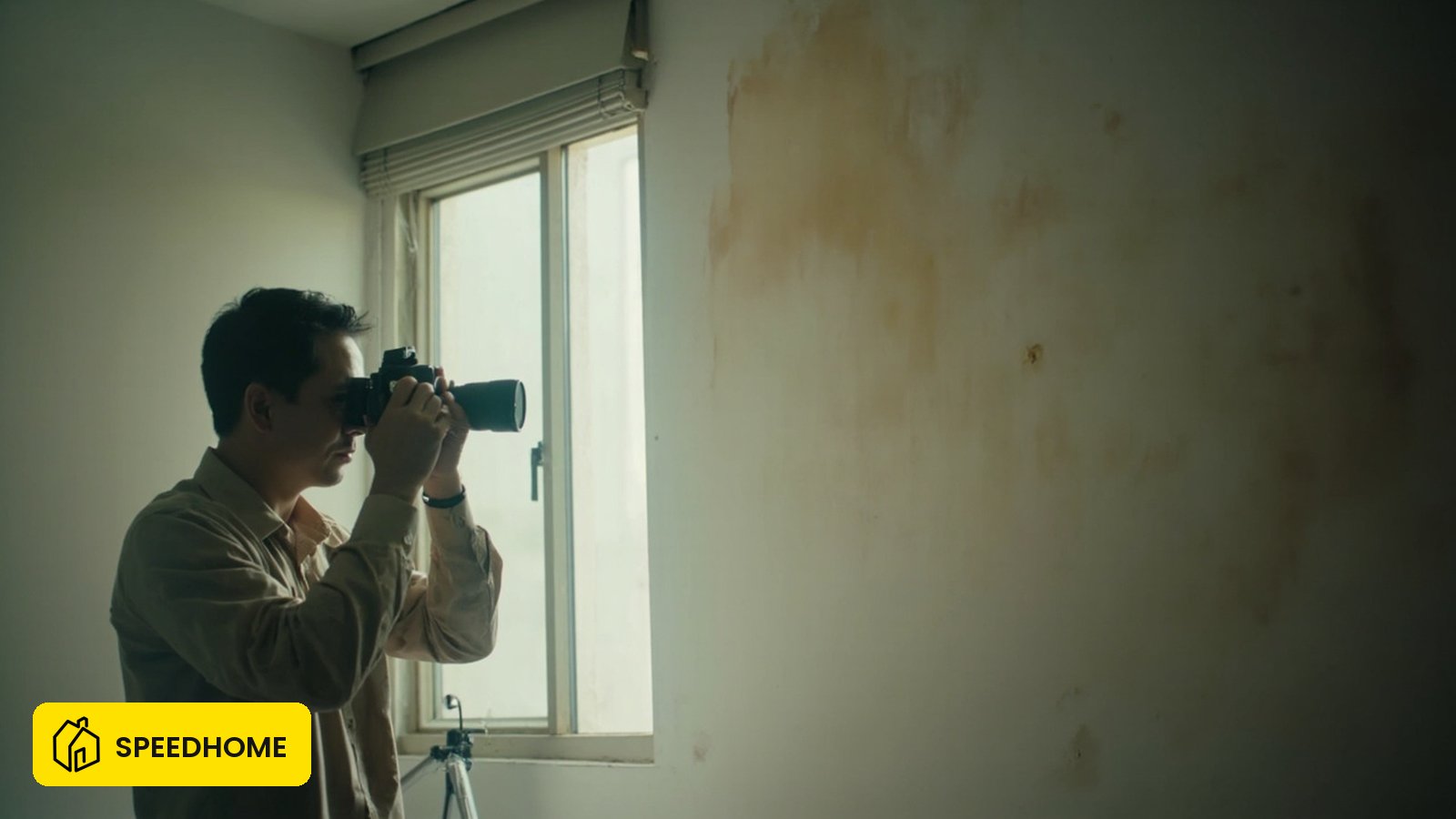
Smoke staining from indoor smoking is tenant-caused damage, not normal wear and tear. Wear and tear is the gradual deterioration from ordinary, permitted use; smoking where the lease forbids it (or even where it is silent) goes beyond that and is recoverable.
The distinction matters because it decides who pays. Under the Contracts Act 1950 s.74, a landlord's right to retain a deposit is limited to proven loss — you cannot withhold a vague amount, and you cannot charge for the kind of fading, scuffing, or minor marking that any tenancy produces over time. Smoke damage clears that bar: it is a specific, avoidable harm traceable to the tenant's conduct, and the remediation (degreasing, sealing with a stain-blocking primer, repainting) is a measurable cost.
| Damage type | Classification | Who pays | Evidence you need |
|---|---|---|---|
| Gradual paint fade, light scuffs, minor nail holes | Fair wear and tear | Landlord (no charge) | Move-in vs move-out photos for comparison |
| Nicotine-yellow walls and ceiling from indoor smoking | Tenant damage | Tenant | Move-in photos showing clean walls + no-smoking clause + repainting quote |
| Smoke odour absorbed into curtains, aircon filter, grill filter | Tenant damage | Tenant | Inventory of items replaced/cleaned + receipts |
| Burn marks on flooring or countertops from ash/cigarettes | Tenant damage | Tenant | Close-up photos + repair or replacement quote |
| Repainting the whole unit the same colour it was before | Partial wear and tear | Shared (pro-rated if repainting is due anyway) | Last paint date + scope of work |
The single biggest mistake landlords make in this scenario is having no move-in baseline. Without a photo of the walls and ceiling taken at handover, the tenant can fairly argue the staining was already there. Take a full condition record at every move-in — it is the document that converts a he-said-she-said dispute into a provable claim. For the deeper read on how s.74 draws the line, see the wear and tear vs tenant damage explainer.
What can you deduct from the deposit for smoke damage?
You can deduct the proven cost of degreasing, sealing, and repainting the stained surfaces, plus cleaning or replacing smoke-saturated furnishings — each item backed by a dated quote or receipt. You cannot withhold an estimated lump sum; return any balance not tied to documented loss.
Malaysia has no statutory residential rent-deposit cap; the deposit amount and what it covers are set by the TA, and your right to retain any of it is limited to actual, evidenced loss. The practical workflow:
- Photograph everything before any cleaning starts — walls, ceiling, curtains, aircon vents, behind pictures (where the contrast is sharpest).
- Get two written quotes from painters for degrease + stain-block primer + two coats. The stain-blocking primer is non-negotiable: nicotine bleeds through ordinary paint within weeks.
- Itemise soft-furnishing costs — curtain dry-cleaning or replacement, aircon chemical wash, filter replacement — each with a receipt.
- Issue an itemised deduction statement to the tenant with every line tied to a quote or invoice, and return the balance.
If the documented loss exceeds the deposit, the excess becomes a civil debt the tenant owes you — pursued by written demand and, if needed, the courts. For the routing logic when the deposit is not enough, read the small-claims vs Magistrates' Court guide. For the broader list of when retention is lawful, see the reasons a landlord can hold the deposit.
What you must NOT do — even with a tenant who clearly smoked inside
You cannot lock the tenant out, disconnect water or electricity, remove or withhold the tenant's belongings, or threaten them to force payment. All of these are unlawful self-help under the Specific Relief Act 1950 s.7(2), regardless of how badly the unit was damaged.
This is the trap. Smoke damage feels so obviously the tenant's fault that landlords reach for shortcuts — changing the door lock, cutting the power "until they pay", or holding the tenant's passport or possessions. Every one of those moves is unlawful and can expose you to a counterclaim or a police report that outweighs the repair cost. Recovery of possession and recovery of money must each go through the lawful process: a written demand first, then court action (a Writ of Distress for arrears or a Writ of Possession to recover the unit) enforced by the court bailiff.
| Unlawful shortcut | Why it backfires | Lawful alternative |
|---|---|---|
| Lock the tenant out to force payment | Unlawful self-help; opens you to a claim for wrongful interference | Written demand → civil claim for the proven loss |
| Disconnect water or electricity as pressure | Specific Relief Act 1950 s.7(2) prohibits it; tenant can report you | Pursue the deposit deduction and any excess as a civil debt |
| Seize or hold the tenant's passport or belongings | Potential extortion / wrongful detention exposure | Deduct proven loss from deposit; claim balance in court |
| Report the tenant to a credit agency without TA consent | Unlawful without the tenant's written consent in the TA | Only report to a licensed credit agency where the TA grants consent |
| Publish the tenant's name, photo, or IC online | Unlawful exposure of personal data | Keep the dispute private and in the lawful channels |
Does the tenant's nationality change anything?
No. The tenant's country of origin — China or anywhere else — does not change their legal rights or yours. A foreign tenant is bound by the same TA and Malaysian law, with the same protection against self-help and the same deposit-return process as a citizen.
Treat the matter purely as a contract and damage question. Where foreign tenancies do differ is practical, not legal: enforceability of a court judgment if the tenant has already left Malaysia, and the value of capturing strong up-front due diligence (a copy of the passport and visa, a local contact, and ideally a Malaysian guarantor or employer reference) before the tenancy starts. If the tenant has departed and the loss exceeds the deposit, the civil claim is still your route — collection across borders is harder, but the lawful path does not change.
The SPEEDHOME angle — a TA that already forbids indoor smoking
The cleanest defence against smoke damage is a TA that names it before the tenancy starts. SPEEDHOME's managed tenancy framework includes a standard agreement with house rules covering indoor smoking, plus a documented move-in condition record, so the clause and the baseline exist before a dispute ever arises.
On SPEEDHOME's managed platform, the average time from a tenant's first rental default to recovery action is about 31 days — an operator observation about how the framework moves on a documented breach, not a guaranteed timeline for any single case. The same documentation discipline applies to damage: the condition record, the house-rules clause, and the itemised deduction statement are what make a smoke-damage claim provable rather than arguable.
Where the upfront cash deposit matters to you specifically as a buffer against damage like this, list the unit under a conventional deposit arrangement rather than Zero Deposit. The engine renders the standard Zero Deposit disclosure separately so you can compare the two paths on the same footing.
If you are renting out a unit, set the house rules — including a no-smoking clause — from day one, and browse rental homes on SPEEDHOME to see how managed listings handle the tenancy framework.
FAQ
Can I charge the tenant for repainting if they smoked inside?
Yes, if the smoking caused staining beyond normal wear and you can prove it with a move-in condition record and a dated painter's quote. Use a stain-blocking primer or the nicotine will bleed through. Deduct only the proven cost from the deposit and return the balance.
Is indoor smoking considered wear and tear?
No. Nicotine staining and smoke odour are tenant-caused damage, not the gradual deterioration from ordinary use. Under the Contracts Act 1950 s.74 you can recover proven loss for it, but you cannot withhold a vague or estimated lump sum.
Can I keep the whole deposit for smoke damage?
Only up to the proven, itemised cost of the remediation — degreasing, sealing, repainting, and cleaning or replacing smoke-saturated furnishings, each backed by a quote or receipt. Anything not tied to a documented loss must be returned to the tenant.
What if the deposit does not cover the full repair cost?
The shortfall becomes a civil debt. Issue a written demand for the balance; if the tenant does not pay, pursue it in the civil courts. Claims up to RM5,000 use the Magistrates' small-claims procedure (no lawyer needed); larger claims go to the Magistrates' or Sessions Court.
Can I lock the tenant out or cut the utilities until they pay for the damage?
No. That is unlawful self-help under the Specific Relief Act 1950 s.7(2), regardless of how clear the damage is. Recover possession and money through the lawful process — written demand, then court action — not by locking the tenant out or disconnecting water or electricity.
Does it matter that the tenant is from China?
Not legally. A foreign tenant has the same rights and obligations under the TA and Malaysian law as a citizen. The practical difference is enforceability if they have already left Malaysia, which is why capturing passport, visa, and guarantor details up front matters — but the lawful recovery route is unchanged.