
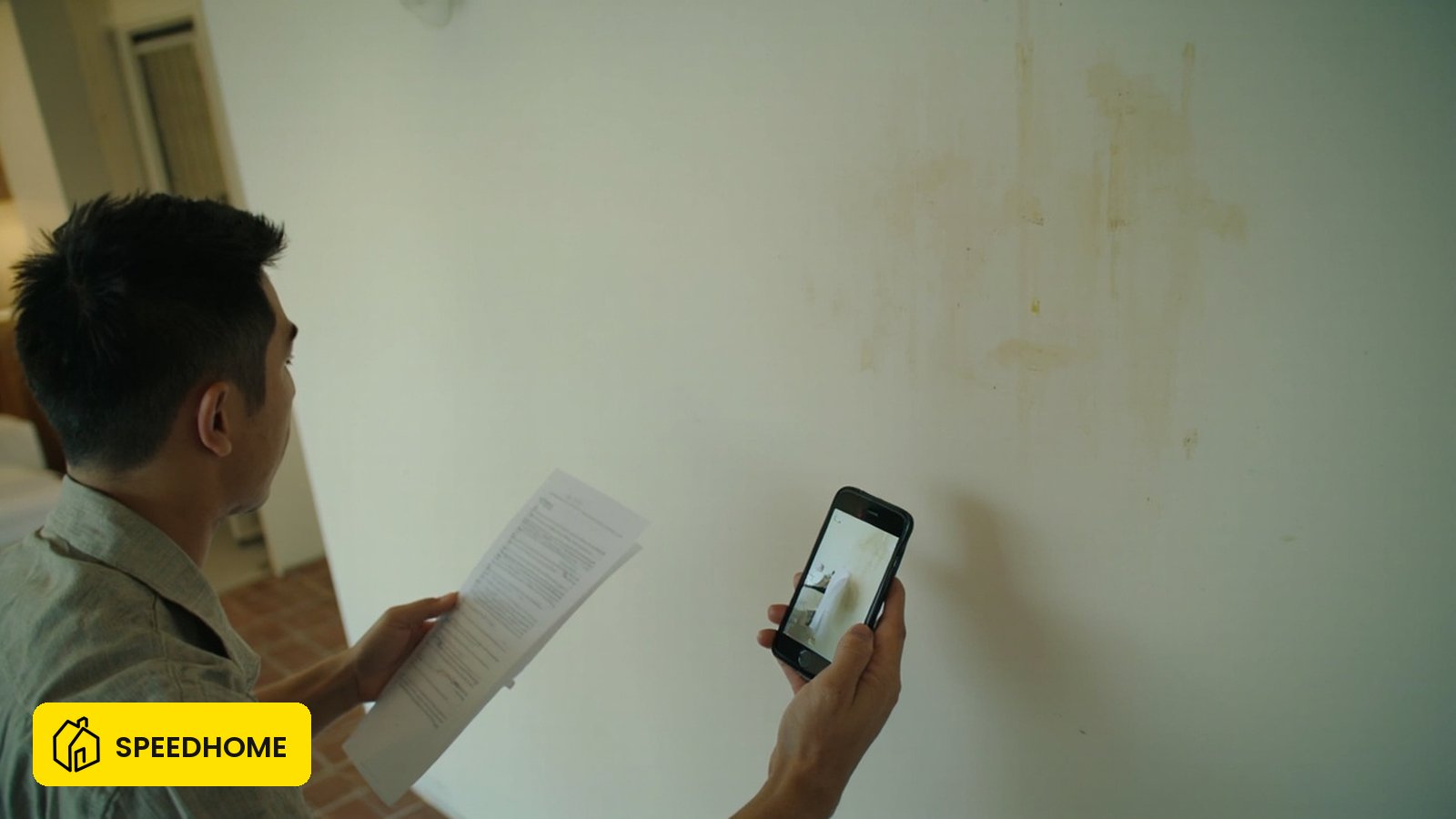
Who pays if a tenant asks the landlord to repaint after 3 years?
A landlord has no automatic duty to repaint just because a tenant asks. After 3 years, paint that has faded or dulled is normal wear and tear — the landlord's cost if a repaint is needed at all, but not something the tenant can demand on request. A repaint only becomes an obligation if the tenancy agreement explicitly provides for it, or if the landlord chooses to do it as a goodwill gesture.
Most tenants who ask for a repaint after a few years are surprised by this answer: the request itself creates no obligation. Malaysia still has no Residential Tenancy Act in force as of 2026, so there is no statute that sets an automatic repaint duty. What decides it is the tenancy agreement and the ordinary principle of fair wear and tear.
This is a different question from can a landlord charge a tenant for a full repaint after 3 years — that page covers a landlord trying to deduct repaint costs from a departing tenant's deposit. This page covers the reverse: a tenant, often mid-tenancy or at renewal, asking the landlord to repaint.
What does the tenancy agreement say about repainting?
Check the "make-good" or "maintenance" clause in the tenancy agreement. If it obligates the landlord to keep the unit in good condition throughout the tenancy, a repaint request has some footing. If the clause is silent on paint specifically, a written agreement between both parties is needed.
| Situation | Who is responsible | Basis for the decision |
|---|---|---|
| The tenancy agreement obligates the landlord to repaint periodically | Landlord | Clear TA clause |
| Paint has faded, dulled, or dimmed after 3 years of normal use | Landlord (if a repaint is done at all) | Normal wear and tear — landlord cannot recover this from the tenant |
| Walls are dirty from tenant conduct (smoking, scribbling, heavy staining) | Tenant | Damage beyond normal wear |
| Tenant requests a repaint with no basis in the agreement and no damage | Landlord's discretion | A goodwill gesture, not an obligation |
| Paint was already worn or peeling before the tenant moved in | Landlord | Pre-existing defect, not the tenant's responsibility |
| Tenant added colour or repainted without permission | Tenant covers the cost of restoring the original | Unauthorised alteration |
After 3 years of an ordinary tenancy, interior paint in Malaysia is usually close to the end of its practical lifespan anyway. If the landlord does choose to repaint to refresh the unit for the next tenant, that is a property-operations decision — not something that can be billed to a tenant who is leaving after a normal tenancy.
Can a tenant make a repaint a condition of staying on?
Yes, but it needs to be built into the renewal agreement. A tenant has real negotiating leverage at the point of renewal — if the landlord wants the same tenant to continue, a unit improvement can be made a condition of that renewal.
The most effective way for a tenant to actually get a repaint: raise it before signing the renewal, not as a verbal request mid-tenancy. Write into the new agreement that the landlord agrees to repaint before or at the start of the new term. This is far stronger than a verbal ask partway through a tenancy.
If the tenancy is still active and the unit is genuinely damaged — not just faded — report it in writing and ask the landlord to fix it. But if the paint is simply worn from ordinary use, it falls under normal wear and tear and does not obligate the landlord to act immediately just because the tenant asked.
What evidence should a tenant keep on a paint dispute?
Keep dated photos of the wall condition at both move-in and move-out. If there is staining or damage that already existed before move-in, record it on the move-in inventory checklist with the landlord. This matters for two reasons: it protects the deposit from an unfair deduction, and it becomes evidence if a dispute arises over who caused the current paint condition.
If the tenant is the one who caused the paint damage — scribbling, heavy staining, unauthorised repainting — the responsibility to restore it sits with the tenant, not the landlord. The same principle applies in reverse: a proven loss at depreciated value, not a full repaint charged for cosmetic reasons alone.
FAQ
Is a landlord obligated to repaint when a tenant asks after 3 years?
Not automatically. Malaysia has no statute that obligates a repaint on tenant request. The obligation only arises if the tenancy agreement provides for it, or if there is actual damage that needs restoring. Paint that has simply faded after 3 years is normal wear and tear — the landlord is not required to act just because the tenant asked.
Who pays for a repaint if the walls are dirty from smoking or scribbling?
The tenant. Cigarette stains and scribbling on walls go beyond normal wear and tear. The landlord can claim the related repaint cost from the deposit for the affected areas, backed by evidence and priced at the depreciated value of the damaged wall — not the full cost of repainting the entire unit.
Can a tenant refuse to pay for a repaint the landlord is claiming from the deposit?
Yes, if the claim is for normal wear and tear alone. Ask for an itemised breakdown: what is damaged, where, and how the amount was calculated. If the invoice is just "full unit repaint" with no evidence of specific damage, the tenant has grounds to dispute the deduction. Keep move-in and move-out photos as evidence of the original condition.
Can a tenant repaint the unit themselves without permission?
Not recommended. Changing the colour or repainting without the landlord's written consent can be treated as an unauthorised alteration to the unit. The tenant may have to cover the cost of restoring the original colour at move-out. Get written permission first if a change to the walls is wanted.
What should a tenant do if they want a repaint as a condition of renewing the lease?
Make it a condition in the renewal agreement. Raise it before signing and get the landlord's agreement written into the new contract. A verbal mid-tenancy request is hard to enforce. A tenant's negotiating leverage is strongest at renewal — that is the point to use it.