
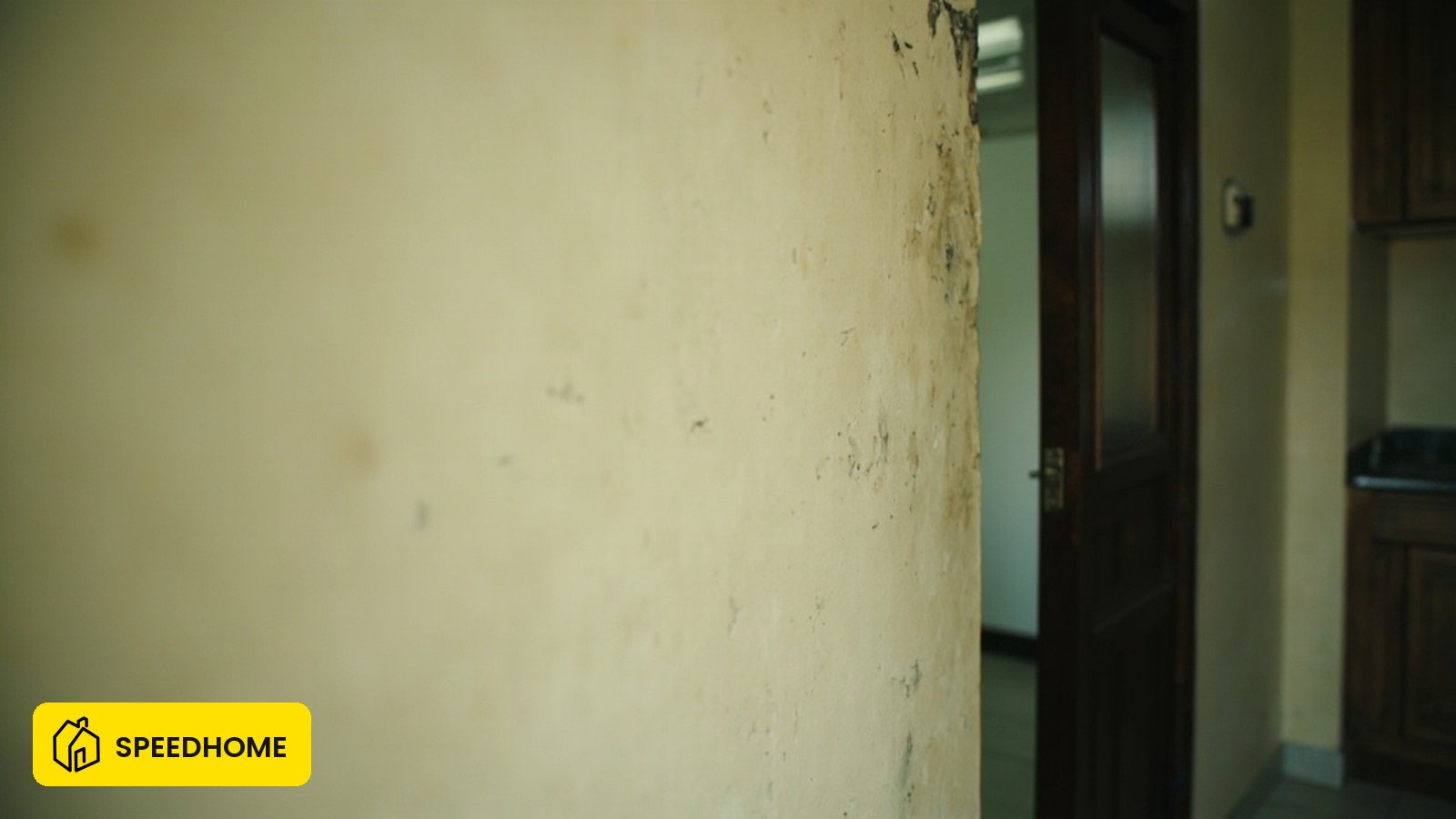
Is a landlord's full-house repaint demand after 3 years legal?
Usually no, not as a blanket charge. After three years, faded and lightly scuffed paint is fair wear and tear - the landlord's cost, not yours. A landlord can only recover proven loss for actual damage beyond normal ageing (heavy staining, crayon, deep gouges), charged at the depreciated value of the old paintwork, never the full cost of a brand-new repaint of the entire house.
The "after 3 years" part matters. Interior emulsion in an occupied Malaysian home has a useful life well inside that window, so by the end of a three-year stay a fair share of the original paintwork's value has aged out through ordinary living. Billing you for a whole-house repaint on top of that is, in substance, asking you to fund an upgrade the landlord was already due to pay for. The wear-and-tear framework, and why the law does not allow it, is set out in the broader 6 lawful grounds a landlord may keep your deposit.
The detail: what the tenant actually owes after 3 years
The tenant owes proven loss, not the landlord's preference. As of 2026 Malaysia has no Residential Tenancy Act in force and no statutory deposit cap, so a landlord's right to retain part of your deposit is limited to proven loss under general contract law - the depreciated value of what you actually damaged, never a brand-new replacement.
Run two filters on any repaint charge before you agree to anything:
- Was it damage, or wear and tear? Faded colour, light surface scuffs, rub marks behind doors, and small picture-frame nail holes from normal hanging are wear and tear - the landlord's cost. Crayon or marker across walls, grease-blackened kitchen paint, deep gouges, or smoke-yellowed ceilings from indoor smoking are damage you can be asked to pay for.
- If it is damage, what is the recoverable amount? The landlord recovers the depreciated value of the damaged paintwork - not the full cost of repainting the whole house. Charging you for a premium new coat that leaves the home better than its aged state is betterment, which the law does not award.
A "full house repaint" invoice handed to a tenant after three years almost always fails the second filter: even where some real damage exists, the fair charge is a partial, depreciated contribution to the affected walls, not the entire job. For the matching analysis from the landlord's side, see can a landlord charge for a full interior repaint after a 3-year tenancy, and the parallel wear-vs-damage reasoning in deep-cleaning deductions at move-out.
Repaint after a 3-year tenancy: what is chargeable
| Situation at move-out (after ~3 years) | Wear and tear or damage? | What you owe |
|---|---|---|
| Faded paint, light scuffs, rub marks behind doors | Wear and tear | Nothing - normal ageing is the landlord's cost |
| Small picture-frame nail holes from normal hanging | Wear and tear | Nothing, or nominal patching only |
| Scuffed corners from furniture movement | Wear and tear | Nothing |
| Crayon or marker across walls drawn by a child | Damage | Depreciated cost of repainting the affected walls only |
| Heavy grease or smoke staining in kitchen / from indoor smoking | Damage | Depreciated cost of repainting affected rooms |
| Deep gouges, torn paint from peeled tape or stickers | Damage | Depreciated cost of repairing affected areas |
| A whole-house repaint because "it looks tired" | Wear and tear | Nothing - the landlord cannot refresh on your tab |
Convention and contract-based, not statutory. The actual outcome depends on your tenancy agreement's make-good clause and the evidence both sides hold. Confirm with a lawyer for a contested claim.
How to push back on a full-house repaint charge
Ask for an itemised breakdown, fix your move-in baseline with dated photos, and put your position in one clear written message. A vague lump-sum "repaint the whole house" demand is hard for the landlord to defend against dated evidence; a measured written record reads well to any third party later.
The make-good clause is where this is won or lost. Most generic tenancy agreements in Malaysia contain a broad "return the unit in its original condition" line, which landlords read as "repaint everything" and tenants read as "normal wear is fine." Two things resolve the ambiguity cleanly: a move-in photo baseline that fixes the starting condition of the paint, and a make-good clause that scopes what you actually owe - cleaning and repair of specific damage, not a full cosmetic refresh.
When you respond:
- Request the itemised breakdown: which walls, what damage, the evidence, and how the amount was calculated against the age of the old paintwork.
- Attach your dated move-in and move-out photos of the same walls, so the before-and-after is on the record.
- Acknowledge any genuine damage but cap your offer at its depreciated, partial value - never a whole-house new coat.
- Keep every message in writing. A single, calm, evidenced message beats a long argument.
Where the condition record is thin, a lump-sum repaint invoice tends to stand unchallenged; where it is dated and shared, the depreciated-partial-cost position wins. If you are renting again and want a tenancy where the handover record is kept on both sides, browse verified listings at /rent.
FAQ
Can my landlord force me to repaint the whole house after 3 years?
Generally no. After three years, faded and lightly scuffed paint is fair wear and tear - the landlord's cost, not damage. They can only charge for damage beyond normal ageing (heavy staining, crayon, deep gouges), and only at the depreciated value of the affected paintwork, not the full cost of a brand-new repaint of the entire house.
Is repainting considered normal wear and tear in Malaysia?
Yes. Interior paint has a finite useful life, and faded colour, surface scuffs, and minor rub marks from ordinary living over a multi-year tenancy are normal wear and tear. The landlord cannot bill you for refreshing paint that was already ageing out through normal use. Only actual damage - staining, deliberate marks, gouges - is potentially chargeable, and at depreciated value.
Can the landlord deduct the repaint cost from my deposit?
Only up to proven loss, and only for actual damage. A landlord's right to retain part of a deposit is limited to proven loss under general contract law - not a full cosmetic refresh. Ask for an itemised breakdown showing what was damaged, the evidence, and how the amount was calculated against the age of the paint. A single lump-sum "full repaint" figure is hard for them to defend.
What is the betterment rule and why does it cap a repaint charge?
Betterment means the landlord cannot recover more than the depreciated value of what was damaged - they cannot use your money to upgrade an old home to better-than-original condition. So even where some repaintable damage exists, the fair charge is a partial, depreciated contribution for the affected walls, not the entire repaint invoice. A new-for-old charge fails this rule.
Where do I take the dispute if the landlord insists on a full repaint charge?
Malaysia has no dedicated residential tenancy tribunal for a private deposit dispute. The ordinary civil courts apply: for the deposit amount, claims up to RM5,000 use the Magistrates' Court small-claims procedure without a lawyer, and larger claims go to the Magistrates' or Sessions Court. The Tribunal for Consumer Claims does not hear a private residential tenancy deposit dispute. Keep your move-in photos and every written exchange.
Should I agree to a partial repaint charge if there was some real damage?
Only if the charge is itemised, evidenced, and depreciated to the age of the damaged paintwork. Acknowledge genuine damage, but push back on a whole-house repaint and on new-for-old pricing. Put your position in one clear written message with your move-in and move-out photos attached; a measured written record reads well to any third party later.