
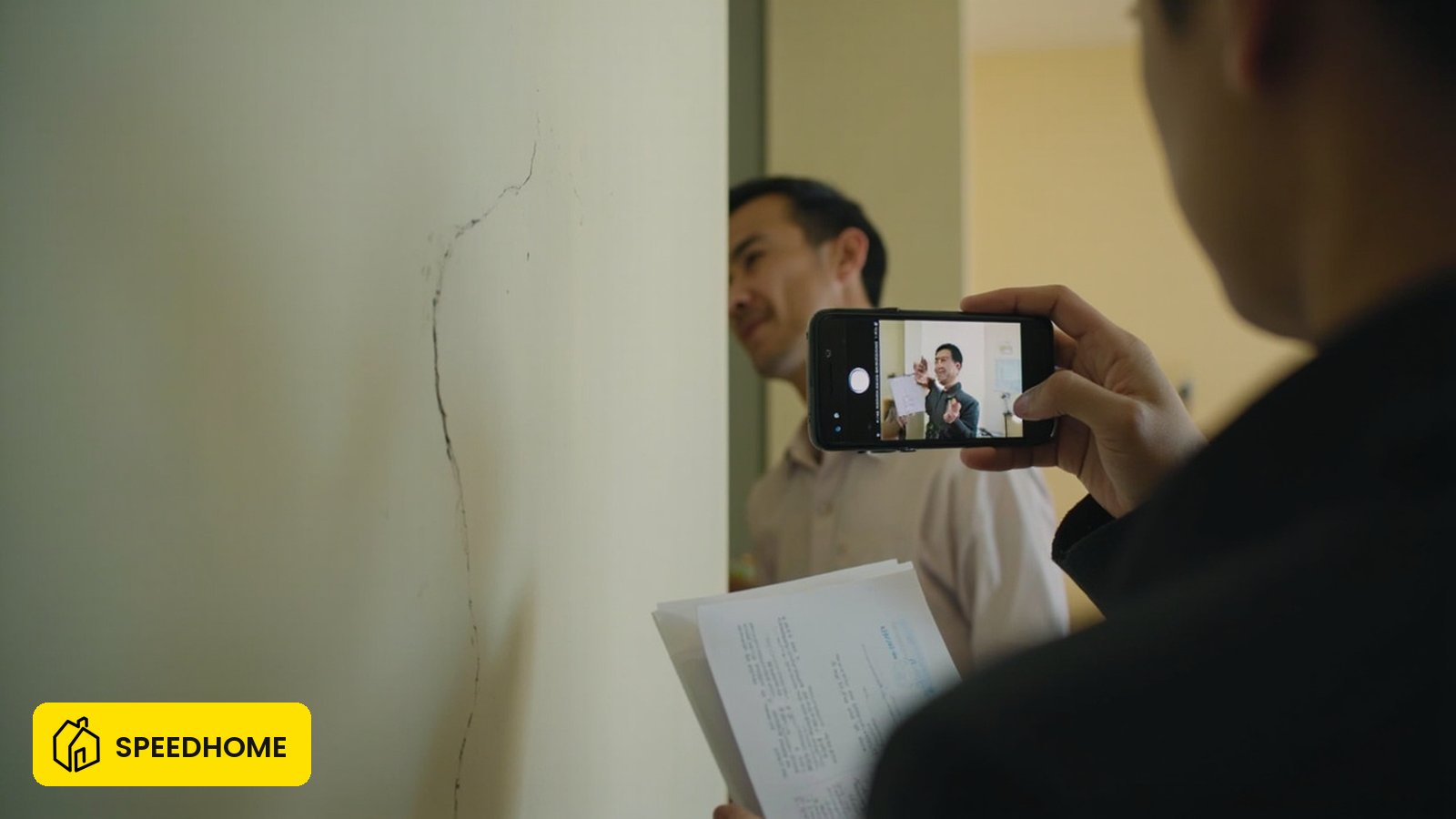
A move-in inventory lists every room, fitting, appliance, meter reading, key, and existing defect on the day you take the unit — captured with time-stamped photos and notes and shared with the other party the same day. That record is the evidence that separates pre-existing wear from tenant damage in a deposit dispute: Malaysian deposit disputes turn on proof, not memory.
What should be in a move-in inventory list to protect myself from false damage claims?
What belongs on a move-in inventory that protects you?
A move-in inventory lists every room, fitting, appliance, meter reading, key, and existing defect on the day you take the unit, captured with time-stamped photos and notes and shared with the other party the same day. That record is the evidence that later separates pre-existing wear from tenant damage in a deposit dispute.
An inventory is not a wish-list of what the unit should have — it is a factual snapshot of what is there now, in what condition. Malaysian deposit disputes turn on proof, not memory. A landlord who cannot show the unit's move-in state cannot lawfully hold a deposit for damage; a tenant who cannot show a defect existed before they moved in gets blamed for it at move-out. The checklist below is the contents of that snapshot, and it works for both sides.
If you want the how — filming, photographing, and running the joint walk-through — that is covered in the companion guide on how to document your rental unit before handover.
What should be in a move-in inventory list — the room-by-room checklist?
Capture, per room: walls and paint, floor covering, ceiling, doors and locks, windows and grilles, light fittings and fans, air-conditioner units, plumbing fixtures, supplied appliances and furniture, and any crack, stain, chip, or dent — each with a note and a photo. The inventory is only useful if it is specific and consistent across every room, not a one-line "unit in good condition".
The most common inventory failures in Malaysian deposit disputes are missing meter readings, undocumented existing cracks and water stains, and no record of keys and access cards handed over. Walk the unit in the same order every time so nothing is skipped. For each item, note condition (new / good / worn / damaged) and any defect's approximate size or location (e.g. "hairline crack ~30 cm above master bedroom window").
| Inventory section | What to record | Why it matters for a deposit dispute |
|---|---|---|
| Walls, ceiling, paint | Condition, scuffs, damp stains, hairline cracks | Distinguishes pre-existing cracks from tenant-caused damage |
| Floor (tile / wood / vinyl) | Chipped, cracked, loose, or lifted tiles and scratches | Tile damage is the most common move-out deduction claim |
| Doors, locks, grilles | Operation (smooth / stiff), scratches, dents, and all keys and access cards | Keys and access cards missing at move-out are routinely deducted |
| Windows | Cracks, seal condition, latches, broken glass | A cracked pane already there at move-in must be noted |
| Lights, fans, switches | Working / not working per fitting | Proves a dead fitting was dead before the tenant arrived |
| Air-conditioner units | Number of units, working test, any leak stain near indoor unit | A/C leaks stain ceilings; noting a pre-existing stain blocks a false claim |
| Plumbing — taps, sinks, toilet, water heater | Drips, stains, pressure, heater working | Hidden slow leaks are blamed on the tenant if not documented |
| Supplied appliances and furniture | Make, model (if labelled), condition, and count of each item | "Missing chair" claims collapse when the inventory lists two chairs, not three |
| Meters — electricity (TNB), water, gas | Photo of each meter reading with the date visible | Utility arrears on vacating are a recurring dispute; the move-in reading is the baseline |
| Keys, remotes, access cards | Count and type handed over at move-in | The single most-forgotten line that triggers a move-out deduction |
| Existing defects (all rooms) | Every crack, chip, stain, dent, scratch — with photo and location | This is the inventory's core job: the defects that are not yours |
The same items recorded at move-in must be re-recorded at move-out, ideally in a joint walk-through, so the comparison is like-for-like. A list that exists only in one party's phone is weaker than a list both parties signed or messaged each other on the day.
What makes a move-in inventory hold up in a Malaysian deposit dispute?
An inventory holds up when it is dated, specific, photographic, shared the same day, and matched against an identical move-out record. Vague wording ("good condition"), undated photos, or a list kept only by one party are the records that fail when money is on the line.
Malaysia has no statutory residential rent-deposit cap; deposits are governed by the tenancy agreement, and a landlord's right to retain is limited to proven loss under general contract law (Contracts Act 1950 s.74). That makes the move-in record the decisive proof of what loss, if any, the tenant actually caused. For the full legal framing — why fair wear and tear is not lawfully deductible and how s.74 caps deductions to proven loss — see the Contracts Act 1950 s.74 wear-and-tear corrective guide.
The SPEEDHOME-only angle: on a platform tenancy, the inventory walk-through is the moment the handover record is locked in alongside the stamped agreement, so the move-in baseline and the recovery paperwork live together rather than in one party's phone. That structure is exactly what stops a condition dispute becoming the trigger for a deposit fight — and condition disputes are the single most common default and deduction catalyst landlords hit. If you rent through SPEEDHOME, confirm with the landlord or agent on the day how the inventory will be shared and stored.
What should both tenants and landlords get right on move-in day?
Agree the inventory together, on the day, photograph everything with the date visible, read every meter, and send a copy to the other party before either side leaves. Doing it jointly is what converts a private list into shared evidence.
Two practical points apply to both sides. First, do not accept an inventory that lists only appliances and skips walls, floors, and existing defects — that is the inventory that protects no one. Second, if something is missing, broken, or dirty on move-in, write it down and photograph it now, not after you have unpacked. The list of deductions a landlord can later lawfully make is bounded by the move-in record; the deposit return process guide covers what happens when the records do not match at move-out.
For tenants browsing their next unit, the inventory step is a reason to rent on SPEEDHOME, where the handover documentation is part of the tenancy rather than an afterthought.
Frequently asked questions
Who is responsible for preparing the move-in inventory — tenant or landlord?
Both. Either party can draft it, but the inventory only becomes reliable evidence when both sides walk the unit together, agree the condition, and each keeps a dated copy the same day. A one-sided list is far weaker if a dispute reaches the civil courts.
Does a move-in inventory have to be signed or stamped?
No statute requires it. What matters is that both parties have a dated, shared record with photos and meter readings. A signed inventory is stronger, and a copy attached to the stamped tenancy agreement is strongest, but an agreed WhatsApp or email copy sent on move-in day still counts as evidence.
How many photos should I take during the move-in inventory?
At least one wide shot and one or two close-ups of every defect, plus a photo of each meter reading with the date visible. Aim for 30–60 photos for a typical condo; the goal is coverage, not a fixed number, so no room or existing defect is undocumented.
What if the landlord refuses to do a move-in inventory?
Prepare it yourself, photograph every room and defect with the date visible, and send the full set to the landlord by message or email on move-in day. A record you sent and they did not contest is still strong evidence of the unit's move-in condition.
Can a move-in inventory stop a landlord from keeping my deposit for old damage?
Yes. A dated move-in record showing a crack, stain, or broken fitting already present is direct proof the tenant did not cause it, and it limits a lawful deduction to proven loss actually caused during the tenancy. Without it, the same damage is far easier to charge to the tenant.
FAQ
What is the first thing I should do before acting on this rental issue?
Start with the tenancy agreement, dated photos, payment records, and written messages. In Malaysia, rental disputes are easier to resolve when the facts are documented before anyone escalates, threatens, or relies on memory.
Can WhatsApp messages count as useful evidence?
Yes, they are useful supporting evidence, but they should not be your only record. Keep the signed tenancy agreement, receipts, inspection photos, notices, and any acknowledgement from the other party together in one folder.
Should I use a template or ask a lawyer?
Use a template for routine notices and checklists; get legal advice when possession, unpaid rent, deposit deductions, or court action is involved. A template helps you organise facts, but it cannot decide strategy for a disputed case.
Where should this lead after I understand the issue?
Tenants should compare verified listings before committing; landlords should tighten screening, documentation, and the tenancy agreement before the next handover. The practical next step is prevention, not just fixing one dispute.