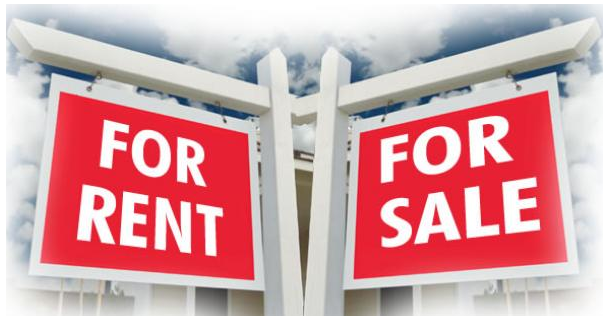
Renting VS Buying: The Untold Truth
Renting is cheaper short-term; buying builds long-term equity. In Malaysia, the financial breakeven point — where buying becomes cheaper than renting — is typically 7–10 years on a standard mortgage. If you’re not staying in the same area for at least 7 years, renting almost always wins financially. Here’s the full breakdown.
Renting Vs Buying: The Untold Truth
Chances are, you have stumbled upon or been a part of one of the most heated debates in the modern era; the pros and cons of renting and buying a house. Each person you met, will have their own biased opinion towards the matter, confusing you even more, on deciding whether to rent or make the biggest purchase in your life.
To help you, we have listed the pros and cons of each, so that you can make that well-informed decision about what is suitable for you, at the moment.
The Pros of Renting
Flexibility: The biggest advantage of renting.
You can enjoy flexibility when you rent. Moving from home to home as soon as your contract expires. You can pick and choose the time or type of house and location depending on your needs and budget. Not having limitations on where you stay means you spend less time planning your life around the house.
Diversify your investments when you rent.
When you buy a house, most of your savings are channeled to just one asset. Renting allows you to have a more diverse array of investments. Spread and minimize the risk for each one while ensuring one investment can be a backup to the other. Don’t put all your eggs in one basket – the risk will be too big.
Your savings will not be tied to only one investment.
When you rent, you are no longer spending most of your savings on all the costs associated with buying a house. This means you can invest elsewhere and get a faster and greater return on investment. You might be at that moment in your life when you want to continue studying or travel.
The Cons of Renting
Rental costs consistently rise/fluctuates.
The rate of the rest you pay will steadily increase over the years due to inflation and property prices. When you retire, the sum of money you get each month is reduced. It may be difficult in the future for you to fork out a large sum of rent money each month.
No motivation to have savings.
When you buy a house, you will constantly need to save money because you are obligated to pay your mortgage every month. With renting, you can be tempted to spend the excess cash that you have on unnecessary things rather than saving and investing it into something more useful.
The Pros of Buying A House
Stability and freedom
When you buy a house, you are given a certainty, an exact place that is yours. There is no risk of the landlord asking you to vacant a house you rent because they want to sell the house. You have no say on the length of your rent. Having your own home gives you the freedom or power to do anything with it.
The price of a house rises in time
Buying a house means you own an asset that will increase in value, depending on how the economy is. There are moments where the value of your house decreases but most of the time, it will bounce back.
The Cons of Buying a House
Tied to paying interest
When you have a house loan, the amount of interest and fees that you need to pay is very significant. Some of these interest rates also fluctuate depending on the economy. So be ready to be shocked because of this fluctuation.
It is more than just deposit and interest rates
To buy or sell a house, the process is not cheap and simple. Legal fees, stamp duty, conveyancing costs, repairs, and a lot more incurred costs. Having to pay these other fees and costs will surely burden you in the long run. It is hard enough for you to pay the deposit and loan repayment.
So, which one is for you?

It is a constant debate that will never be solved. Whether you are going to rent or buy a house, you need to weigh in on your current needs, investment options, and risks. Hopefully, the pros and cons listed with help you in making your choice.
Renting can be a challenge these days, hence, Ease your renting journey with SPEEDHOME as we will assist you in the best way possible!
For the full financial framework — Price-to-Rent ratios, break-even horizons, and a 5-question checklist — see our rent vs buy Malaysia 2026 guide — PTR framework, upfront costs, and 5-question decision checklist.
Frequently Asked Questions
Is it better to rent or buy in Malaysia in 2026?
For most Malaysians under 35 with less than RM50,000 saved, renting is the better short-term choice. Buying only makes financial sense if you have the 10% down payment, can afford monthly installments without exceeding a 70% debt service ratio, and plan to stay for at least 7 years.
What is the breakeven point for buying vs renting in Malaysia?
Typically 7–10 years on a standard bank loan. Before that point, the cost of the down payment, legal fees, stamp duty, and interest means renting and investing the difference is usually cheaper than owning.
Does renting mean throwing money away in Malaysia?
No. Rent buys you housing, flexibility, and freedom from maintenance costs. A mortgage also involves interest payments — on a RM500,000 loan over 30 years at 4%, total interest paid exceeds RM350,000. Neither renting nor buying is “throwaway” money.
At what income should I consider buying instead of renting in Malaysia?
A rough rule: earn at least 3x the monthly installment. For a RM400,000 property: down payment RM40,000 + fees RM15,000–20,000; monthly installment ~RM1,900 at 4% over 30 years — meaning minimum salary of RM5,500–6,000/month with no other major debts.