
Plumbing Emergencies Rental Malaysia
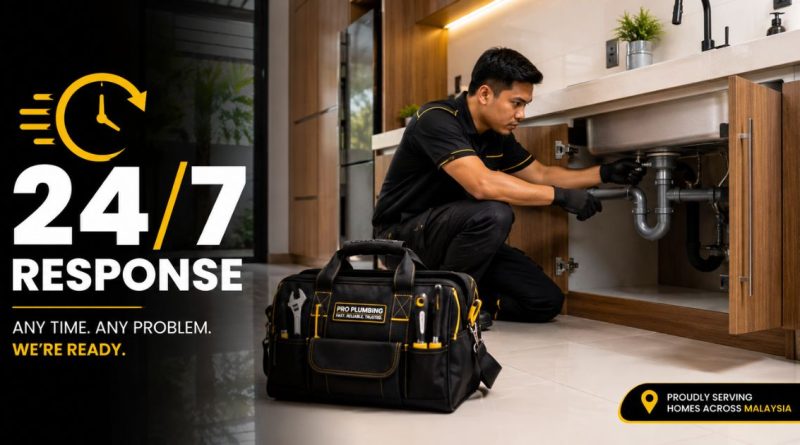
In a Malaysian rental, plumbing emergencies are issues that can quickly damage the unit, affect basic use, or spread to neighbouring units. Burst pipes, sewage backflow, major ceiling leaks, and full water-supply failure need immediate action. Slow drains, dripping taps, loose fittings, and small leaks are usually non-emergency repairs, but they should still be documented and fixed before they become bigger.
The payment split depends on the cause. Ageing pipes and fixed plumbing failures are usually landlord-side. Blockages or damage caused by tenant misuse can be tenant-side. SPEEDFIX helps by routing the report, coordinating the vendor, recording the cause, and keeping the repair proof.
What Counts as a Plumbing Emergency?
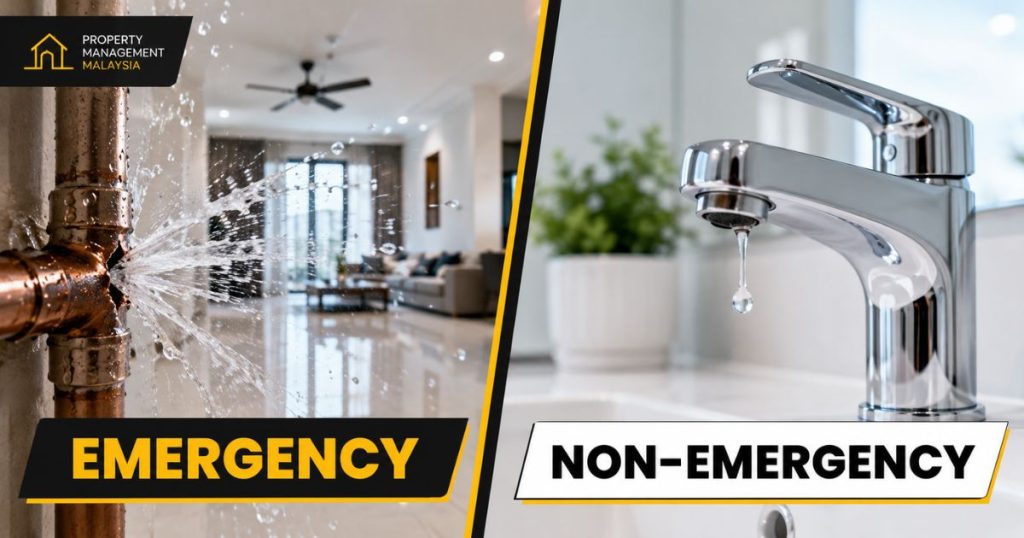
A plumbing issue is an emergency when waiting can cause damage, health risk, or loss of basic use. The landlord and tenant should act first, then settle responsibility after the cause is clear.
| Issue | Emergency? | Why |
|---|---|---|
| Burst pipe | Yes | Water damage spreads fast |
| Sewage backflow | Yes | Health and hygiene risk |
| No water supply in unit | Yes, after building issue ruled out | Basic use affected |
| Ceiling leak from upper unit | Yes | Can damage ceiling and electrical |
| Leaking tap | Usually no | Annoying but containable |
| Slow drain | Usually no | Needs repair but not immediate crisis |
First Steps for Tenants
The tenant should reduce damage and create evidence immediately. Turn off the water supply if possible, move belongings away, take photos and video, message the landlord or SPEEDHOME channel, and report to building management if the leak may involve another unit or common pipes.
Do not wait until the next day if water is actively spreading. A repair that starts as RM200 can become a multi-unit claim if nobody acts.
First Steps for Landlords
The landlord should acknowledge the report quickly and separate emergency control from cost responsibility. The first question is not “who pays?” It is “how do we stop the damage?”
- Ask for photos/video.
- Confirm whether water is still flowing.
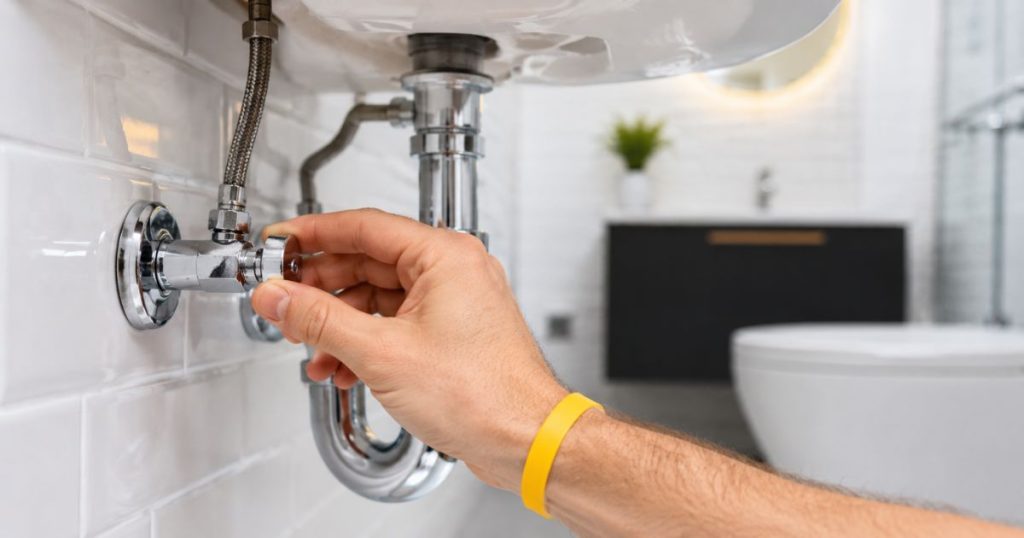
- Tell the tenant where the stop valve is if they do not know.
- Contact building management if needed.
- Dispatch a plumber or use SPEEDFIX.
- Ask the plumber to record the likely cause.
Who Usually Pays?
Cause decides the cost owner. If a pipe fails from age or normal use, the landlord usually pays. If the tenant causes a blockage by flushing foreign objects, pouring grease, or damaging a fitting, the tenant may pay. If the issue comes from common property or another unit, building management or the other owner may be involved.
For the broader responsibility framework, read Who Pays for Repairs in a Malaysian Rental.
Why Contractor Notes Matter
The plumber should not only fix the issue; they should record what caused it. A receipt that says “plumbing repair” is weaker than one that says “cleared kitchen drain blockage caused by grease build-up” or “replaced old valve due to wear”.
That note helps decide whether the cost belongs to the landlord, the tenant, the building management, or another unit. It also protects the landlord if the same problem returns.
What Not to Do
- Do not ignore water leaks.
- Do not argue cost before stopping active damage.
- Do not let an unverified contractor hack walls without approval.
- Do not pay cash without receipt if you need a record.
- Do not blame the tenant before diagnosis.
- Do not forget building management when the pipe may be common property.
How SPEEDFIX Handles Plumbing Emergencies
SPEEDFIX is bundled into SPEEDHOME plans. For plumbing reports, SPEEDFIX helps create the job, coordinate the vendor, clarify the cost before approval where possible, and store the completion record. Each repair is billed per job, but the landlord avoids the coordination spiral.
This matters most in emergencies because the cost of delay can be higher than the repair itself.
Building Management vs Unit Plumbing
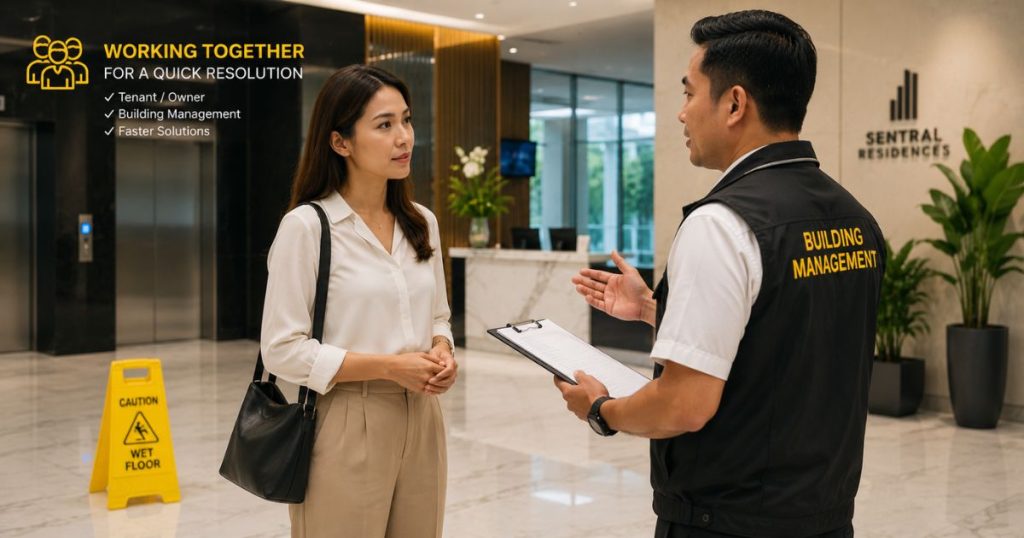
Not every plumbing issue belongs fully to the landlord or tenant. In condos and apartments, some pipes and leaks may involve common property, risers, an upstairs unit, or building management. That is why the tenant should report quickly, and the landlord should involve management when the source is unclear.
A ceiling leak, for example, may come from the unit above. A water-supply issue may come from the building pump or maintenance work. A toilet blockage may be inside the unit, but a recurring stack issue may involve building plumbing. The first plumber’s finding helps decide the next party.
Evidence Checklist for Plumbing Issues
- Photo of the leak source
- Video showing water flow if active
- Time and date of report
- Building management report number, if any
- Plumber diagnosis
- Invoice with scope of work
- Before-and-after photos
This protects the landlord when the tenant caused the issue, and protects the tenant when the problem came from age, structure, or common property.
Related Guides
- SPEEDFIX repair and maintenance hub
- Who pays for rental repairs?
- Common rental repairs and costs
- Handyman without receipt: tax and proof risk
- Repair cost tax deduction Malaysia
FAQ
Is a leaking tap an emergency?
Usually, no, unless the leak is heavy and cannot be controlled. It should still be reported and repaired because small leaks can become bigger.
Who pays for a blocked drain?
It depends on cause. Food waste, grease, hair, or foreign objects may be tenant-side. Old pipes or building drainage issues may be landlord or building-side.
Can a tenant call a plumber directly?
For non-emergency issues, the tenant should get approval first. For urgent active leaks, the tenant should document the emergency, inform the landlord, and keep all receipts.
