

Slow Repairs Tenant Churn Malaysia
Slow repairs cost landlords and tenants because the delay tells the tenant what the next 12 months will feel like. A broken tap, weak aircon, or leaking pipe may start as a small repair. But when nobody responds, the tenant stops seeing it as a repair issue and starts seeing it as a landlord issue. That is when renewal risk begins.
This post is the retention companion to the SPEEDFIX repair and maintenance hub and the 5-day repair SLA guide. The core idea: repair speed is not just maintenance. It is vacancy prevention.
Tenants Do Not Leave Because Something Broke
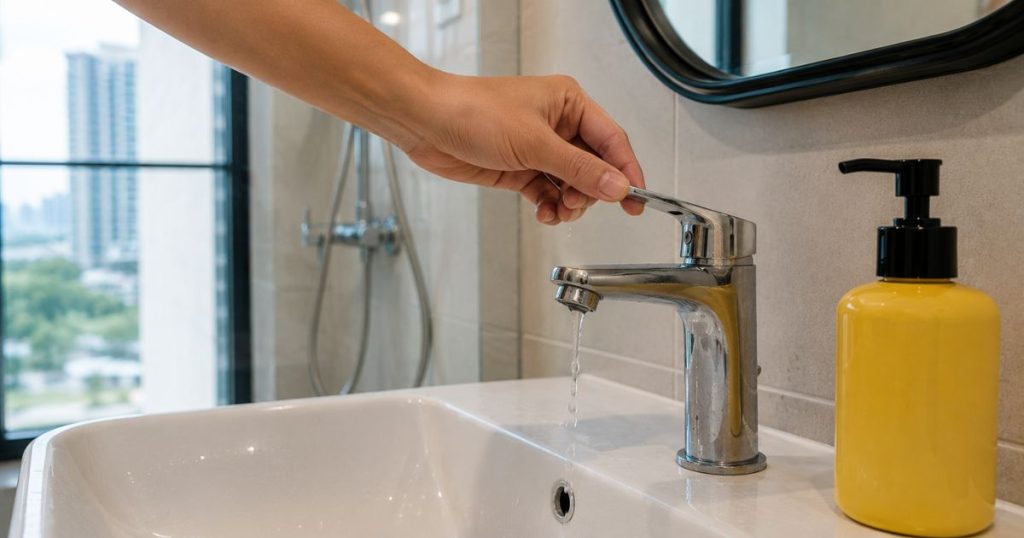
Tenants expect things to break sometimes. They do not expect silence. Most reasonable tenants understand that aircons, taps, locks, and water heaters fail. What changes their attitude is the feeling that nobody is taking ownership.
The repair becomes a signal. Fast response signals that the tenancy is managed. Slow response signals that every future issue will become work for the tenant.
The Delay Timeline
| Timeline | What tenant feels | Landlord risk |
|---|---|---|
| Day 1 | “Something broke, I reported it.” | Low |
| Day 2-3 | “Is anyone handling this?” | Low to medium |
| Day 4-7 | “I need to follow up again.” | Trust drops |
| Week 2 | “This landlord is slow.” | Renewal risk rises |
| Week 3+ | “I should look elsewhere.” | Vacancy risk |
The exact day count changes by issue. A leaking tap can wait longer than a burst pipe. Aircon in a hot unit escalates faster than a loose cabinet hinge. But the pattern is the same: silence creates churn.
The Real Cost Is Vacancy
An RM300 repair can become an RM2,000 vacancy problem. If the tenant leaves, the landlord faces lost rent, cleaning, touch-up, viewing coordination, new agreement work, and the risk of accepting a weaker tenant just to fill the unit quickly.
That is why slow repair response is a yield issue. The contractor bill is visible. Vacancy cost is quieter, but much larger.
Which Repairs Create the Most Churn?
The repairs that affect daily life create the fastest frustration. Aircon, water heater, plumbing, locks, electrical faults, and appliance failures matter more than cosmetic defects because the tenant feels them every day.
- Aircon not cold
- Water heater not working
- Active leaks
- Toilet or drain issues
- Door lock problems
- Electrical switch or socket faults
- Fridge or washing machine failure in furnished units
For repair types and budgeting, read the common rental repairs cost guide.
Communication Is Part of the Repair

A tenant can wait longer when they know what is happening. The worst experience is not always the delay. It is not known whether anyone has called the contractor, whether the landlord approved the quote, or whether the job is stuck.
- Acknowledge the issue.
- Give a realistic next step.
- Tell the tenant when the vendor will contact them.
- Update before they chase.
- Confirm when the job is done.
- Keep the receipt and record.
The Repair Protocol Landlords Need
Self-managing landlords should have a repair protocol before the tenant calls. At minimum: one aircon vendor, one plumber, one electrician, one locksmith, one appliance technician, and a clear rule for when approval is needed.
If you only start searching for contractors after the tenant complains, you are already late.
How SPEEDFIX Reduces Churn Risk
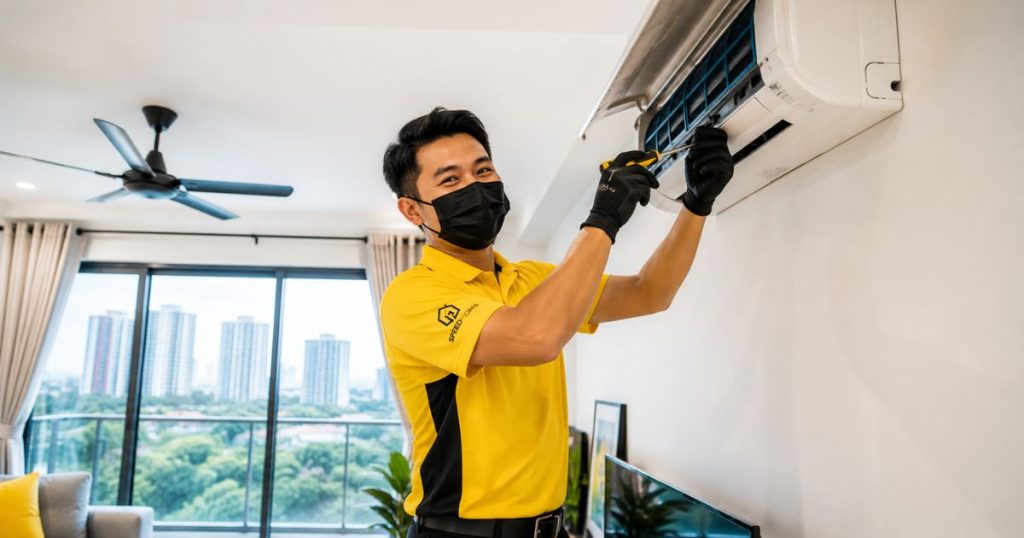
SPEEDFIX gives the repair a workflow: tenant reports, job record opens, vendor is coordinated, quote is shown, landlord approves, work is completed, and receipt is stored. Each repair is still billed per job, but the landlord does not have to build a vendor operation from scratch.
The tenant sees movement. The landlord sees proof. That is the difference between “something broke” and “my landlord ignored me”.
The Renewal Conversation Starts Before Renewal Month
By the time the lease is about to expire, the tenant has already formed an opinion. They remember whether the landlord fixed the aircon quickly, whether a leak was handled properly, whether they had to chase three times, and whether every repair felt like a favour.
If the tenancy felt managed, renewal becomes easier. If the tenant felt ignored, even a small rent increase can push them to browse alternatives. Repair experience quietly sets the tone for the renewal conversation months before it happens.
How to Stop a Repair From Becoming a Relationship Problem
- Reply the same day, even if the fix is not ready.
- Give one clear next step.
- Do not make the tenant coordinate everything.
- Do not disappear while waiting for contractor quotes.
- Share the expected date and update if it changes.
- Confirm the repair after completion.
Small updates are not admin noise. They are trust signals. Most tenants can handle a reasonable wait when they do not feel abandoned.
What to Measure as a Landlord
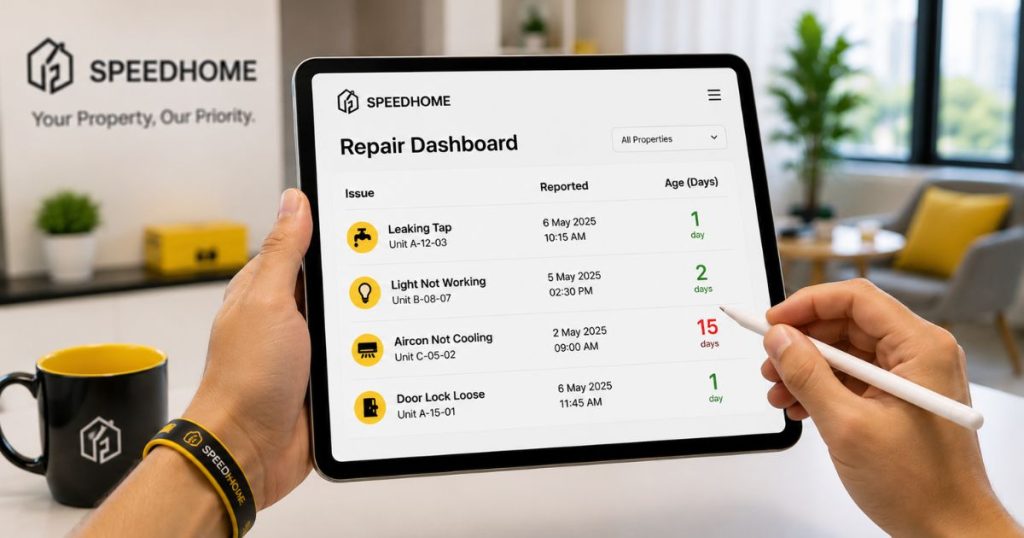
Track repair age, not just repair cost. A cheap repair that stays open for 18 days can hurt the tenancy more than a bigger repair completed quickly. Landlords should know how many open issues exist, how old each issue is, who owns the next step, and whether the tenant has received an update.
That is the operational advantage of a repair workflow. It turns maintenance from memory into a queue. Once repairs are tracked, they are less likely to vanish into chat history until the tenant loses patience.
Related Guides
- SPEEDFIX repair and maintenance hub
- 5-day repair SLA
- Common rental repair costs
- Who pays for rental repairs?
- Aircon servicing in rentals
FAQ
Do slow repairs really make tenants leave?
Yes, especially when the issue affects daily life and the landlord gives no updates. The tenant may tolerate the repair, but not the silence.
What is the fastest repair to prioritise?
Prioritise active leaks, no water, electrical safety, locks, aircon failure, and water heater issues. These affect daily use or safety the fastest.
How does SPEEDFIX help tenant retention?

SPEEDFIX gives repairs a coordinated workflow and record, so tenants see action and landlords do not have to chase multiple contractors manually.
