
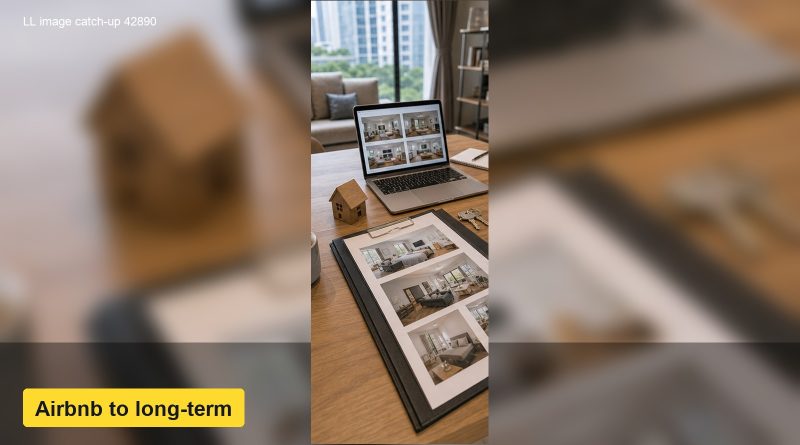
How to Convert Your Airbnb Into a Long-Term Rental
If Airbnb income is becoming uncertain, converting the unit into a long-term rental is often the lower-risk path. The point is not that long-term rental is always more profitable. The point is that it is usually easier to control: clearer tenancy terms, fewer guest turnovers, lower operating work, and less exposure to building short-stay restrictions.
This guide is for landlords who already have, or planned to run, an Airbnb-style unit and now want to reposition it for stable monthly tenancy.
SPEEDHOME Editorial Team · Updated June 2026 · Based on SPEEDHOME landlord operations and Malaysian strata short-stay risk checks.
Start with the rule check, not the furniture
Before you spend money changing the unit, check whether your building allows short-stay at all. In a strata building, JMB/MC house rules, by-laws, access-card controls, guest registration and local authority requirements can decide whether short-stay is viable.
If short-stay is unclear or restricted, do not fight the market with more decor. Convert the unit into a long-term rental product that fits the building and tenant demand.
Short-stay vs long-term: what changes
| Area | Airbnb-style short-stay | Long-term rental |
|---|---|---|
| Income | Variable by occupancy and season | Monthly rent is easier to forecast |
| Workload | Guest messages, cleaning, check-in, reviews | Tenant screening, handover, periodic checks |
| Wear and tear | High turnover and guest misuse risk | Lower turnover if tenant is stable |
| Rules | More exposed to JMB/MC and local short-stay rules | Usually fits normal residential tenancy better |
| Evidence | Many small bookings and guest issues | TA, inventory, meter reading and payment ledger |
Step 1: clear the short-stay operating position
Close open bookings properly, settle platform obligations, confirm cleaning and access-card return, and keep a final condition record. If the unit was managed by an operator, collect keys, inventory, guest rules, smart-lock access, utility bills and any outstanding maintenance notes.
Do not leave old smart-lock codes, guest WiFi details or access-card processes active after conversion.
Step 2: reset the unit for actual tenants
Short-stay furnishing is designed for photos and quick guest use. Long-term tenants care more about storage, working appliances, stable internet options, parking, water pressure, safety and practical maintenance.
- Remove fragile decor that will not survive daily living.
- Keep essential furniture that supports family or professional tenants.
- Repair aircon, water heater, locks, taps and electrical points before listing.
- Prepare a proper inventory list with photos.
- Decide whether utilities stay under landlord or tenant name.
Step 3: price from local long-term comps
Do not price long-term rent by multiplying Airbnb nightly rate. Compare active long-term listings in the same building and nearby buildings. Adjust for floor level, parking, furnishing, view, commute, management quality and recent vacancy.
Use a conservative vacancy assumption. A rent that looks slightly lower but fills quickly can beat a higher asking rent that stays empty for months.
Step 4: rewrite the tenancy terms
Your old guest rules are not a tenancy agreement. Long-term rental needs clear terms on rent due date, deposit handling, utilities, maintenance reporting, tenant-caused damage, subletting, access, renewal and handover condition.
If short-stay or subletting is not allowed, say it clearly in the TA. If the building has rules about guests, renovation, pets or move-in procedures, attach or reference those rules.
Step 5: handle utilities before handover
Take meter readings on handover day. Decide whether TNB should be under the tenant’s name through Change of Tenancy or remain under the landlord with reimbursement clauses. Keep the setup consistent with the tenancy agreement.
For landlords, the worst utility position is ambiguity: account in one person’s name, payment duty in another person’s mind, and no meter photo.
Step 6: screen for stability, not just speed
Short-stay rewards occupancy. Long-term rental rewards tenant quality. Check affordability, employment, move-in timeline, number of occupants, intended use, and whether the tenant understands building rules.
A fast tenant who later sublets, misuses utilities or ignores house rules can cost more than a short vacancy.
How SPEEDHOME helps with the conversion
SPEEDHOME’s long-term rental workflow focuses on making the unit rent-ready, screening tenants, documenting handover, setting clear TA terms and keeping evidence for later disputes. That is why many landlords convert from short-stay to long-term when they want less daily operation and more predictable monthly income.
Related landlord guides
- Can your condo JMB ban Airbnb?
- Sewa jangka pendek vs jangka panjang
- Who pays the maintenance fee?
- Prevent unpaid utility bills
FAQ
Should every Airbnb landlord convert to long-term rental?
No. Convert when rules, workload, occupancy or net yield make short-stay unattractive. If short-stay is clearly allowed and net return is strong, it may still work.
Can I keep the same furniture?
Some furniture can stay, but remove fragile decor and fix practical items tenants use daily.
Can I ban the tenant from subletting or Airbnb?
You can put clear restrictions in the tenancy agreement, but enforcement should be through proper notice and evidence, not self-help lockouts or utility disruption.